Skip to content

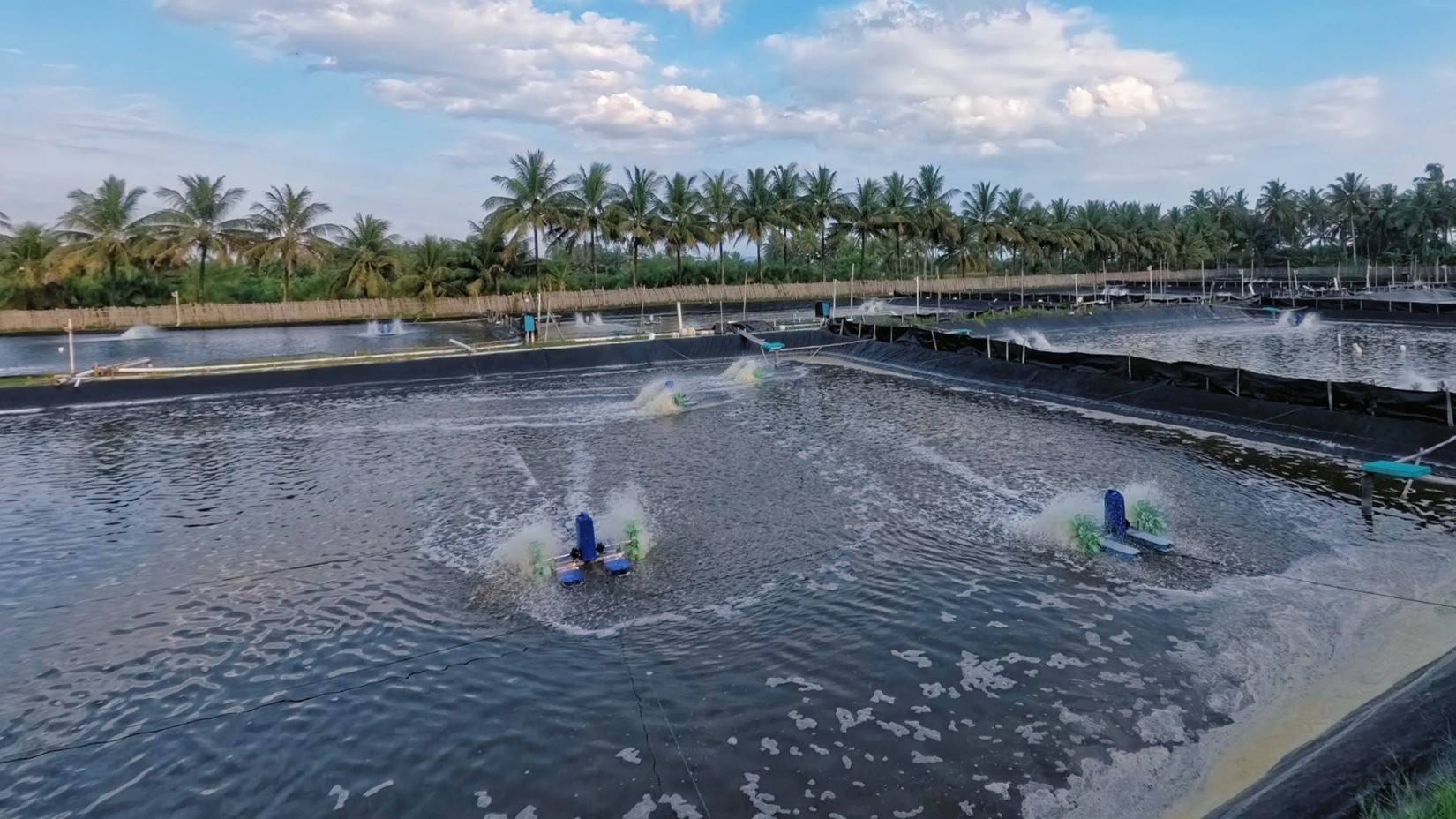
Advanced wastewater treatment systems installation is usually where the conversation lands when standard aeration systems start struggling with high-strength wastewater.
At that point, engineers are typically choosing between two proven approaches: membrane bioreactors (MBR) and extended aeration systems.
Both work. Both are widely used. But they perform very differently depending on the type of wastewater, space constraints, and discharge requirements.
Let’s break it down the way engineers actually compare them.
- What makes high-strength wastewater harder to treat
- How extended aeration systems work in practice
- Where MBR systems change the game
- Space constraints often decide the winner
- Effluent quality: not even close
- Cost comparison isn’t as simple as it looks
- Operational complexity matters more than expected
- Reliability under changing conditions
- So which one performs better?
- Why advanced wastewater treatment systems installation keeps coming up
- FAQs
What makes high-strength wastewater harder to treat
Before comparing technologies, it helps to understand the problem. High-strength wastewater isn’t just “more dirty.” It behaves differently.
You’re dealing with:
- High organic loading (BOD/COD)
- Variable flow rates
- Grease, solids, or industrial byproducts
- Shock loads that can overwhelm systems
Standard treatment methods can struggle to keep up, especially when consistency matters.
That’s why system selection becomes critical, and why many projects turn to a high strength wastewater treatment company early in the design phase.
How extended aeration systems work in practice
Extended aeration is one of the most established biological treatment methods. It uses a long aeration process where microorganisms break down organic material over time.
The advantages are straightforward:
- Proven and reliable
- Lower upfront cost
- Simpler operation compared to advanced systems
This is why many traditional aerobic treatment units are based on extended aeration principles. But there’s a tradeoff.
These systems require:
- Larger tank volumes
- Longer retention times
- More space overall
And when wastewater strength increases, performance can become inconsistent without careful management.
Where MBR systems change the game
Membrane bioreactors take biological treatment and add a filtration layer. After aeration, wastewater passes through membranes that physically separate solids from treated water.
This creates a much higher-quality effluent.
Key advantages:
- Smaller footprint
- Consistent effluent quality
- Better handling of variable loads
- Higher removal efficiency
For facilities with strict discharge limits, or limited space, MBR systems often become the preferred option. They’re commonly used in aerobic treatment ATU units where performance needs to stay consistent even under fluctuating conditions.
Space constraints often decide the winner
In real projects, space is often the deciding factor. Extended aeration systems need room. Large tanks. Longer flow paths. MBR systems are compact.
If you’re working with:
- Urban developments
- Tight commercial sites
- Retrofit projects
MBR systems usually make more sense.
This is especially true for multi-family wastewater treatment system company projects, where land use efficiency matters just as much as treatment performance.
Effluent quality: not even close
If discharge requirements are strict, the comparison becomes simple.
MBR systems produce:
- Lower suspended solids
- Lower pathogen levels
- Higher clarity effluent
Extended aeration systems can meet many standards, but not all. When regulations tighten, extended aeration may require additional polishing steps. MBR systems often meet those standards directly.
That’s one reason they’re frequently used in small municipal wastewater treatment system company applications where compliance is non-negotiable.
Cost comparison isn’t as simple as it looks
At first glance, extended aeration systems are cheaper. Lower equipment cost. Simpler setup. But that’s only part of the story.
MBR systems:
- Cost more upfront
- Require membrane maintenance
- Use more energy in some cases
Extended aeration systems:
- Require more space
- May need additional treatment stages
- Can become less efficient under high loads
Over time, the gap narrows. In some cases, MBR systems end up being more cost-effective, especially when space savings and compliance costs are factored in.
Operational complexity matters more than expected
Extended aeration systems are generally easier to operate. They’re forgiving. They’ve been around for decades. Operators are familiar with them.
MBR systems require:
- More monitoring
- Membrane maintenance
- Higher technical oversight
That doesn’t mean they’re difficult, it just means they require a different level of attention. For some facilities, that’s not an issue. For others, it’s a deciding factor.
Reliability under changing conditions
High-strength wastewater rarely stays consistent. Flows spike. Loads change. Conditions shift. Extended aeration systems can handle variation, but performance may fluctuate. MBR systems tend to be more stable under changing conditions because of the membrane separation step.
That consistency is one reason they’re often selected for aerobic treatment ATU unit applications where reliability matters more than simplicity.
So which one performs better?
It depends on what “better” means for your project.
Extended aeration is better when:
- Budget is limited
- Space is available
- Wastewater strength is moderate
- Simplicity is a priority
MBR is better when:
- Space is limited
- Effluent standards are strict
- Wastewater strength is high or variable
- Long-term performance matters more than upfront cost
There’s no universal winner. Just the right fit for the situation.
Why advanced wastewater treatment systems installation keeps coming up
As discharge requirements tighten and land becomes more valuable, more projects are moving toward higher-performance systems. That’s where advanced wastewater treatment systems installation becomes part of the conversation.
It’s not about choosing the most complex system, it’s about choosing one that performs consistently under real-world conditions. For high-strength wastewater, that often means looking beyond traditional approaches.
FAQs
Is MBR always better than extended aeration?
Not always. MBR performs better in many scenarios, especially with high-strength wastewater, but extended aeration is still a strong option when space and discharge limits are less restrictive.
Which system costs more to operate?
It depends. MBR systems can have higher energy and maintenance costs, but extended aeration systems may require additional treatment steps that increase overall expenses.
Can extended aeration handle high-strength wastewater?
Sometimes it can, especially with proper design. But performance from advanced wastewater treatment systems installation can become less consistent compared to systems designed specifically for higher loads.
Dealing with Wastewater? Let’s Keep It Simple. You can phone us at 800-753-3278 or get in touch with us here.

If you’re tired of systems that break down, cost a fortune, or just don’t make sense, we hear you.
At BioMicrobics, we build treatment systems that work the way they should. No fluff, no confusing setup.
Simply clean water.
We can help you find out what works best for your house, small company, or even your whole town.