Skip to content

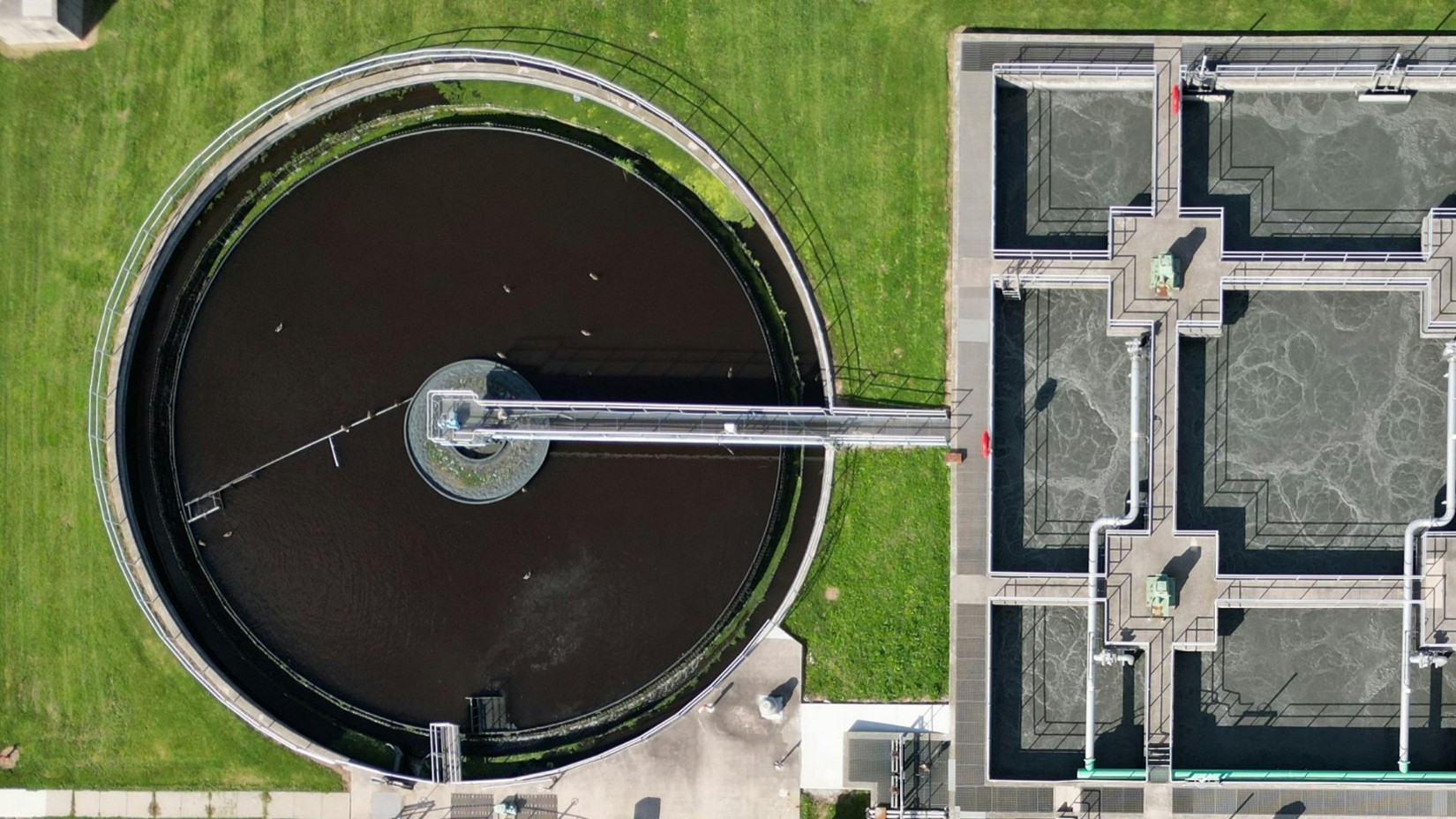
Advanced wastewater treatment systems installation is usually where cost conversations get more serious, because once you move beyond basic systems, the pricing starts reflecting real engineering complexity.
Most articles online give broad ranges. They’ll say things like “$100,000 to $1 million,” which doesn’t help much if you’re actually trying to budget a project.
So instead of guessing, let’s walk through how engineers actually calculate the cost of a commercial wastewater treatment system, and where those numbers really come from.
- It always starts with flow, and it sets the ceiling
- Wastewater strength quietly drives cost up
- Equipment is only part of the price
- Real cost ranges (what engineers actually see)
- Specialized industries change the equation
- Operating costs matter more than people expect
- Installation timeline can quietly inflate budgets
- Centralized sewer vs onsite treatment
- Why advanced wastewater treatment systems installation changes cost planning
- How engineers actually approach budgeting
- FAQs
It always starts with flow, and it sets the ceiling
Before anything else, engineers need to know how much wastewater is being produced daily.
That number drives everything.
- Small commercial sites: 1,000–5,000 gallons/day
- Mid-sized operations: 10,000–50,000 gallons/day
- Large commercial or industrial: 100,000+ gallons/day
As flow increases, system requirements expand fast. Tanks get bigger. Aeration demand increases. Redundancy becomes necessary.
That’s why cost doesn’t scale evenly. A system twice as large might cost significantly more than double due to added infrastructure and safeguards.
This is where working with a commercial wastewater treatment system company early can prevent oversizing, or worse, undersizing.
Wastewater strength quietly drives cost up
Flow tells you how much water you’re treating. Strength tells you how hard it is to treat. And this is where budgets often shift.
High-strength wastewater includes:
- Elevated organic loads (BOD/COD)
- Oils and grease
- Suspended solids
- Chemicals or cleaning agents
A simple office building produces relatively mild wastewater. A food processor or brewery does not. Designing for those conditions requires more advanced treatment stages, longer processing time, and higher energy input.
That’s why projects involving a high strength wastewater treatment company tend to cost more, but also avoid system failure down the line.
Equipment is only part of the price
A common misconception is that the system itself is the main cost. It’s not.
In many projects, costs break down like this:
- Equipment: 40–50%
- Installation: 50–60%
Installation includes excavation, piping, electrical work, and site prep. And this is where things get unpredictable.
If your site has:
- Rocky soil
- High groundwater
- Limited equipment access
Costs can climb quickly. Two identical systems on different sites can end up with completely different final price tags.
Real cost ranges (what engineers actually see)
Let’s put realistic numbers to it, with context.
Small commercial systems (1,000–5,000 GPD):
$80,000–$250,000 installed
Mid-size systems (10,000–50,000 GPD):
$250,000–$1.2 million
Large systems (100,000+ GPD):
$1 million to several million
These numbers include design, equipment, installation, and startup, not just the unit itself. A qualified wastewater treatment system company will refine this after reviewing site and wastewater data.
Specialized industries change the equation
Not all commercial systems are created equal. Some industries bring unique challenges that increase cost, but also require smarter design.
For example:
- A restaurant wastewater treatment company must handle grease-heavy waste and peak-hour surges
- A winery wastewater treatment system company deals with seasonal spikes and variable loads
These systems aren’t just scaled versions of standard designs. They’re engineered for fluctuation, which adds complexity, and cost.
Operating costs matter more than people expect
Upfront cost gets the most attention. But long-term cost is where decisions really pay off, or don’t.
Ongoing expenses include:
- Electricity (especially for aeration systems)
- Routine inspections and servicing
- Sludge removal
- Replacement parts over time
Some systems are cheaper to install but expensive to operate. Others cost more upfront but run efficiently for years. That balance should always be part of the decision.
Installation timeline can quietly inflate budgets
Time impacts cost more than most people expect.
Delays increase:
- Labor costs
- Equipment rental time
- Project coordination expenses
Factors that slow projects down:
- Permitting approvals
- Weather conditions
- Site complications
Pre-engineered systems often install faster, which helps control costs. Custom-built systems offer flexibility, but usually require more time and coordination.
Centralized sewer vs onsite treatment
One of the biggest cost decisions isn’t the system itself, it’s whether you need one at all.
If municipal sewer access is nearby, connection might be an option. But that comes with:
- Tap fees
- Capacity limitations
- Ongoing usage costs
If sewer access is far away, extending it can cost more than building a treatment system. That’s where advanced wastewater treatment systems installation becomes the practical alternative. Treating wastewater onsite eliminates transport costs and gives you control over capacity and performance.
Why advanced wastewater treatment systems installation changes cost planning
Here’s where things shift. Basic systems handle simple wastewater. But when discharge requirements are stricter, or wastewater is more complex, you need higher-level treatment.
That’s exactly what advanced wastewater treatment systems installation is designed for.
These systems:
- Produce higher-quality effluent
- Meet tighter environmental regulations
- Handle variable loads more effectively
Yes, they cost more upfront. But they often prevent expensive retrofits later. And in many regulated environments, they’re not optional, they’re required.
How engineers actually approach budgeting
Engineers don’t start with a number. They start with constraints.
- What are the discharge limits?
- How consistent is the wastewater flow?
- What space is available?
- What’s the long-term growth plan?
Only after those answers are clear does cost estimation become accurate. Trying to budget without that information usually leads to underestimating the true investment.
FAQs
What’s the average cost of a commercial wastewater treatment system?
It depends heavily on size and wastewater type. Smaller systems may stay under $250,000, while larger or more complex systems can easily exceed $1 million.
Is advanced wastewater treatment always necessary?
Not always. It depends on discharge requirements and wastewater strength. But when regulations are strict, advanced systems are often required.
Can costs be reduced without sacrificing performance?
Sometimes. Choosing the right system design, minimizing installation challenges, and planning for long-term efficiency can all help control overall costs.
Dealing with Wastewater? Let’s Keep It Simple. You can phone us at 800-753-3278 or get in touch with us here.

If you’re tired of systems that break down, cost a fortune, or just don’t make sense, we hear you.
At BioMicrobics, we build treatment systems that work the way they should. No fluff, no confusing setup.
Simply clean water.
We can help you find out what works best for your house, small company, or even your whole town.