Skip to content

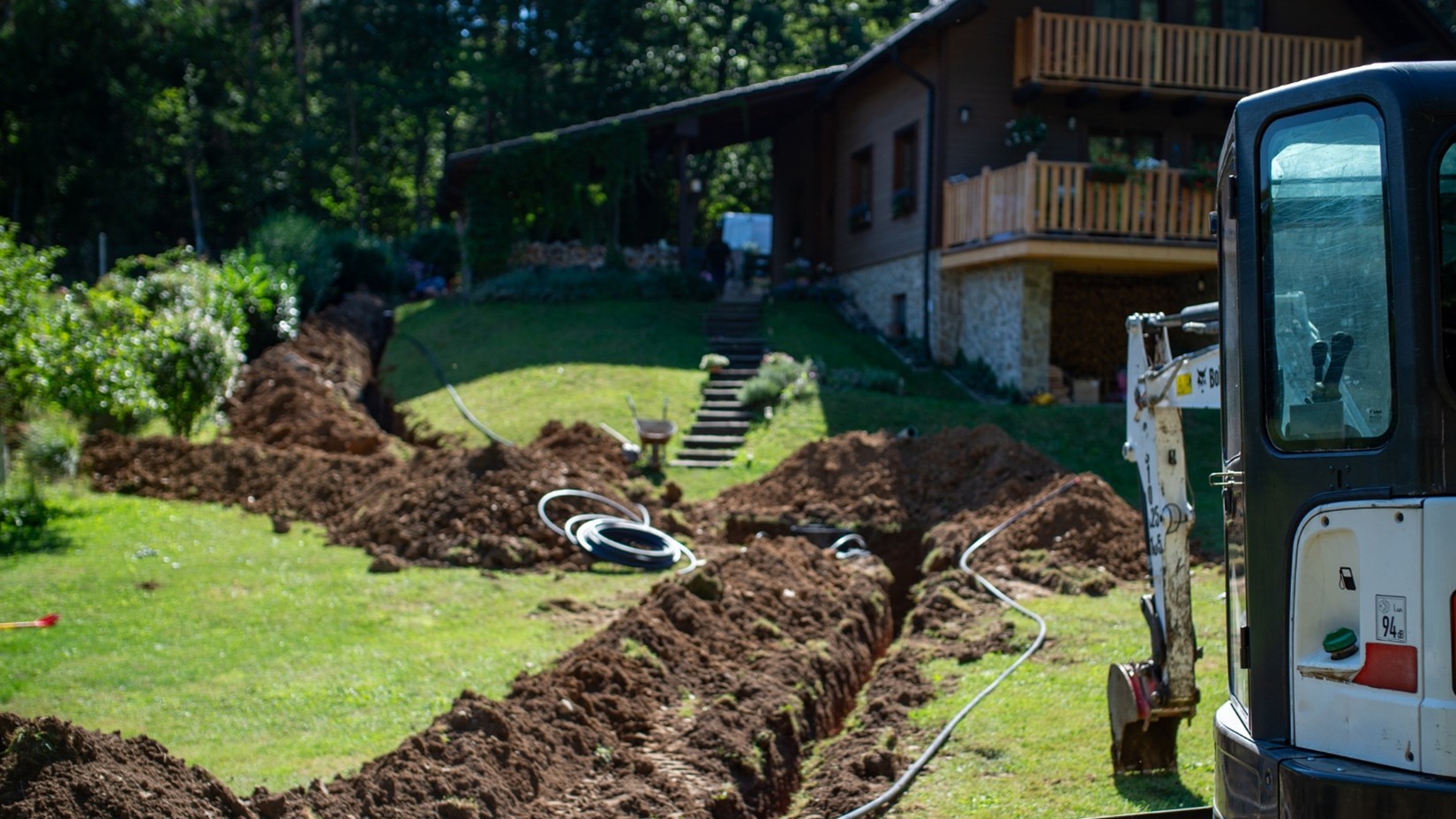
Onsite wastewater treatment systems installation is usually where the conversation starts when a community realizes sewer expansion isn’t as simple, or as affordable, as it sounds.
Most towns don’t question centralized sewer systems at first. It feels like the “normal” solution. Run pipes, connect homes, send everything to one plant. Done.
But once engineers start mapping distances, elevation changes, soil conditions, and long-term maintenance, the numbers shift quickly. That’s where decentralized systems start to look less like a backup plan and more like the smarter investment.
Let’s break it down in real terms.
- The real cost behind sewer expansion
- What decentralized systems actually change
- Upfront cost vs long-term reality
- Where decentralized systems clearly win
- When sewer expansion still makes sense
- The maintenance factor most people overlook
- The role of modern treatment technology
- So which is more cost effective?
- Why onsite wastewater treatment systems installation keeps coming up
- FAQs
The real cost behind sewer expansion
Municipal sewer expansion is expensive in ways that don’t always show up in early estimates.
The obvious costs are trenching, piping, lift stations, and building or expanding a treatment plant. But the hidden costs are what tend to push projects over budget.
You’re dealing with:
- Long pipe runs across uneven terrain
- Easements and land acquisition
- Pump stations that require ongoing power and maintenance
- Future upgrades as population grows
Even in smaller towns, extending sewer lines can cost thousands per linear foot. Multiply that by miles, and suddenly you’re looking at multi-million dollar infrastructure before a single home connects.
That’s why many communities start exploring alternatives like a decentralized wastewater treatment systems company. Not because they want to avoid investment, but because they want to control it.
What decentralized systems actually change
Decentralized wastewater treatment flips the model.
Instead of one massive plant, you install smaller systems closer to where wastewater is generated. These systems treat water onsite or within a localized cluster.
That shift changes everything.
You reduce:
- The need for long-distance piping
- Pumping requirements
- Energy consumption tied to transport
- Risk of system-wide failure
More importantly, you build flexibility into the system. Communities can grow in phases instead of committing to oversized infrastructure upfront.
A well-designed community wastewater treatment systems company approach allows towns to scale treatment capacity alongside development. That alone can dramatically improve cost efficiency over time.
Upfront cost vs long-term reality
At first glance, centralized systems sometimes look more cost-effective on paper. One plant. One system. One investment.
But that’s rarely the full picture.
Decentralized systems often have:
- Lower initial capital costs for smaller developments
- Faster installation timelines
- Reduced permitting complexity in certain regions
More importantly, they avoid the “all-in” financial burden.
Instead of committing tens of millions upfront, communities can phase investment. Build what’s needed now. Expand later.
That approach aligns much better with real population growth, not projected growth that may or may not happen.
Where decentralized systems clearly win
There are specific scenarios where decentralized systems consistently outperform sewer expansion.
- Rural or spread-out communities
Long pipe runs kill budgets. Decentralized systems eliminate that issue almost entirely. - New developments outside city limits
Instead of waiting years for sewer access, developers can move forward with localized treatment solutions. - Areas with difficult terrain
Rock, elevation changes, or wetlands can make trenching extremely expensive. Decentralized systems work around those constraints. - Budget-limited municipalities
Not every town has access to large-scale funding. Phased systems reduce financial pressure.
In these cases, working with a restaurant wastewater treatment company or similar specialized provider for specific zones can further optimize performance and cost.
When sewer expansion still makes sense
To be fair, centralized sewer systems aren’t outdated, they’re just not always the best fit.
They still make sense in:
- Dense urban environments
- Areas with existing infrastructure nearby
- Regions with strong funding and long-term population certainty
If the pipes are already there, expanding them can be more efficient than starting from scratch. But when infrastructure doesn’t exist yet, the cost comparison changes quickly.
The maintenance factor most people overlook
Maintenance is where the long-term economics become clear.
Centralized systems rely heavily on:
- Pump stations
- Electrical systems
- Continuous monitoring
- Large-scale plant operations
If one part fails, it can impact thousands of users.
Decentralized systems distribute that risk. Smaller units mean smaller problems. And in many cases, maintenance can be handled locally without shutting down an entire network.
For high-demand applications, working with a high-strength industrial wastewater treatment services provider ensures systems are designed to handle more complex waste streams without overloading infrastructure.
The role of modern treatment technology
One reason decentralized systems are gaining traction now, compared to 20 years ago, is technology.
Modern systems are:
- Compact
- Highly efficient
- Capable of producing high-quality effluent
- Easier to monitor remotely
This isn’t the old model of basic septic systems. These are engineered solutions designed for reliability and compliance.
In fact, many fall under what’s considered advanced wastewater treatment systems installation, capable of meeting strict environmental standards even in sensitive areas.
So which is more cost effective?
The honest answer: it depends on the community, but decentralized systems are often more cost-effective in more situations than people expect.
If you’re dealing with:
- Expansion into new areas
- Limited budgets
- Challenging geography
- Uncertain growth timelines
Decentralized systems with onsite wastewater treatment systems installation usually come out ahead.
They reduce upfront risk. They scale better. And they avoid locking communities into infrastructure that may not match future needs. That’s why more engineers are starting with decentralized options first, not as a backup, but as the baseline.
Why onsite wastewater treatment systems installation keeps coming up
Here’s the thing. Most cost discussions eventually circle back to one question: Can we treat wastewater closer to where it’s produced?
That’s exactly what onsite wastewater treatment systems installation addresses. It removes distance, and distance is one of the biggest cost drivers in any wastewater project.
When you eliminate miles of pipe, you eliminate a huge portion of both capital and maintenance expenses. That’s why it’s no longer a niche solution. It’s becoming the starting point for modern wastewater planning.
FAQs
Is decentralized wastewater treatment cheaper than sewer expansion?
It often is, especially in rural or developing areas. The savings usually come from reduced piping, less excavation, and the ability to build in phases instead of all at once.
How long do decentralized systems last?
With proper maintenance, they can last decades. Many systems are designed with modular components, so parts can be upgraded without replacing the entire system.
Do decentralized systems meet environmental regulations?
Yes, when properly designed. Modern systems, especially those used in advanced installations, are built to meet strict discharge standards and are widely approved by regulatory agencies.
Dealing with Wastewater? Let’s Keep It Simple. You can phone us at 800-753-3278 or get in touch with us here.

If you’re tired of systems that break down, cost a fortune, or just don’t make sense, we hear you.
At BioMicrobics, we build treatment systems that work the way they should. No fluff, no confusing setup.
Simply clean water.
We can help you find out what works best for your house, small company, or even your whole town.