Skip to content

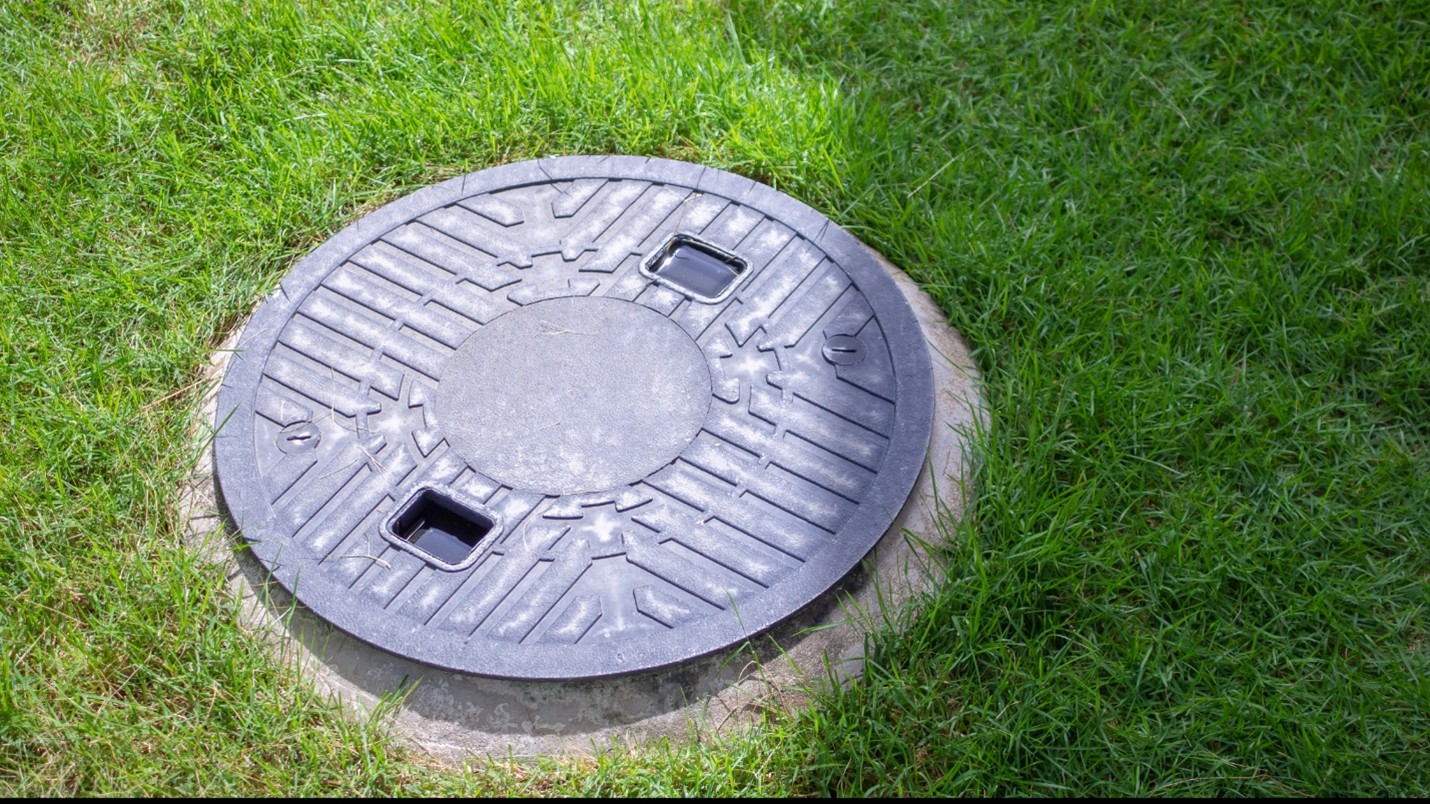
Wastewater systems have changed, and the people using them have changed as well. They want reliability and easier management of the system. That shift is one of the main reasons the aerobic treatment unit has become more common in residential and small-scale wastewater applications.
We’ve seen this trend firsthand. More people are asking better questions about how their systems work and how to reduce future problems before they start.
- Why Are Aerobic Systems Getting More Attention?
- What Is an Aerobic Treatment Unit and How Does It Work?
- Why Do Aerobic Treatment Units Perform Better on Difficult Sites?
- What Are the Practical Benefits Homeowners Notice?
- How Do These Systems Fit Into Modern Septic Services?
- Are ATU Units Harder to Maintain?
- How Do Aerobic Systems Support Long-Term Planning?
- What About Communities and Shared Systems?
- Common Questions We Hear About Aerobic Systems
Why Are Aerobic Systems Getting More Attention?
Traditional septic systems rely heavily on soil to complete the treatment process. When conditions are ideal, that can work. But many properties don’t have ideal soil, space, or usage patterns anymore.
Growth changes things. Homes get larger. Water use increases. Drainfields carry more stress than they were designed for. That’s when alternatives start to make sense.
An aerobic treatment unit introduces oxygen into the treatment process, allowing beneficial bacteria to break down waste more efficiently. That extra treatment step can reduce strain on the drainfield and improve overall system performance.
What Is an Aerobic Treatment Unit and How Does It Work?
An aerobic system treats wastewater using oxygen-loving bacteria. Air is introduced into the treatment chamber, creating an environment where those bacteria can thrive.
The result is wastewater that’s treated to a higher level before it reaches the soil. That cleaner effluent is easier for drainfields to absorb, especially on sites with limited space or challenging soil conditions.
We often explain it this way. Instead of asking the soil to do most of the work, the system handles more of the treatment up front.
Why Do Aerobic Treatment Units Perform Better on Difficult Sites?
Not every property is a perfect fit for a conventional septic system. High water tables, compacted soils, and smaller lots all make treatment more challenging.
This is where aerobic treatment units stand out. By improving treatment before dispersal, they help protect the drainfield and reduce the risk of saturation or surface water.
In our experience, these systems perform especially well on properties that have struggled with recurring septic issues or slow drainfield recovery.
What Are the Practical Benefits Homeowners Notice?
Most people don’t want to think about their wastewater system. They just want it to work.
Some of the benefits homeowners often notice include:
- More consistent system performance
- Reduced stress on the drainfield
- Fewer unexpected issues
- Better long-term reliability
- Clear maintenance expectations
That reliability is a big reason an aerobic treatment unit is becoming a popular choice for new installations and system upgrades.
How Do These Systems Fit Into Modern Septic Services?
Aerobic systems aren’t a one-size-fits-all solution, but they’ve become an important part of modern aerobic septic system services. They’re often used where traditional systems are no longer practical or where regulations require higher treatment levels.
We also work with properties that already have advanced treatment and need targeted septic system drainfield leach repair or drainfield repair. In many cases, improving treatment upstream helps stabilize existing infrastructure and reduce future damage.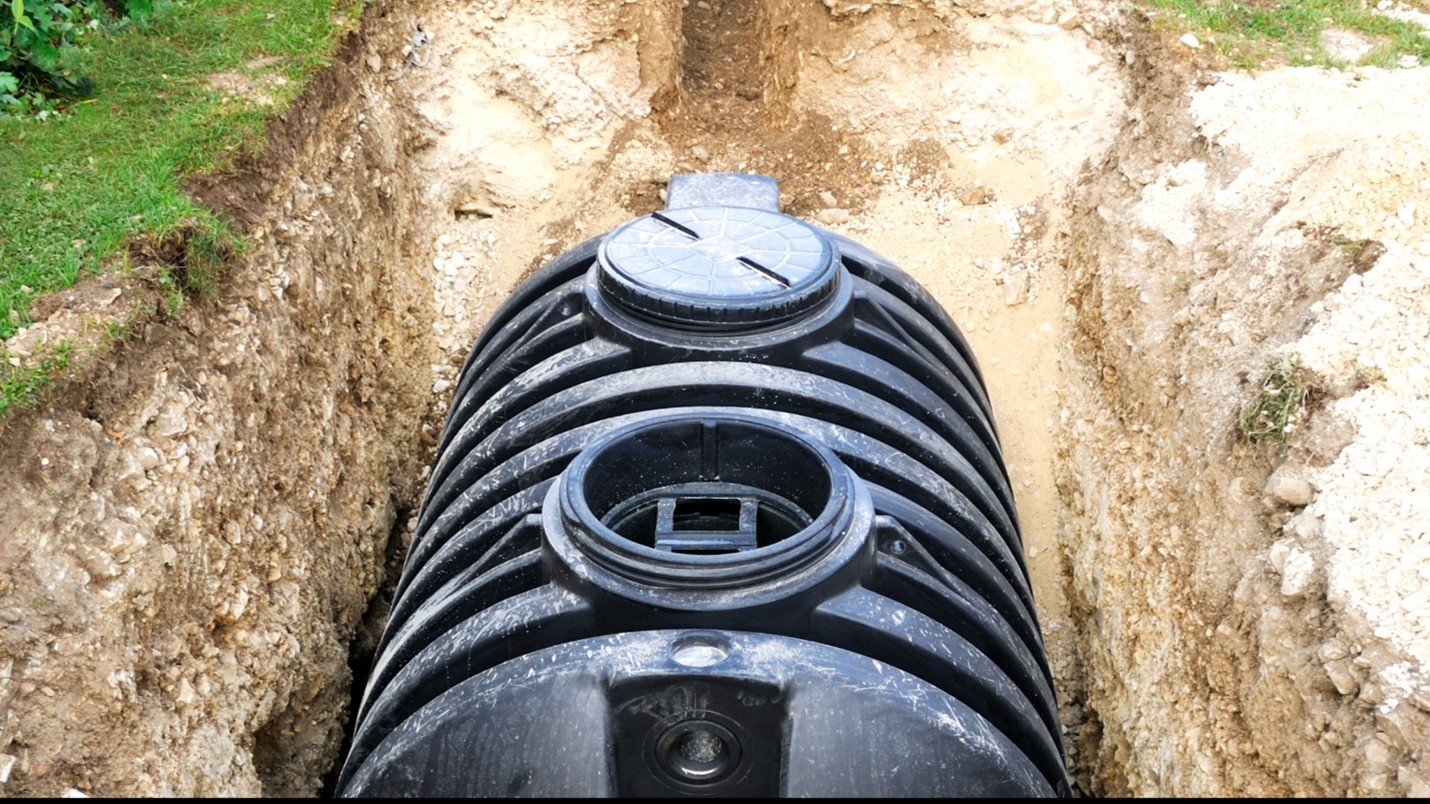
Are ATU Units Harder to Maintain?
Maintenance is one of the first questions we hear. The idea of adding air and mechanical components can sound intimidating at first.
In reality, ATU units are designed with routine service in mind. With proper maintenance, they can operate consistently and predictably. Clear service schedules help prevent surprises and keep systems running as intended.
We design systems, so owners know what to expect and when to expect it.
How Do Aerobic Systems Support Long-Term Planning?
One of the biggest advantages of aerobic treatment is flexibility. These systems can adapt better as usage changes over time.
For growing households, renovations, or properties with future plans, an aerobic treatment unit offers breathing room. It treats wastewater more efficiently without relying entirely on the soil to absorb increasing loads.
That adaptability is a big reason we see more interest in aerobic treatment ATU units during planning and upgrade conversations.
What About Communities and Shared Systems?
Aerobic treatment isn’t limited to single-family homes. Shared systems and clustered developments also benefit from higher treatment levels.
In those settings, an aerobic treatment ATU unit helps manage variable usage and higher daily flows. Consistent treatment becomes critical when multiple users rely on the same system.
Better treatment upfront helps reduce conflicts, maintenance issues, and long-term costs.
Common Questions We Hear About Aerobic Systems
Are aerobic systems only used when septic systems fail?
No. Many people choose them proactively for better performance and long-term reliability.
Do aerobic systems replace the need for a drainfield?
No. They support the drainfield by improving treatment before wastewater reaches the soil.
Are these systems approved by regulators?
Many aerobic systems meet higher treatment standards and are accepted in areas with stricter requirements.
Final Thoughts
The growing popularity of aerobic systems isn’t a trend. It’s a response to real-world wastewater challenges.
An aerobic treatment unit offers better treatment, more flexibility, and greater peace of mind for many properties. When designed and maintained properly, these systems help protect drainfields and support long-term wastewater management.
At BioMicrobics, we’re focused on driving the world into a better place through better water. If you’re interested in how to create better wastewater treatment or have any questions about our services, let us contact you.
Dealing with Wastewater? Let’s Keep It Simple. You can call us at 800-753-3278 or get in touch with us here.
.

.
If you’re tired of systems that break down, cost a fortune, or just don’t make sense—we hear you.
At BioMicrobics, we build treatment systems that work the way they should. No fluff, no confusing setup.
We can help you find out what works best for your house, small company, or even your whole town.