Skip to content

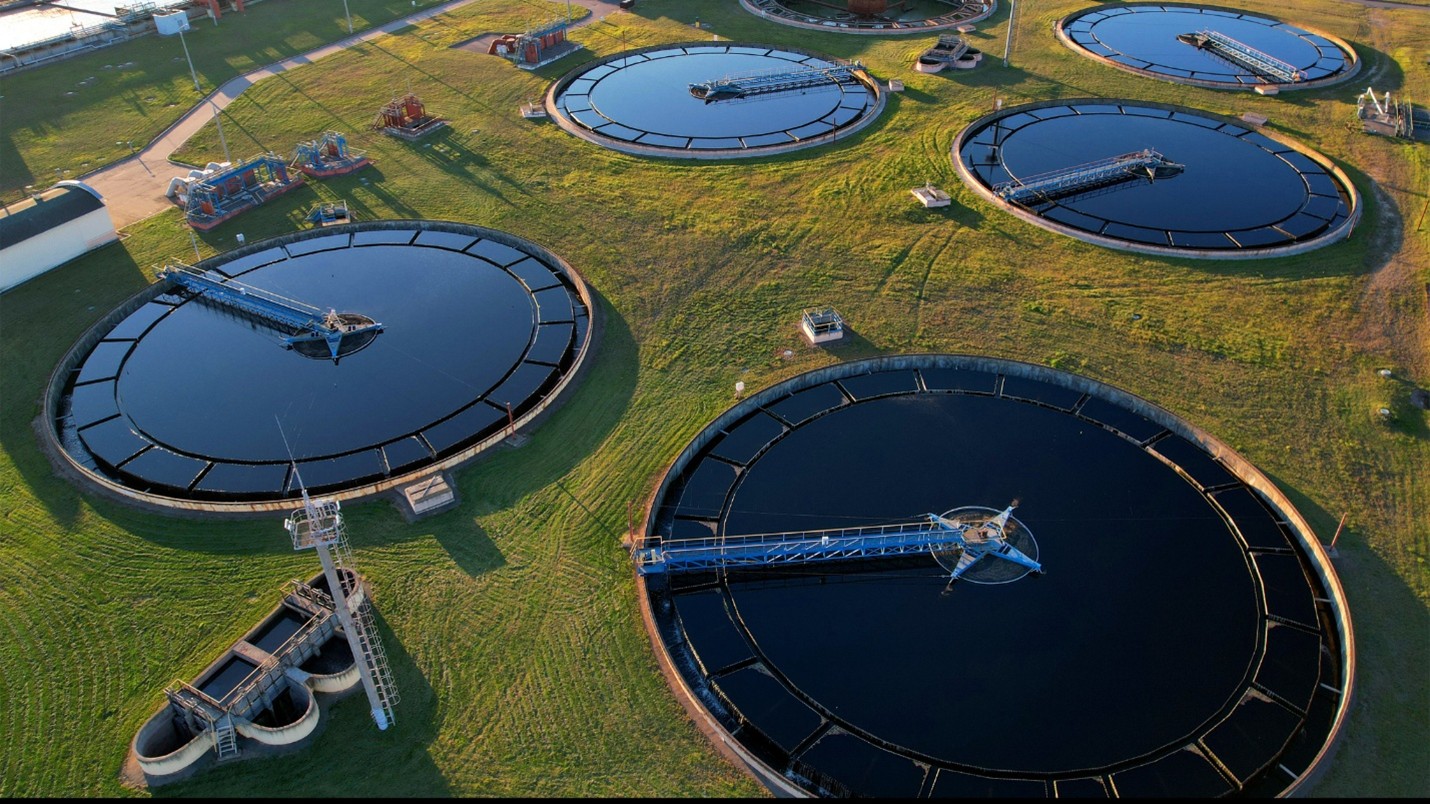
Wastewater systems don’t usually get attention until something starts to feel off. A slow drain. A saturated yard. An inspection that doesn’t go as planned. This moment is a general realization. Letting the issues pile up only increases the cost of fixing them. A properly planned onsite wastewater treatment systems installation can help prevent that spiral and create long-term stability.
We’ve worked with people who planned ahead and those who waited until problems forced action. The difference is almost always stress, cost, and how much control they had over the outcome.
- Why Are So Many Wastewater Systems Being Re-Evaluated Right Now?
- What Has Changed in Wastewater Treatment Over the Years?
- Is Growth a Sign That It’s Time to Upgrade?
- Why Are Decentralized Systems Getting More Attention?
- What About Commercial and Industrial Wastewater Needs?
- How Do Drainfields Factor Into the Decision?
- What Makes Timing So Important?
- How Do We Help People Decide When to Move Forward?
- Common Questions We Hear
- Final Thoughts
Why Are So Many Wastewater Systems Being Re-Evaluated Right Now?
A lot of existing systems were designed years ago. Smaller households. Lower water use. Different regulations. Over time, those assumptions stop matching reality.
We see it often. Properties change hands. Communities grow. Businesses expand. Water use increases quietly until systems start showing strain. When that happens, repairs become more frequent and less effective.
This is why many property owners are choosing to act before failure. Investing in a modern onsite wastewater treatment systems installation gives them time to plan instead of react.
What Has Changed in Wastewater Treatment Over the Years?
Treatment technology has come a long way. Older systems rely heavily on soil to finish the job. Newer systems focus on treating wastewater before it reaches the ground.
A well-designed advanced wastewater treatment systems installation improves consistency and protects drainfields from overload. That upstream treatment step often reduces maintenance issues and extends system life.
We design systems that use proven biological processes. They’re built to perform even when conditions aren’t ideal. In our experience, better treatment early leads to fewer surprises later.
Is Growth a Sign That It’s Time to Upgrade?
Growth doesn’t always feel urgent. One more home. One more business. One more building phase. Over time, those additions add pressure.
As a community wastewater treatment systems company, we often help towns and developments that reached a tipping point without realizing it. Systems that once worked quietly start struggling during peak periods. Drainfields stop recovering. Regulatory attention increases.
Planning an upgrade before capacity is exceeded gives communities more flexibility and fewer constraints.
Why Are Decentralized Systems Getting More Attention?
Centralized sewer solutions aren’t always practical. Distance. Cost. Terrain. Timing. These factors push many properties and communities toward decentralized options.
As a decentralized wastewater treatment systems company, we’ve seen how treating wastewater closer to where it’s generated can reduce infrastructure demands and simplify future expansion. Decentralized systems also allow projects to move forward in phases instead of waiting for large, centralized upgrades.
This approach often aligns better with real-world development patterns.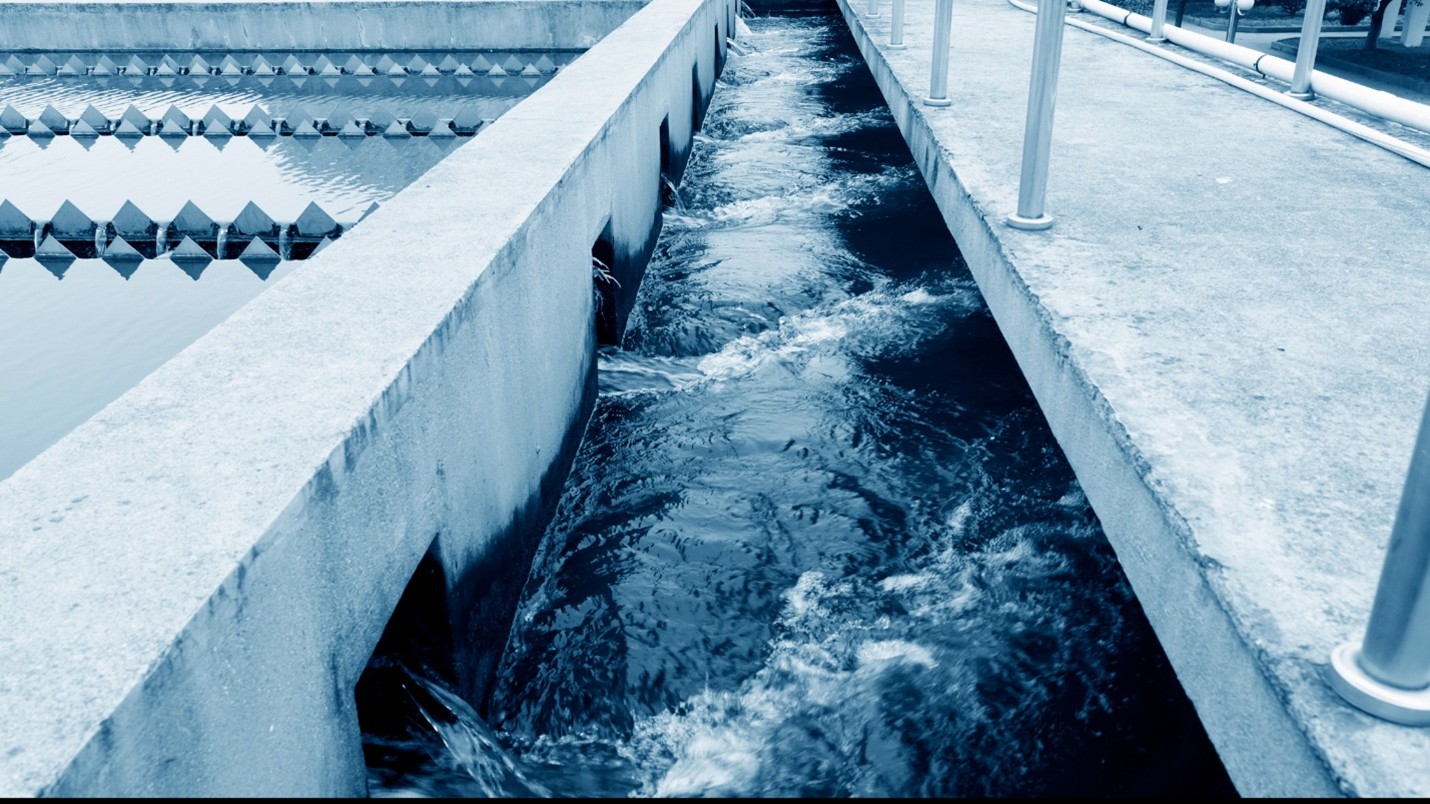
What About Commercial and Industrial Wastewater Needs?
Residential systems get most of the attention, but commercial and industrial wastewater introduces different challenges.
As a commercial wastewater treatment systems company, we work with businesses that generate higher flows and stronger wastewater. Restaurants, offices, and mixed-use properties place very different demands on treatment systems than homes.
Some facilities also require high-strength industrial wastewater treatment services to manage heavier organic loads safely. Planning for these needs early helps avoid system overload and unexpected downtime.
How Do Drainfields Factor Into the Decision?
Drainfields are often where problems show up first. Wet areas. Reduced absorption. Repeat repairs. These signs usually point back to treatment quality.
We bring hands-on experience in septic system drainfield leach repair and drainfield repair. In many cases, the drainfield isn’t the root problem. It’s reacting to wastewater that wasn’t treated well enough before reaching the soil.
Improving treatment upstream can help protect existing drainfields and reduce the need for repeated repairs. That’s a key reason many owners choose to invest now instead of waiting.
What Makes Timing So Important?
Waiting limits options. When systems fail, decisions get rushed. Budgets get tight. Solutions become reactive instead of strategic.
Investing earlier allows for:
- Better system sizing
- More site flexibility
- Fewer emergency repairs
- Clearer maintenance planning
- Long-term cost control
A proactive onsite wastewater treatment systems installation puts property owners and communities back in control.
How Do We Help People Decide When to Move Forward?
We start with listening. How is the property used today? How might that change? What issues have already shown up?
From there, we walk through realistic options. Not every site needs the same solution. That’s why thoughtful planning matters.
As a community wastewater treatment systems company, we apply the same careful approach across different project sizes. The goal is always long-term performance, not short-term fixes.
Common Questions We Hear
How do I know if now is the right time?
If your system is aging, repairs are increasing, or usage is growing, it’s worth having the conversation.
Does upgrading always mean higher maintenance?
Not necessarily. Many modern systems are designed for steady performance with predictable service needs.
Can advanced treatment reduce future costs?
In many cases, yes. Better treatment often leads to fewer failures and longer system life.
Final Thoughts
Wastewater systems don’t fail all at once. They give signals over time. Paying attention to those signals can make all the difference.
A well-planned onsite wastewater treatment systems installation offers stability, flexibility, and peace of mind. Whether you’re managing a home, a business, or a growing community, acting before problems escalate keeps options open.
At BioMicrobics, we’re focused on driving the world into a better place through better water. If you’re interested in how to create better wastewater treatment or have any questions about our services, let us contact you.
Dealing with Wastewater? Let’s Keep It Simple. You can call us at 800-753-3278 or get in touch with us here.
.

.
If you’re tired of systems that break down, cost a fortune, or just don’t make sense—we hear you.
At BioMicrobics, we build treatment systems that work the way they should. No fluff, no confusing setup.
We can help you find out what works best for your house, small company, or even your whole town.