Skip to content

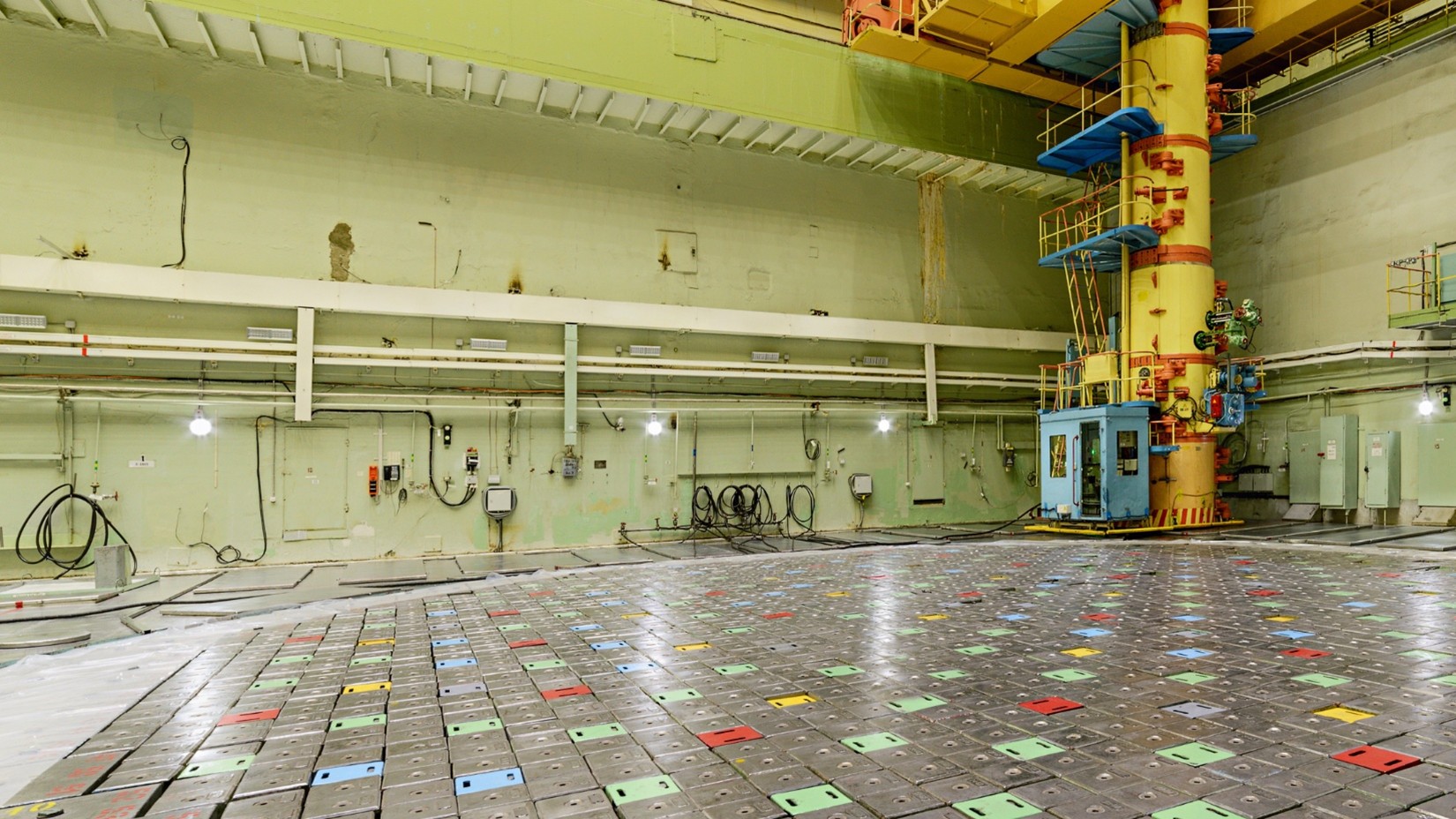
As a restaurant wastewater treatment company, our team at BioMicrobics knows that planning begins with a basic fact: a commercial kitchen does not discharge the same wastewater at the same rate all day. Morning preparation, lunch rushes, cleaning cycles, and weekend traffic create sharp changes in flow. Fats, oils, grease, food particles, detergents, and high organic loads add another layer of difficulty. A system sized only from average water use may struggle during peak periods or when kitchen practices change. The right design starts with actual operations, representative wastewater characteristics, local discharge requirements, and a realistic plan for pretreatment, maintenance, monitoring, and future growth.
Start with the menu and kitchen routine
The type of food being prepared affects wastewater. A coffee shop, bakery, brewery taproom, full-service restaurant, and high-volume commissary can have very different waste streams even when their daily water totals look similar. Frying, dishwashing, food preparation, and floor cleaning each contribute different loads.
Designers need to understand operating hours, seating, meal peaks, employee count, cleaning schedules, and expected expansion. Seasonal restaurants and event venues may sit quietly for days before a sudden surge. Those patterns should be discussed instead of averaged away. A commercial wastewater treatment system company can use this operational picture to identify what sampling, pretreatment, equalization, and treatment capacity may be needed. Accurate information at this stage is more useful than an optimistic estimate.
What a restaurant wastewater treatment company evaluates
Flow is only one design input. Wastewater strength, temperature, pH, solids, grease, cleaning chemicals, and variability may all matter. The required information depends on the site, receiving method, and local authority. Existing facilities may benefit from representative sampling rather than relying entirely on generalized values.
The treatment goal matters too. Discharge to a subsurface system, surface discharge where permitted, reuse, or connection to another collection system can involve different standards and equipment. Local permits and approvals should guide the plan from the beginning. Site constraints belong in the same conversation. Available area, soil, groundwater, access, odor sensitivity, electrical service, and the location of wells or property boundaries can influence what is practical.
Grease management is part of the system
Grease interceptors and kitchen practices help keep fats, oils, grease, and food solids from overwhelming downstream treatment. They are not set-and-forget equipment. Sizing, access, cleaning frequency, records, and employee habits all affect performance. Scraping plates and keeping fryer oil out of drains may sound obvious, yet daily consistency makes a difference. A kitchen that changes vendors, menu, or cleaning products should review whether those changes affect wastewater characteristics.
An experienced high strength wastewater treatment company should discuss the relationship between pretreatment and biological treatment. Sending every load directly to one tank without source control can create avoidable operational problems.
Peak flow can matter more than the average
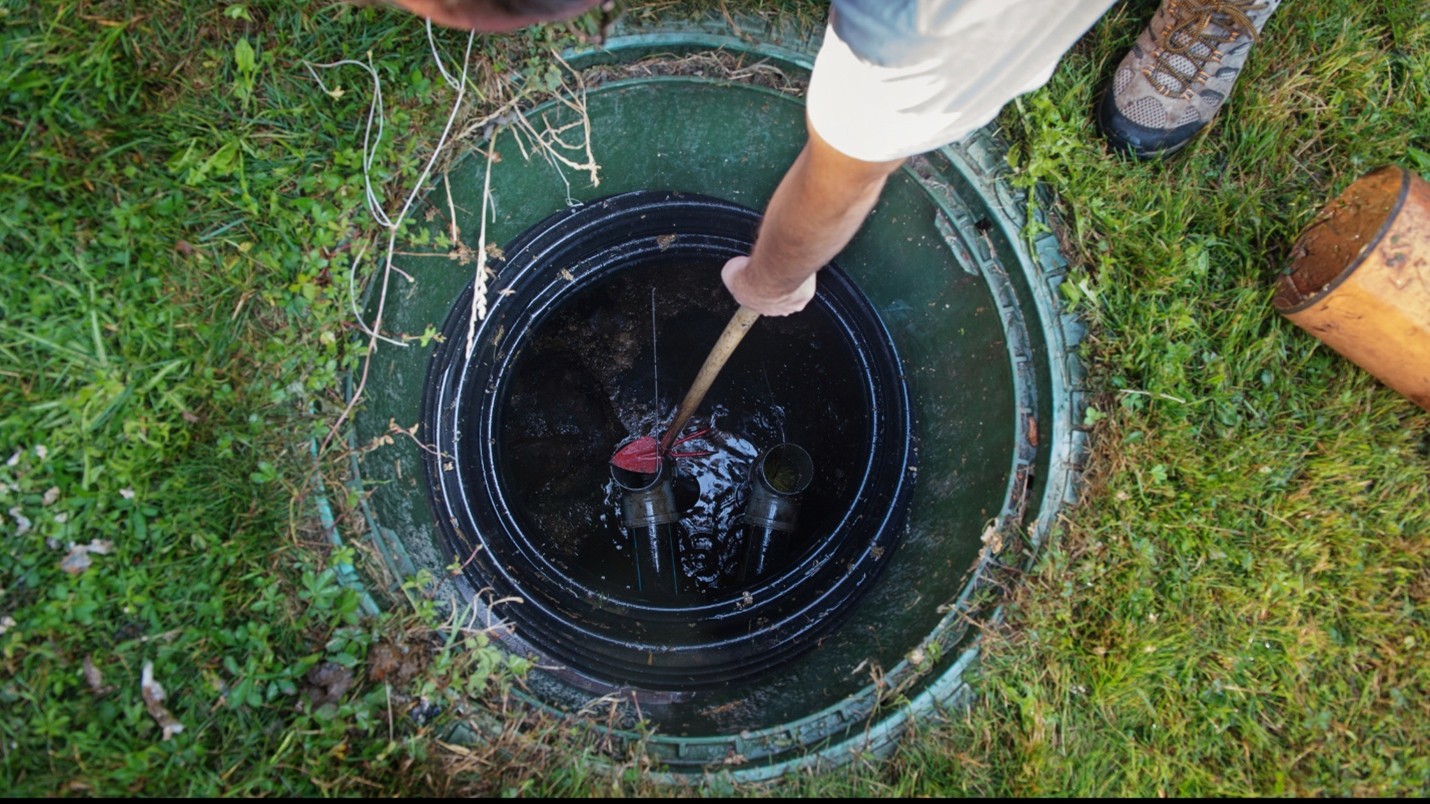
A restaurant may use a predictable amount of water over twenty-four hours while sending much of it during a narrow window. Dishwashing after a rush, floor cleaning, and closing procedures can arrive together. Equalization or dosing strategies may help smooth those loads, depending on the system design. A restaurant wastewater treatment company should ask what happens on the busiest realistic day, not only what appears on a monthly utility bill. Renovations can change that answer. Adding a bar, expanding dishwashing capacity, switching to reusable service ware, or bringing food preparation in-house may alter both flow and strength. Owners should share planned operational changes early so tanks, controls, and treatment stages can be evaluated before equipment is ordered.
Wastewater generation also continues outside guest hours. Prep crews, cleaners, and deliveries may create loads before opening or after closing. Those quieter periods belong in the daily profile. Equipment should also account for days when business is unusually busy and periods when it is slow. Biological processes respond to the wastewater they receive. Long shutdowns, sudden reopening, or dramatic load changes may require operating guidance. Working with a wastewater treatment system company should include a review of both current and projected demand. Designing for a future dining room that may never be built wastes money, but ignoring a planned expansion can force premature upgrades.
Operations staff need a workable routine
Even a well-designed system depends on inspection, pumping, cleaning, recordkeeping, and timely response to alarms. Responsibilities should be assigned to named roles rather than left to “someone on the maintenance team.” Staff turnover makes written procedures important. Professional advanced wastewater treatment systems installation should include commissioning and clear operating information. Owners need to know which tasks belong to kitchen staff, facility staff, service providers, and licensed professionals.
Alarm response is especially important. Silencing an alarm without finding the cause can turn a manageable problem into a shutdown. Keep service contacts, component information, permits, sampling results, and maintenance records where managers can find them.
Plan around approvals and business continuity
Wastewater projects can involve designers, installers, regulators, laboratories, service providers, and the property owner. Establish who is responsible for applications, calculations, drawings, inspections, sampling, and final approval. Requirements vary by location and discharge method.
For a property outside a sewer service area, a commercial non-sewer wastewater treatment company can help frame system options around the site. The final design still needs to satisfy the authority with jurisdiction and the specific operating conditions. A dependable restaurant wastewater treatment company does not treat the kitchen as a generic commercial building. It asks what enters the drains, when it arrives, how the business may change, and who will keep the system operating after opening day.
FAQs
Why is restaurant wastewater considered high strength?
Food residue, fats, oils, grease, detergents, and concentrated organic material can create higher loads than typical domestic wastewater. Actual strength varies by menu, operations, water use, and pretreatment, so site-specific information may be needed.
Can a grease interceptor replace wastewater treatment?
No. A grease interceptor is a pretreatment component that captures certain materials before they move downstream. It requires routine service and does not perform every function of a complete treatment system.
What records should a restaurant wastewater treatment company request?
Useful records may include water use, seating, hours, menu, cleaning practices, grease service, sampling data, permits, maintenance history, and expansion plans. The exact list depends on whether the project is new, existing, or being upgraded.
Dealing with Wastewater? Let’s Keep It Simple. You can phone us at 800-753-3278 or get in touch with us here.

If you’re tired of systems that break down, cost a fortune, or just don’t make sense, we hear you.
At BioMicrobics, we build treatment systems that work the way they should. No fluff, no confusing setup.
Simply clean water.
We can help you find out what works best for your house, small company, or even your whole town.