Skip to content

Coastal Community in need of a more Modern Wastewater Upgrade

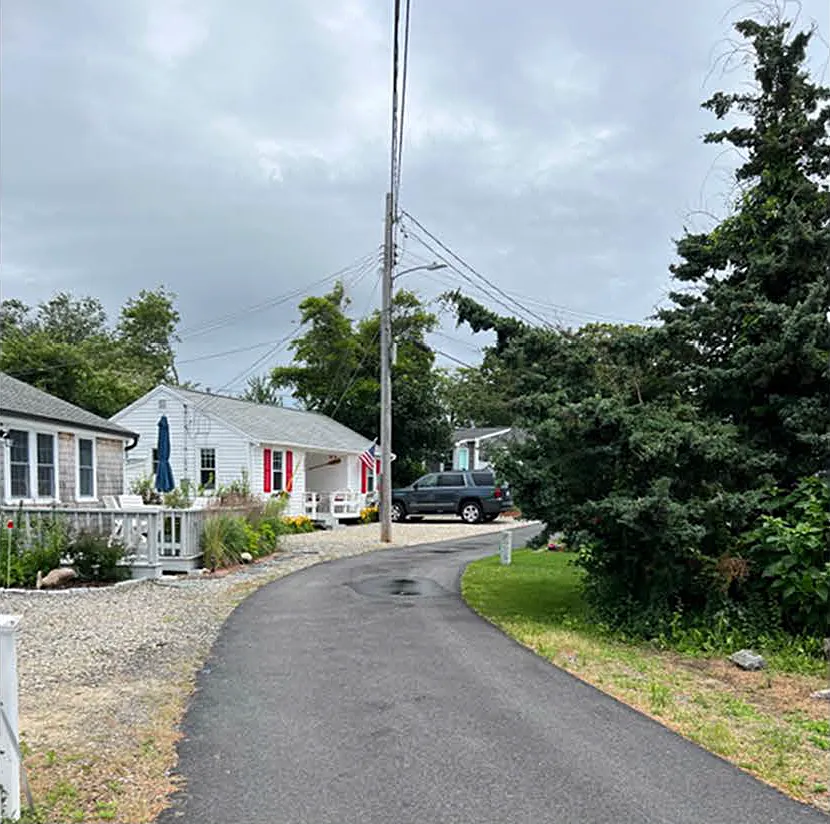
400 bedrooms, located along Cape Cod, are in Dennisport, MA. The closely spaced cottages were constructed during a period when wastewater regulations were significantly less stringent than today’s standards.
For many years, the development operated under regulatory provisions that allowed the existing wastewater infrastructure to remain in service. However, as environmental regulations evolved and property ownership transitioned, the community was required to demonstrate compliance with modern
wastewater treatment standards. The existing systems could no longer meet permitting requirements, creating a need for a new comprehensive wastewater upgrade that would satisfy both local environmental and state regulations.
Design Challenges
The design needed to achieve advanced treatment performance, including compliance with stringent Total Nitrogen discharge limits, while fitting within the physical constraints of the existing development and minimizing site disturbance. The available footprint also made a conventional centralized treatment facility impractical, driving the need for a distributed, flexible treatment strategy.
Key Design Constraints
- Historic cottage layout with closely spaced structures and limited available land.
- Location within a nitrogen-sensitive coastal watershed on Cape Cod.
- Requirement to meet advanced treatment and Total Nitrogen discharge limits .
- Need to minimize disturbance to the existing community and infrastructure.
- Insufficient footprint for a practical centralized treatment facility.
- Need for a distributed solution that could be scaled and sited around existing cottages and disposal areas.


Engineering a Solution
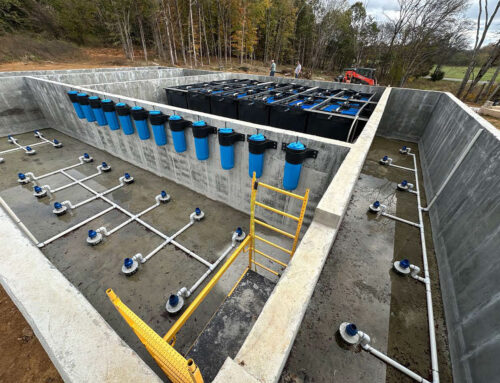
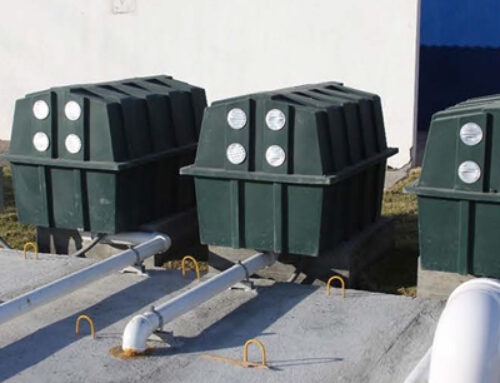
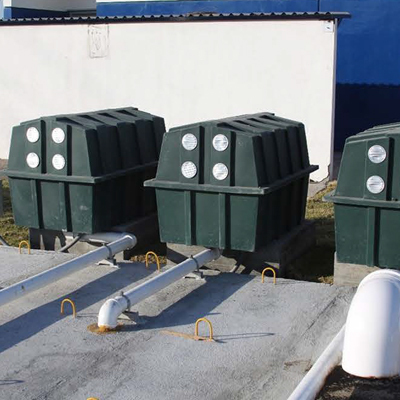
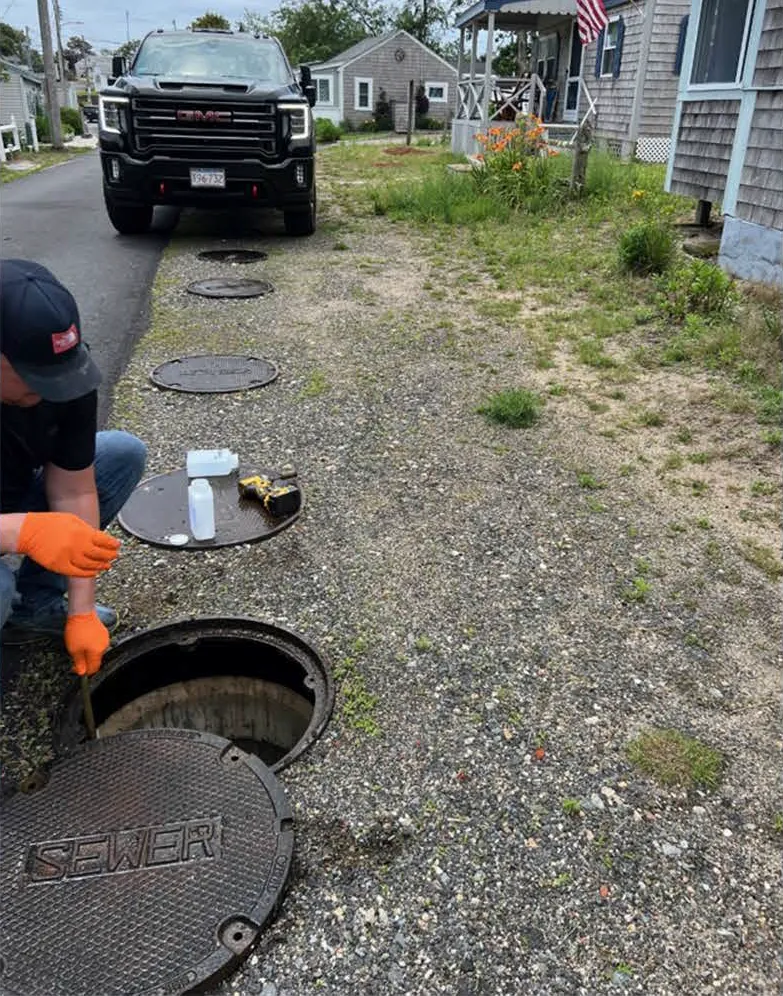
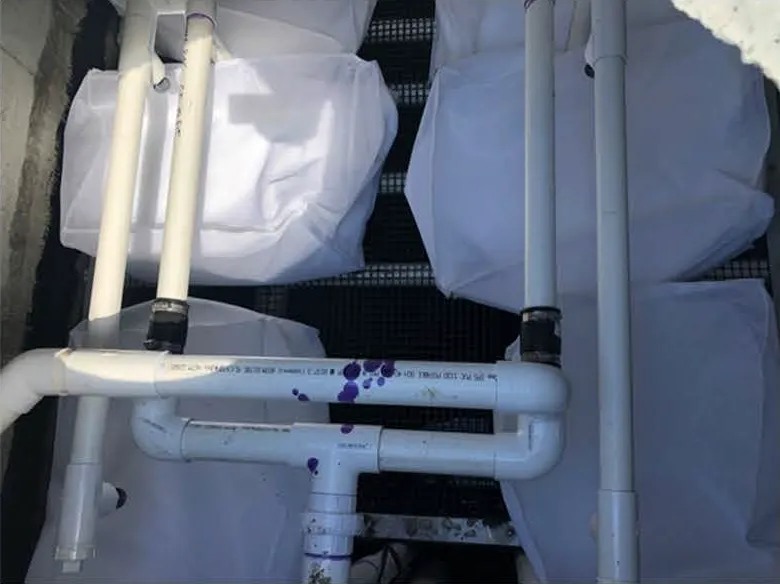
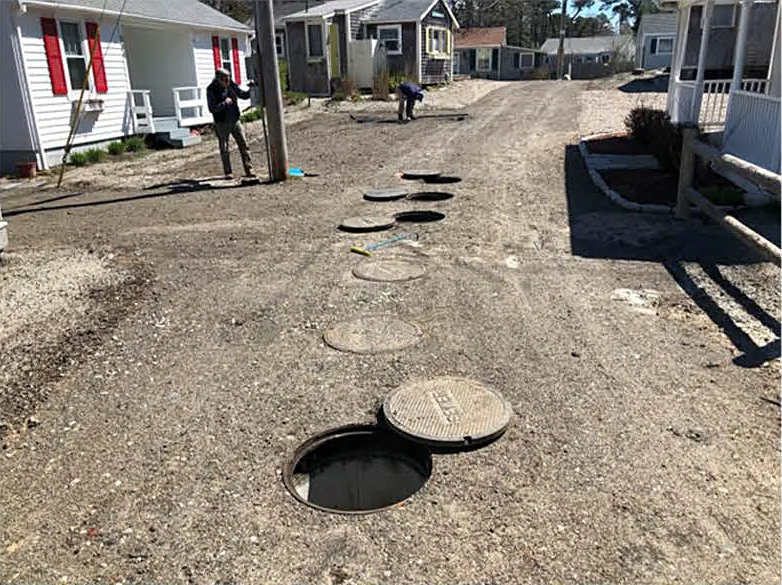
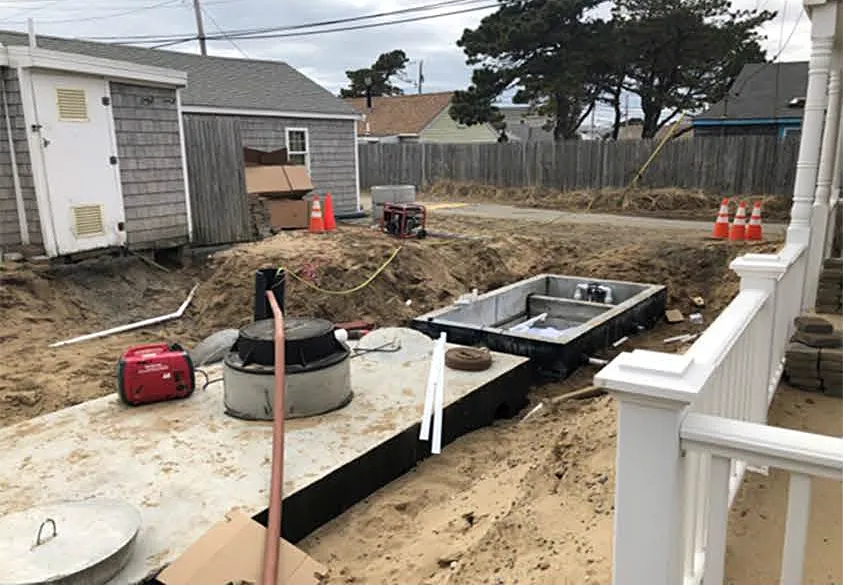
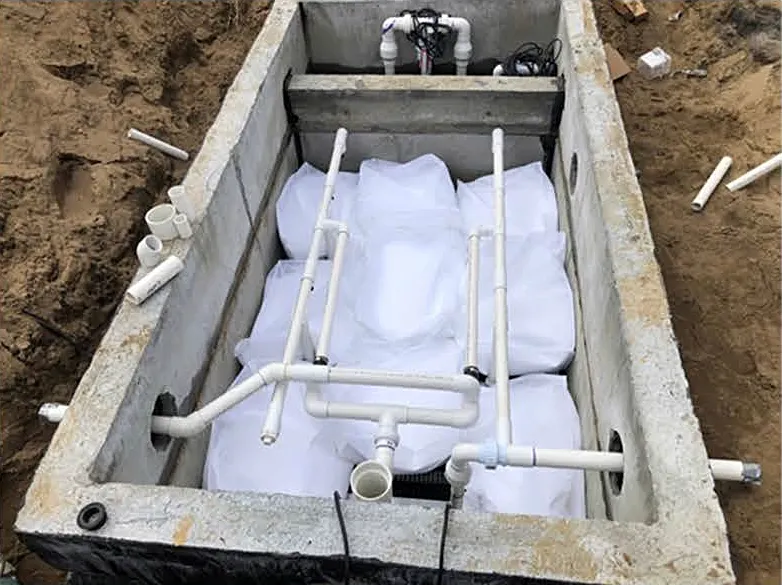
Rather than pursuing a single centralized treatment facility, the design team implemented a decentralized approach utilizing multiple advanced treatment systems strategically distributed throughout the community. Groups of two to three cottages were connected to individual STAAR® treatment systems from SeptiTech, Inc., a division of BioMicrobics, Inc., allowing wastewater to be treated close to its source while minimizing the footprint required for each installation.
This clustered design approach provided the flexibility needed to work around existing buildings, property constraints, and available disposal areas. The modular nature of the STAAR platform enabled system sizing to be tailored to the wastewater flows generated by each cottage cluster. System selection ranged from STAAR® 1.0 to STAAR® 3.0 units, depending on the number of cottages served and site-specific conditions.
Key Project Outcomes and Results
The final design incorporated 41 SeptiTech® STAAR® systems, creating a distributed treatment network capable of serving the entire cottage community while meeting modern environmental performance standards.
Key project outcomes included:
- Successful wastewater treatment upgrade for a historic high-density cottage development.
- Compliance with Massachusetts Title 5 nitrogen reduction requirements.
- Effective treatment within a nitrogen-sensitive coastal watershed.
- Elimination of the need for a large centralized treatment facility.
- Maximized use of limited available land through decentralized system placement.
- Long-term regulatory compliance supporting future ownership and operation of the property.
Cape Cop Vacation Community
By utilizing multiple advanced STAAR treatment systems, this Cape Cop Vacation Community was able to preserve its historic cottage community while achieving the wastewater treatment performance necessary to meet today’s environmental standards.
The project demonstrates the effectiveness of decentralized wastewater treatment for nutrient-sensitive coastal environments and highlights how advanced nitrogen-reducing treatment systems can be successfully integrated into existing high-density developments with severe space limitations.
Project Overview
This project demonstrates how decentralized wastewater treatment system can be used to achieve advanced nitrogen removal in environmentall sensitive coastal communities where conventional centralized treatmer is not feasible. The installation serves as a model for wastewater upgrade in legacy cottage colonies, campground developments, and seasona residential communities throughout Cape Cod and other nutrient-sensitiv watersheds.