Skip to content

When a septic system starts showing signs of trouble, most property owners want one thing: to get it working again as quickly as possible. But before agreeing to a repair, it is worth asking a few questions. At BioMicrobics, we know that effective septic system repair services should begin by identifying what is actually causing the problem—not simply treating the most obvious symptom.
- Start by Understanding What Is Actually Wrong
- 1. What Do You Think Is Causing the Problem?
- 2. Have You Inspected the Entire Septic System?
- 3. Does the Drainfield Need Repair or Complete Replacement?
- 4. Can the Existing Leach Field Be Repaired?
- 5. Why Did the System Fail?
- 6. What Is Included in the Repair Estimate?
- 7. Will Permits or Inspections Be Required?
- 8. What Maintenance Will Be Needed After the Repair?
- 9. Is the Current System Appropriate for the Property?
- 10. Are There Treatment Options That Could Improve the System?
- Do Not Be Afraid to Ask Questions
Start by Understanding What Is Actually Wrong
Slow drains, sewage odors, unusually wet areas in the yard, backups, or problems around the drainfield can all indicate that something is wrong with an onsite wastewater system. The difficult part is that similar symptoms can have very different causes. A problem might involve the septic tank, piping, pumps, controls, treatment components, excessive hydraulic loading, the drainfield, or a combination of issues. That is why diagnosis matters. Before approving a major repair, ask the company what they believe is failing, how they reached that conclusion, and whether they have evaluated the entire system. Good septic tank and drainfield troubleshooting should look beyond the symptom you first noticed. The goal is to understand why the problem developed so the repair addresses the cause whenever possible.
1. What Do You Think Is Causing the Problem?
This should be one of the first questions you ask. A septic professional should be able to explain what they found in terms you can understand. You do not need to become a wastewater expert, but you should understand whether the problem appears to involve the tank, treatment process, drainfield, plumbing, mechanical equipment, or another component. Be cautious about jumping immediately to the most expensive solution without understanding the diagnosis. For example, a wet drainfield does not automatically tell you why that area is wet. Hydraulic overloading, poor drainage, a component failure, or problems with effluent quality may contribute to what you are seeing. The better the diagnosis, the better the repair decision can be.
2. Have You Inspected the Entire Septic System?
Septic systems function as a series of connected components. Wastewater leaves the building, enters the septic or treatment system, moves through the appropriate treatment processes, and eventually reaches the final dispersal area. A problem in one portion of that process can affect another. That is why comprehensive septic system repair services should consider how the complete system is operating. Ask what has actually been inspected. Has the tank been evaluated? Have accessible components been checked? Are pumps or controls involved? Has the drainfield been examined? Are there signs of unusually high water usage? Looking at the complete treatment train can provide valuable context before deciding what needs to be repaired.
3. Does the Drainfield Need Repair or Complete Replacement?
This is an especially important question because replacing a drainfield can be a major project. If a contractor recommends replacement, ask why. Depending on the condition and cause of the problem, septic system drainfield leach field repair may involve a different approach than completely abandoning and replacing the existing dispersal area. Property owners should understand what evidence supports the recommendation. Ask whether the field has been evaluated for hydraulic problems, physical damage, excessive loading, or other contributing factors. If replacement is recommended, ask whether other technically appropriate and locally permitted options have been considered. The objective should be selecting the solution that addresses the actual condition of the system.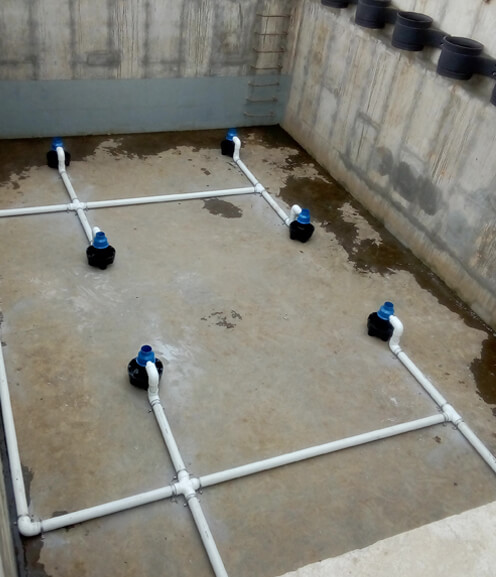
4. Can the Existing Leach Field Be Repaired?
In some situations, a drainfield problem may not automatically mean that every component needs to be replaced. In others, replacement may ultimately be the appropriate solution. That is where professional leach field repair starts with a proper evaluation. Ask what condition the existing field is in and whether the underlying cause of the failure has been identified. If the system has been hydraulically overloaded for years, for example, addressing only a downstream symptom may not prevent the problem from returning. A qualified professional should also explain what local regulations allow. Septic requirements vary by jurisdiction, and repair options that are permitted in one area may not be handled the same way somewhere else.
5. Why Did the System Fail?
This may be the most valuable question on the list. Fixing a problem without understanding why it happened can leave the system vulnerable to another failure. Possible contributing factors can include excessive water use, inappropriate materials entering the system, grease, damaged components, poor maintenance, increased occupancy, hydraulic overload, inadequate treatment, age, or site conditions. Ask whether the repair company has identified a likely cause and whether anything should change after the repair. Sometimes the solution involves more than replacing a damaged component. Changes in maintenance, water use, pretreatment, or treatment performance may help protect the system going forward.
6. What Is Included in the Repair Estimate?
Before work begins, make sure you understand what the estimate covers. Ask whether the quoted price includes diagnostics, excavation, equipment, replacement components, labor, permits, inspections, restoration of disturbed areas, and any required follow-up. For larger drainfield replacement and repair projects, also ask what could cause the final cost or project scope to change. Underground wastewater systems can occasionally reveal conditions that were not visible during the initial inspection. A clear estimate should explain the known work and identify significant uncertainties when possible. That gives you a better basis for comparing proposals than simply choosing the lowest number.
7. Will Permits or Inspections Be Required?
Septic repairs may be regulated by local or regional authorities, and requirements can depend on the type and extent of work being performed. Ask the contractor who is responsible for obtaining permits and scheduling required inspections. This is particularly important when a project involves modifications to the treatment or dispersal system. A professional company should be familiar with the requirements that apply to its work, but property owners should still understand the process before construction begins.
8. What Maintenance Will Be Needed After the Repair?
A repaired septic system still needs ongoing care. Ask what you should do differently—if anything—after the repair. Find out when tanks should be inspected or pumped, whether mechanical components require service, what should not go down the drain, and what warning signs deserve attention. When discussing leach field installation and maintenance, homeowners should also understand how everyday activities can affect the dispersal area. Driving or parking heavy vehicles over the field, directing stormwater toward it, planting inappropriate vegetation, or dramatically increasing household water use can create unnecessary stress. Knowing how to protect the system is part of protecting the money you have invested in repairing it.
9. Is the Current System Appropriate for the Property?
Properties change. A home designed for two or three occupants may eventually house a larger family. A building may be expanded. A property might add bedrooms, bathrooms, guest accommodations, or other features that increase wastewater flow. If a septic system repeatedly experiences problems, it is worth asking whether the existing system still matches how the property is being used. This does not mean a larger system is always necessary. It means current conditions should be considered as part of the diagnosis. Repeatedly repairing a system without evaluating changes in wastewater demand may overlook an important piece of the problem.
10. Are There Treatment Options That Could Improve the System?
Conventional septic systems are not the only wastewater treatment technologies available. Depending on the property, wastewater characteristics, site limitations, and local regulations, advanced treatment technologies may provide options for certain projects. At BioMicrobics, we develop decentralized wastewater treatment technologies designed for a variety of residential and commercial applications. Our focus is on improving wastewater treatment while providing practical solutions that can work within real-world site conditions. When evaluating septic system repair services, it can be worthwhile to ask whether the existing configuration remains appropriate or whether an advanced treatment approach should be considered. The answer will depend on the individual property and applicable requirements, but it is a question worth asking—especially when dealing with recurring problems or challenging sites.
Do Not Be Afraid to Ask Questions
Septic systems are mostly underground, which means property owners often do not think about them until something goes wrong. When that happens, the unfamiliarity of the system can make it tempting to approve the first recommended solution. You do not have to become a wastewater treatment expert. You should, however, feel comfortable asking what is wrong, why it happened, what the proposed repair will accomplish, and what you can do to help prevent another problem. At BioMicrobics, we believe better wastewater decisions begin with understanding the complete system. Whether a property needs troubleshooting, treatment improvements, septic system repair services, or a larger wastewater solution, the goal should be long-term performance rather than a temporary fix. If your septic system is experiencing recurring problems, start with a thorough evaluation. Understanding what is happening below the surface can help you and your wastewater professional determine the most appropriate path forward.
Dealing with Wastewater? Let’s Keep It Simple. You can phone us at 800-753-3278 or get in touch with us here.

If you’re tired of systems that break down, cost a fortune, or just don’t make sense, we hear you.
At BioMicrobics, we build treatment systems that work the way they should. No fluff, no confusing setup.
Simply clean water.
We can help you find out what works best for your house, small company, or even your whole town.