Skip to content

Wastewater treatment does not always have to happen at a large centralized municipal facility. For homes, businesses, developments, wineries, small communities, and other properties without practical access to a centralized sewer network, onsite treatment can provide another solution. At BioMicrobics, we design treatment technologies that help make onsite wastewater treatment systems installation practical for a wide range of wastewater challenges.
- Understanding Onsite Wastewater Treatment Systems
- How Does an Onsite Wastewater Treatment System Work?
- Why Would a Property Need Onsite Wastewater Treatment?
- Treating High-Strength Wastewater
- Wastewater Treatment for Wineries
- Solutions for Small Communities
- Wastewater Treatment for Multi-Family Properties
- What Should Be Considered Before Installation?
- Benefits of Onsite Wastewater Treatment
- Our Approach at BioMicrobics
- Finding the Right Onsite Wastewater Treatment Solution
Understanding Onsite Wastewater Treatment Systems
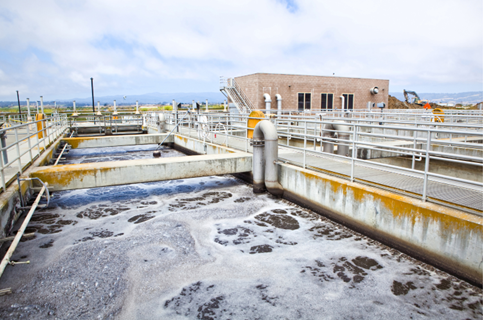
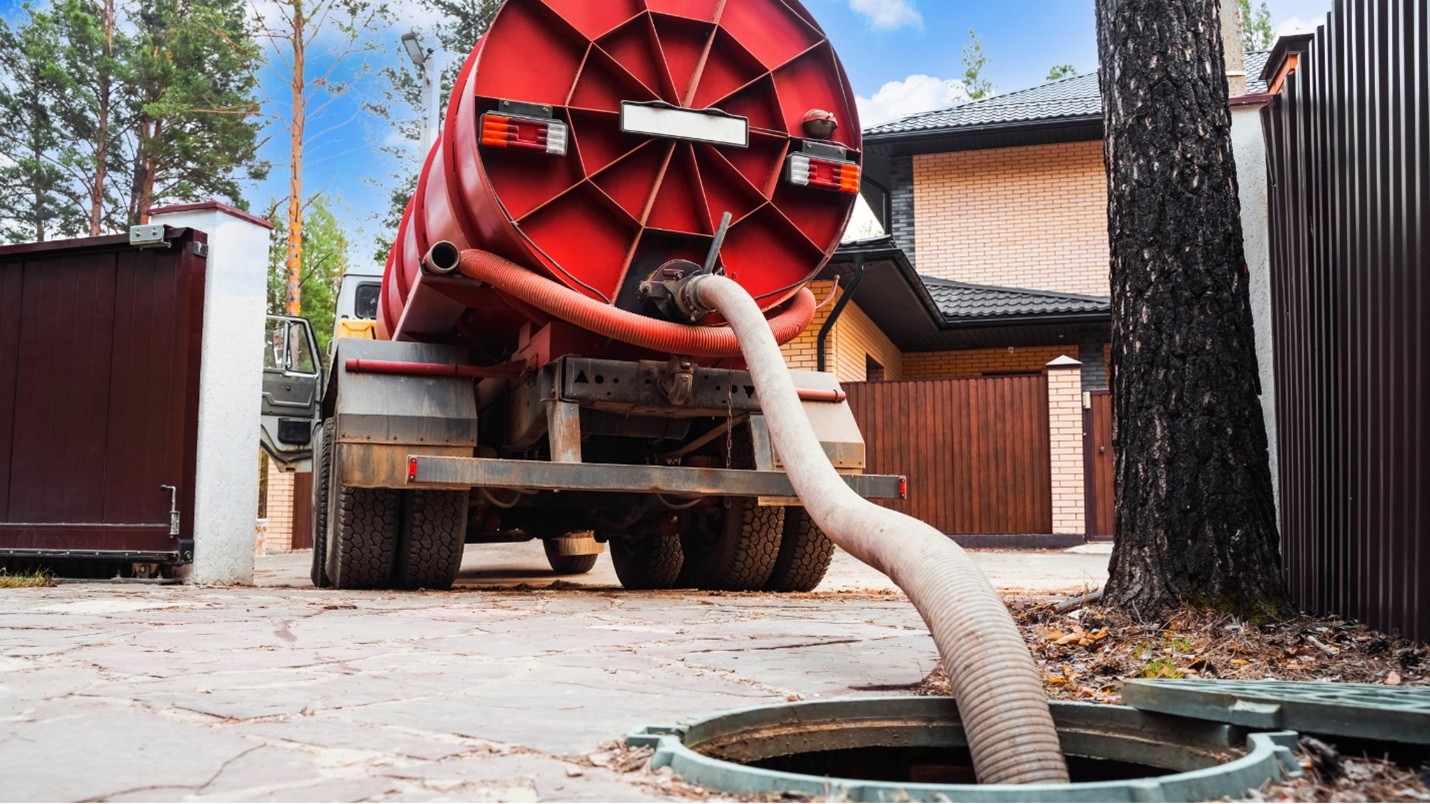
An onsite wastewater treatment system treats wastewater at or near the location where that wastewater is generated. Instead of sending wastewater through miles of sewer infrastructure to a large municipal treatment plant, the treatment process takes place directly on the property or within the development being served. Many people immediately think of a conventional septic tank when they hear “onsite wastewater.” While a septic system is one type of onsite approach, modern treatment systems can go much further. Depending on the application, an advanced onsite system can incorporate biological treatment and other processes designed to improve wastewater quality before it is dispersed, discharged, or potentially reused in accordance with applicable regulations. This flexibility is one reason we work with such a broad range of applications at BioMicrobics. Wastewater from a single property can look very different from wastewater generated by an apartment development, restaurant, winery, commercial facility, or small community. The treatment solution needs to account for those differences.
How Does an Onsite Wastewater Treatment System Work?
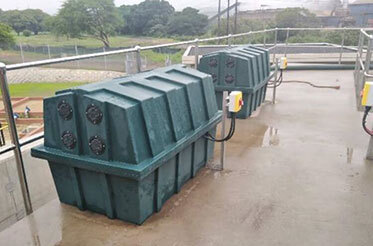
Although system designs vary, the basic objective is straightforward: collect wastewater, treat it effectively, and manage the treated effluent responsibly. Wastewater first enters the treatment system from the building or facility. Depending on the design, solids may be separated before the wastewater moves into additional treatment stages. Biological treatment is an important part of many advanced systems. Naturally occurring microorganisms help break down organic matter in the wastewater. The treatment process creates conditions that allow these microorganisms to do their job efficiently. Additional treatment steps may be incorporated depending on the wastewater characteristics and the requirements of the project. Once treatment is complete, the effluent can move to an approved dispersal, discharge, or reuse method. A successful onsite wastewater treatment systems installation is therefore about much more than placing equipment in the ground. The complete treatment process has to be considered, including wastewater flow, strength, site conditions, treatment objectives, local requirements, operation, and long-term maintenance.
Why Would a Property Need Onsite Wastewater Treatment?
One of the most common reasons is simple: a centralized sewer connection is unavailable or impractical. That situation can occur in rural areas, expanding communities, remote developments, resorts, commercial properties, and locations where extending municipal sewer infrastructure would be difficult or expensive. Onsite treatment can also make sense when a project has unique wastewater characteristics that require more specialized treatment. For example, wastewater generated by a winery is not necessarily comparable to typical residential wastewater. Food and beverage operations, commercial facilities, and other businesses may also produce wastewater with higher organic loading or unusual flow patterns. As a wastewater treatment system company, we believe those differences should be understood early in the planning process. Choosing a system simply based on estimated gallons per day does not tell the entire story.
Treating High-Strength Wastewater
Wastewater “strength” generally refers to the concentration of organic material and other constituents within the wastewater. Some commercial and industrial applications can generate wastewater considerably stronger than normal domestic wastewater. That can create a challenge for systems that were designed around typical residential conditions. Working with a high strength wastewater treatment company can help project teams evaluate both flow and wastewater characteristics before selecting a treatment approach. Restaurants, food-processing operations, breweries, wineries, and similar facilities may require additional consideration because wastewater loads can change throughout the day, week, or season. Understanding what is actually entering the system helps create a treatment strategy suited to the application instead of trying to make a standard solution handle conditions it was never intended to treat.
Wastewater Treatment for Wineries
Wineries are a good example of why application-specific wastewater planning matters. Water is used throughout winery operations for washing equipment, cleaning tanks, processing, and other activities. Wastewater characteristics and volumes can also change significantly during harvest and production periods. A winery wastewater treatment system company should consider these fluctuations when helping determine the appropriate treatment solution. Peak flows, organic loading, seasonal operation, available space, and long-term management can all influence system design. At BioMicrobics, we understand that wastewater infrastructure needs to support the operation rather than unnecessarily complicate it. That means looking at the complete application and developing an approach around actual operating conditions.
Solutions for Small Communities
Not every community has access to a large centralized wastewater treatment plant. Small municipalities, rural communities, subdivisions, and similar developments may need decentralized treatment options that can serve multiple users without requiring extensive sewer infrastructure. A small municipal wastewater treatment system company can help evaluate solutions that bridge the gap between individual septic systems and conventional large-scale treatment plants. Decentralized systems can allow wastewater to be treated closer to where it originates while still serving a larger group of properties. Depending on the project, this approach may reduce the amount of collection infrastructure required and provide communities with a treatment strategy appropriate for their size.
Wastewater Treatment for Multi-Family Properties
Apartments, condominiums, townhomes, housing developments, and other multi-family properties create another set of wastewater considerations. Flow can vary considerably throughout the day. Morning and evening periods may create much heavier demand than overnight hours, while occupancy changes can affect overall wastewater volumes. Working with a multi-family wastewater treatment system company helps ensure these usage patterns are considered during planning. Treatment capacity needs to match realistic occupancy and loading conditions. At the same time, developers and property owners need to think about available space, future maintenance access, system operation, regulatory requirements, and possible changes in demand.
What Should Be Considered Before Installation?
Every project starts with understanding the site and the wastewater. Before an onsite wastewater treatment systems installation, our team and project partners may need to consider expected daily flow, wastewater strength, peak loading, property size, soil and site characteristics, discharge or dispersal requirements, local regulations, maintenance expectations, and future growth. There is rarely a meaningful one-size-fits-all answer. Two facilities with similar daily flow rates can require different treatment approaches because the wastewater itself is different. Likewise, two residential developments with similar occupancy may have different site constraints or regulatory requirements. That is why good wastewater planning begins with questions rather than assumptions.
Benefits of Onsite Wastewater Treatment
When properly designed for the application, onsite treatment can provide several practical advantages:
- Treatment takes place close to where wastewater is generated.
- Properties may be developed where centralized sewer access is unavailable.
- Systems can be designed around specific wastewater characteristics.
- Decentralized treatment can serve residential, commercial, and community applications.
- Solutions can be scaled for different flow and loading requirements.
- Advanced treatment can provide higher treatment levels than basic primary treatment alone.
- Certain projects may incorporate water reuse when regulations and treatment objectives allow it.
These benefits make onsite treatment an important part of wastewater infrastructure, particularly as communities look for practical ways to manage development, water resources, and infrastructure needs.
Our Approach at BioMicrobics
At BioMicrobics, wastewater treatment is not limited to one type of property or one standard system configuration. We work with residential, commercial, municipal, and specialized applications around the world. Our technologies are designed with treatment performance, simplicity, and long-term operation in mind. Just as importantly, we understand that a treatment system becomes part of a larger property or operation. It has to function in real-world conditions after installation, not just look good on a design drawing. That is why we consider the complete wastewater challenge. What is the expected flow? How strong is the wastewater? Does loading change seasonally? What treatment objectives need to be achieved? How much space is available? What are the regulatory requirements? How will the system be operated and maintained? Answering those questions helps determine which treatment approach makes sense.
Finding the Right Onsite Wastewater Treatment Solution
Onsite wastewater treatment gives property owners, developers, engineers, businesses, and communities options when conventional centralized sewer infrastructure is not available or does not fit the project. The important part is matching the technology to the wastewater and the site. At BioMicrobics, our experience with onsite wastewater treatment systems installation spans applications ranging from individual properties to commercial operations, multi-family developments, and small communities. We focus on treatment solutions designed around actual wastewater conditions and long-term performance. If you are planning a new project or evaluating alternatives for an existing wastewater system, our team can help you explore the treatment technologies available and determine which approach best fits the needs of your site.
Dealing with Wastewater? Let’s Keep It Simple. You can phone us at 800-753-3278 or get in touch with us here.

If you’re tired of systems that break down, cost a fortune, or just don’t make sense, we hear you.
At BioMicrobics, we build treatment systems that work the way they should. No fluff, no confusing setup.
Simply clean water.
We can help you find out what works best for your house, small company, or even your whole town.