Skip to content
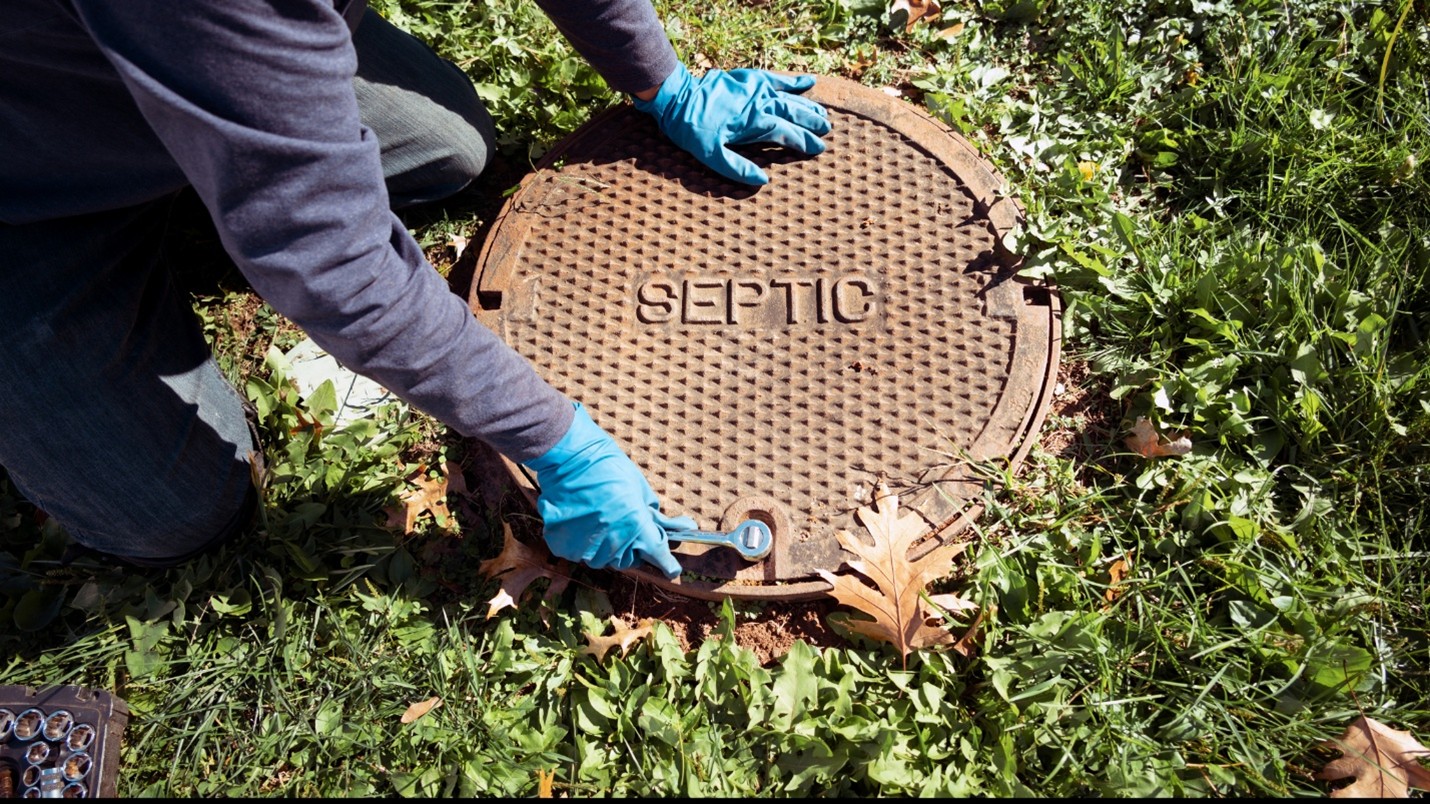
Most homeowners do not pay much attention to a septic system when everything is working normally. Water drains. Toilets flush. Life moves on. Problems usually get noticed only after the yard stays wet for days or the house starts smelling like sewage.
Homes without access to city sewer lines depend on onsite wastewater systems every single day. Some systems are simple. Others use more advanced treatment methods to help improve water quality before it reaches the soil. One example is an aerobic septic system.
At BioMicrobics, for the last 30 years we’ve provided aerobic septic system services for homeowners looking for better wastewater treatment performance and long-term system reliability.
- What Makes an Aerobic Septic System Different?
- How Does an Aerobic Septic System Work?
- Why Do Some Drainfields Fail?
- Are Aerobic Systems Better Than Traditional Septic Systems?
- Why Is Maintenance So Important?
- Can Existing Septic Systems Be Repaired?
- Why Does the Drainfield Matter So Much?
- Next Steps
What Makes an Aerobic Septic System Different?
A traditional septic system mainly separates solids from liquids. The wastewater then moves into the drainfield, where the soil finishes the treatment process naturally.
An aerobic system works differently because it adds oxygen to the treatment tank. That oxygen supports aerobic bacteria, which break down waste faster than the bacteria found in many conventional systems.
The result is cleaner wastewater before it reaches the drainfield.
That can make a major difference in properties with:
- Poor soil conditions
- Limited space
- High groundwater levels
- Heavy household water usage
- Environmental restrictions
In many cases, aerobic systems are used because a standard septic setup simply may not perform well enough for the property.
How Does an Aerobic Septic System Work?
The process itself is not overly complicated, even though the equipment is more advanced than a basic septic tank.
First, wastewater leaves the home and enters the treatment tank. Solids settle while liquids continue moving through the system.
Next comes the aeration stage. Air is pumped into the chamber to help oxygen-loving bacteria break down waste materials more efficiently.
After treatment, the wastewater moves into another chamber where the remaining solids separate from the liquid.
Finally, the treated water flows into the drainfield for final soil filtration.
At BioMicrobics, our aerobic septic system services are designed around helping homeowners improve treatment quality while reducing long-term stress on the drainfield.
Why Do Some Drainfields Fail?
Drainfield failure usually does not happen overnight.
Many systems slowly decline over time because the soil becomes overloaded with wastewater contaminants, grease, solids, or excess water flow. Once the soil stops absorbing water properly, problems begin showing up around the property.
Homeowners often notice:
- Soggy areas in the yard
- Standing water
- Slow drains
- Sewage odors
- Backups inside the home
Aerobic systems can sometimes help reduce the risk of early drainfield failure because the wastewater entering the soil has already gone through more treatment.
Still, even advanced systems eventually need maintenance or repair work.
That is why we also provide septic drain field repair services for systems showing signs of failure or poor drainage.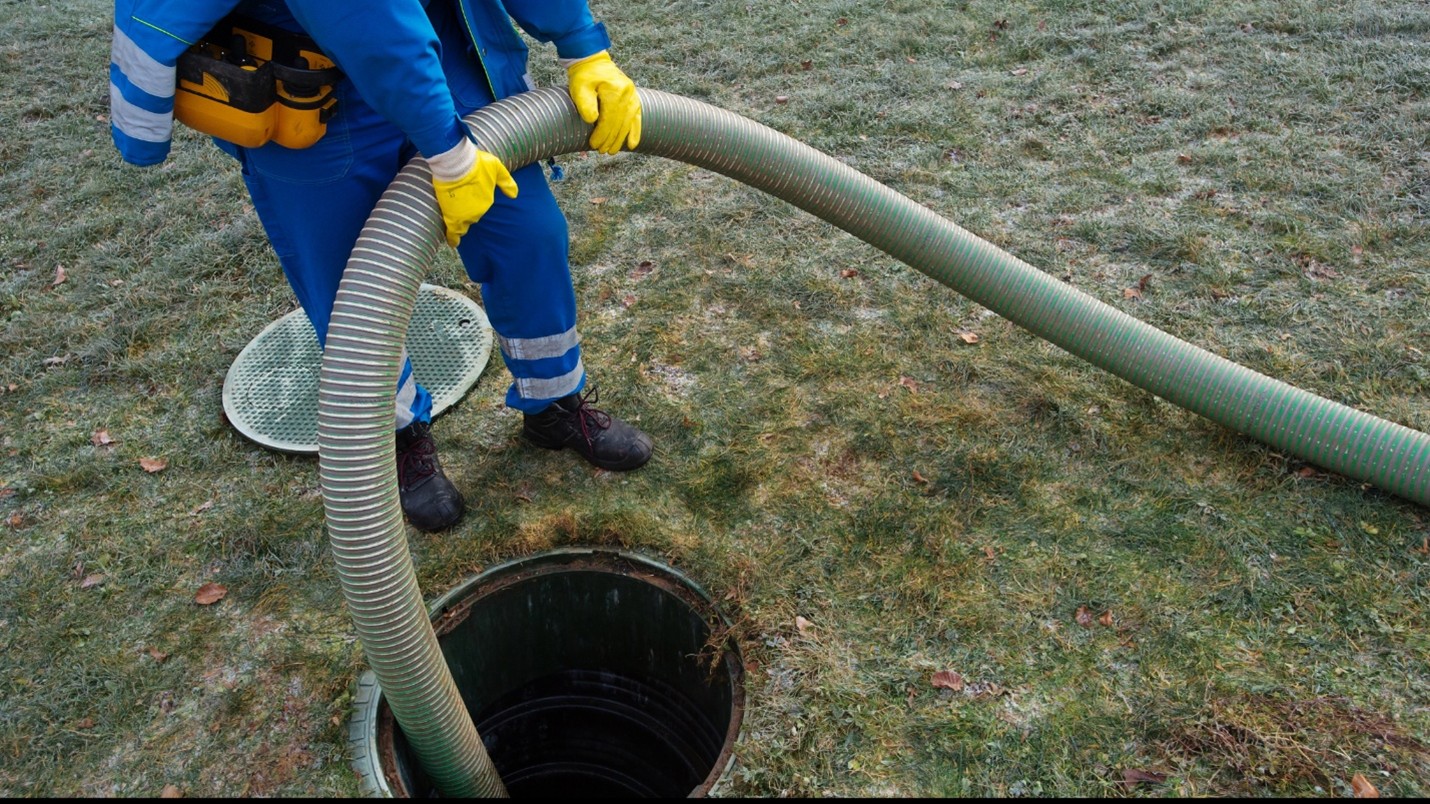
Are Aerobic Systems Better Than Traditional Septic Systems?
It depends on the property.
Some homes do perfectly fine with conventional septic systems for decades. Others need a stronger level of treatment because of soil limitations or environmental requirements.
Aerobic systems are often chosen for properties where traditional systems struggle.
For example:
- Small lots may not have enough drainfield space
- Clay-heavy soil may drain poorly
- Waterfront properties often require stricter wastewater treatment
- Larger households may create higher wastewater volumes
As an alternative septic systems company, we help property owners determine which type of system fits the actual conditions instead of forcing one solution onto every project.
Why Is Maintenance So Important?
A wastewater system is not something homeowners should install and completely ignore.
Aerobic systems contain pumps, aerators, and treatment components that need routine inspections. Small issues can grow into expensive repairs if they go unnoticed for too long.
Regular maintenance usually includes:
- Checking aerators
- Inspecting pumps
- Cleaning filters
- Measuring sludge levels
- Evaluating overall system performance
At BioMicrobics, our aerobic septic system services focus heavily on long-term operation and preventative maintenance rather than waiting for major failures to happen.
Can Existing Septic Systems Be Repaired?
Sometimes they can.
Many homeowners assume a failing septic system automatically means full replacement. That is not always true.
Certain problems can be corrected through targeted repairs, drainfield restoration, or treatment upgrades. We regularly provide septic system repair services for homeowners dealing with aging systems, drainage problems, or declining performance.
The key is identifying the issue early, before the damage spreads further into the system.
Why Does the Drainfield Matter So Much?
The drainfield does more work than most people realize.
Even after wastewater leaves the treatment tank, the soil still plays a major role in final filtration. If the drainfield becomes overloaded or damaged, the entire system can stop functioning properly.
Proper leach field installation and maintenance can help wastewater disperse evenly through the soil instead of pooling in one area.
At BioMicrobics, we also help homeowners with diagnosing and fixing septic drainfield issues before total system failure happens.
In many cases, early action can save significant repair costs later.
Next Steps
Aerobic septic systems help improve wastewater treatment by using oxygen to break down waste more effectively before the water reaches the drainfield. For many homes, they provide better treatment performance, improved environmental protection, and stronger long-term reliability than conventional systems alone.
At BioMicrobics, we’re focused on driving the world into a better place through better water. Are you interested in how to create better wastewater treatment or have any questions about our services? Let us contact you.
Dealing with Wastewater? Let’s Keep It Simple. You can phone us at 800-753-3278 or get in touch with us here.

If you’re tired of systems that break down, cost a fortune, or just don’t make sense, we hear you.
At BioMicrobics, we build treatment systems that work the way they should. No fluff, no confusing setup.
Simply clean water.
We can help you find out what works best for your house, small company, or even your whole town.