Skip to content

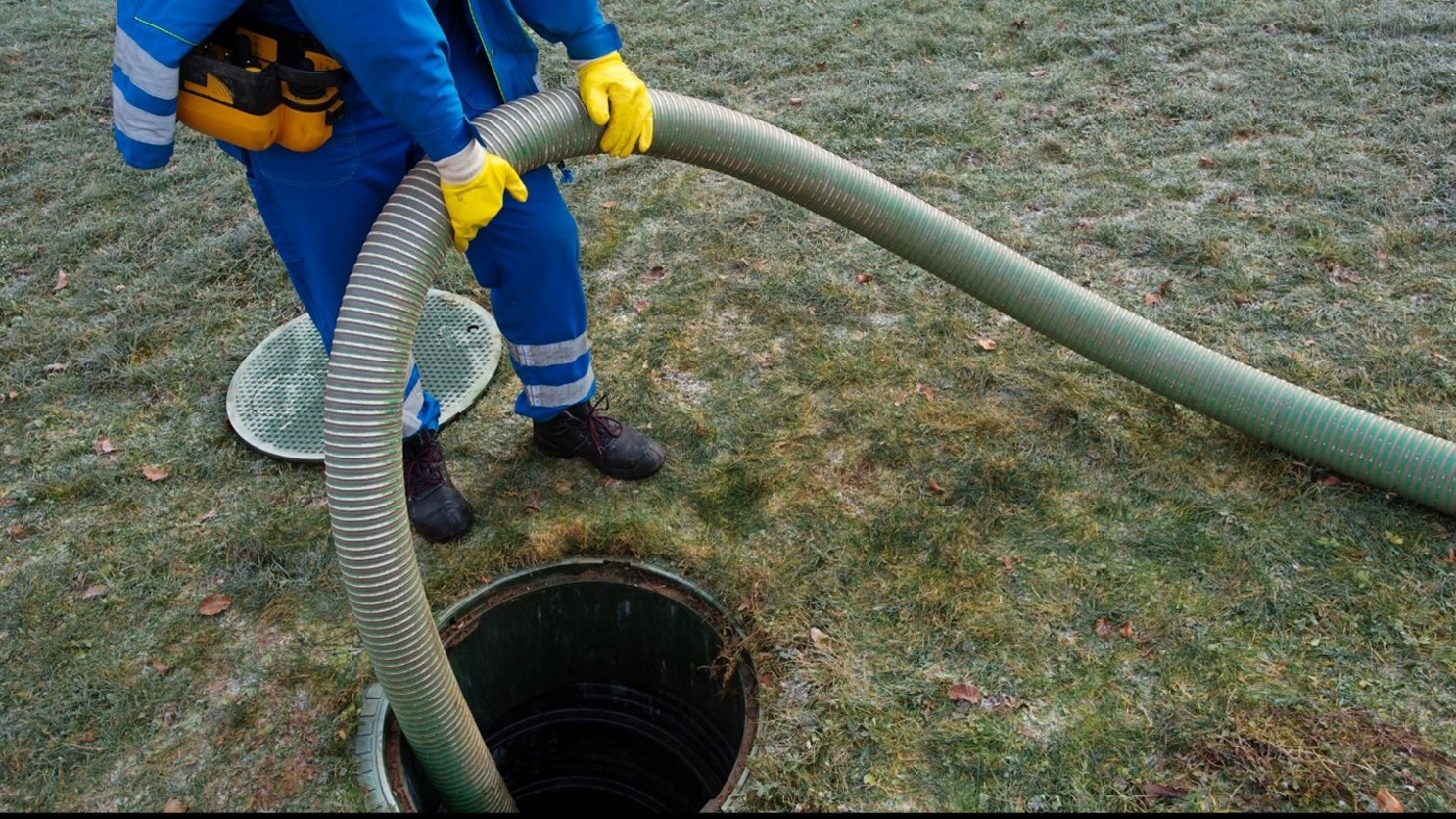
Septic system repair services may be necessary when wastewater backs up, drains slow throughout the building, sewage odors persist, an alarm sounds, or wet areas appear over treatment components. It’s important to know that one symptom does not identify the cause. A clogged building drain, full tank, damaged pipe, failed pump, saturated soil, hydraulic overload, or struggling drainfield can look similar from the homeowner’s side. The useful next step is not adding a mystery product or digging randomly. It is documenting what changed, limiting water use when appropriate, and having the full system evaluated by a qualified professional.
Start with the pattern of symptoms
One slow sink may be a plumbing issue close to that fixture. Several slow drains, gurgling toilets, or a backup at the lowest point in the building can suggest a broader problem. Note which fixtures are affected, when symptoms began, and whether heavy water use makes them worse.
Outdoors, look from a safe distance for unusual wetness, lush strips of grass, surfacing wastewater, erosion, or settling. Keep people and animals away from any area where wastewater may be exposed. Do not drive or park over tanks, pipes, or the drainfield. Professional septic tank and drainfield troubleshooting should connect indoor and outdoor observations with records, component checks, and site conditions. Simply guessing based on one green patch is not enough.
What a septic system repair services expert should inspect
The evaluation may include tank levels, baffles, filters, pumps, alarms, controls, distribution components, piping, and the soil treatment area. The exact process depends on system type, access, symptoms, and local requirements. Maintenance history provides important context. Pumping dates, prior repairs, alarm events, inspection reports, and changes in occupancy can reveal patterns. A property that recently added bedrooms, a home office, or frequent guests may be placing different demands on the system.
The inspector should explain what was observed and distinguish confirmed findings from possibilities that require more testing. Photos, measurements, and written notes make later repair decisions easier to evaluate. Access can also affect the inspection. Buried lids, missing risers, landscaping, decks, and unknown component locations may add time or limit what can be checked immediately. Share any site plan or installation sketch you have. If excavation is needed simply to reach routine service points, ask whether access improvements should be included in the repair. Easier access can reduce disruption during future pumping, filter cleaning, and troubleshooting.
Water use can expose an existing weakness
Extensive use of washing machines, leaking toilets, large gatherings, and plumbing fixtures that run continuously can push more water through the system than usual. Reducing unnecessary use may ease an immediate overload, but it does not repair a damaged component or restore soil that no longer accepts effluent properly.
Spread laundry and dishwasher use across the week when possible. Fix leaks promptly. Avoid sending grease, wipes, harsh chemicals, and non-biodegradable material down drains. These habits support operation, but they should not be sold as cures for an active failure. When fixing septic drainfield issues, the professional should consider why the problem developed. A repair that ignores leaking fixtures, poor drainage, root intrusion, or unsuitable loading may not hold.
Drainfield problems require careful diagnosis
The drainfield relies on soil and distribution working together. Compaction, saturation, uneven distribution, physical damage, excessive loading, groundwater, or age can affect performance. There is no single repair that fits every site.
A professional leach field repair recommendation should identify the suspected failure mechanism and the evidence supporting it. Ask which components can be tested, repaired, rehabilitated, or replaced and what approvals are required. A septic drainfield restoration may be discussed when parts of the existing system can be recovered or upgraded. The term should come with a defined scope, expected performance, monitoring plan, and realistic limitations rather than a vague promise to make old soil new.
Compare repair with replacement honestly
Limited pipe, pump, control, distribution, or access problems may be repairable without replacing the whole system. Widespread soil treatment failure, severe structural damage, insufficient capacity, or a site that no longer meets requirements can lead to a larger project. Decisions about drainfield replacement and repair should account for available land, setbacks, soil evaluation, reserve area, system type, permits, and current wastewater flow. Costs can differ widely because excavation is only one part of the work.
Ask for alternatives in writing. One option may have a lower initial cost but require more frequent service. Another may need additional equipment and electrical power while providing treatment suited to the site. The correct comparison includes maintenance over time. Temporary measures should be labeled clearly. Pumping a tank may create short-term capacity while an investigation or repair is scheduled, but it does not correct every underlying failure. Ask how water use should be managed during the waiting period, which fixtures may remain in service, and what signs mean the property should stop using the system entirely. Follow local public health direction when wastewater has surfaced.
Keep the system usable after the repair
Once work is complete, request a diagram showing component locations. Keep tanks, lids, valves, and electrical equipment accessible. Record the repair date, installed products, permits, warranties, service instructions, and contact information. Good septic system repair services should explain how the system is intended to operate and which warning signs deserve a call. Homeowners should know alarm response steps and routine service intervals without having to interpret technical manuals alone.
The goal is not simply to make the symptom disappear for a week. Reliable septic system repair services address the identified cause, document the work, and give the owner a practical maintenance plan.
FAQs
Does slow drainage always mean the septic system is failing?
No. A local plumbing clog can cause similar symptoms. When several fixtures are affected, backups occur, or outdoor warning signs appear, limit unnecessary water use and arrange a professional evaluation.
Can septic additives repair a drainfield?
Do not assume an additive can correct structural damage, hydraulic overload, saturated soil, or failed distribution. Ask the local authority and a qualified professional before adding products to the system.
What records help with septic system repair services?
Provide permits, system drawings, pumping history, prior inspection reports, repair invoices, alarm records, and information about changes in occupancy or water use. Even incomplete records can help establish a timeline.
Dealing with Wastewater? Let’s Keep It Simple. You can phone us at 800-753-3278 or get in touch with us here.

If you’re tired of systems that break down, cost a fortune, or just don’t make sense, we hear you.
At BioMicrobics, we build treatment systems that work the way they should. No fluff, no confusing setup.
Simply clean water.
We can help you find out what works best for your house, small company, or even your whole town.