Skip to content

Most people never think about wastewater until a system starts having problems. Drains slow down. Odors appear. Water starts pooling where it should not. In many cases, the issue comes down to one simple fact: not all wastewater is the same.
Some wastewater is relatively easy to treat. Other types contain much heavier concentrations of grease, organic material, chemicals, or solids. That difference matters more than many property owners realize.
At BioMicrobics, for the last 30 years, we’ve helped homeowners, businesses, and developers understand the difference between standard wastewater treatment and high-strength wastewater treatment systems. The right approach can make a major difference in long-term system performance and environmental protection.
- What Is Regular Wastewater Treatment?
- What Makes Wastewater “High Strength”?
- Why Is High-Strength Wastewater Harder to Treat?
- Who Typically Needs High-Strength Wastewater Treatment?
- What Is the Difference in System Design?
- Why Does Pretreatment Matter So Much?
- Are Decentralized Systems Becoming More Common?
- Next Steps
What Is Regular Wastewater Treatment?
Regular wastewater treatment handles the kind of wastewater most homes and standard buildings produce every day.
This usually includes water from:
- Toilets
- Showers
- Laundry machines
- Kitchen sinks
- Dishwashers
A typical residential system separates solids from liquids and then allows biological treatment to break down contaminants before the water enters the drainfield.
For many properties, that process works well for years when the system is designed properly and maintained consistently.
At BioMicrobics, we provide wastewater solutions built around long-term reliability instead of temporary fixes.
What Makes Wastewater “High Strength”?
High-strength wastewater contains much larger concentrations of organic matter, grease, oils, food waste, or suspended solids than normal residential wastewater.
That extra load places more stress on treatment systems.
A high strength wastewater treatment company works with systems designed to handle wastewater that would quickly overload a conventional setup.
Common sources of high-strength wastewater include:
- Restaurants
- Commercial kitchens
- Breweries
- Food processing facilities
- Hospitality properties
- Industrial operations
In these environments, standard treatment systems often struggle to keep up with the heavier waste load.
Why Is High-Strength Wastewater Harder to Treat?
The problem is not simply the amount of water. It is the concentration of contaminants inside the water itself.
Grease, fats, oils, and heavy organic waste can clog treatment components and overload drainfields much faster than standard residential wastewater.
Without proper treatment, systems may experience:
- Drainfield failure
- Strong odors
- Sludge buildup
- Poor water quality
- Backups and overflows
- Expensive repair costs
That is why a high strength wastewater treatment company uses treatment systems specifically designed for heavier wastewater conditions.
At BioMicrobics, we often design systems that improve biological treatment before wastewater reaches the soil dispersal area.
Who Typically Needs High-Strength Wastewater Treatment?
Not every property requires advanced treatment. However, some businesses generate wastewater that is far more concentrated than residential flows.
A restaurant wastewater treatment company often deals with wastewater containing grease, food particles, oils, and detergents that can overwhelm traditional systems.
Restaurants are one of the most common examples, but they are not the only ones.
Other facilities may include:
- Hotels
- Resorts
- Schools
- Wineries
- Food manufacturing plants
- Event venues
These properties usually need stronger treatment systems to maintain compliance and avoid premature system failure.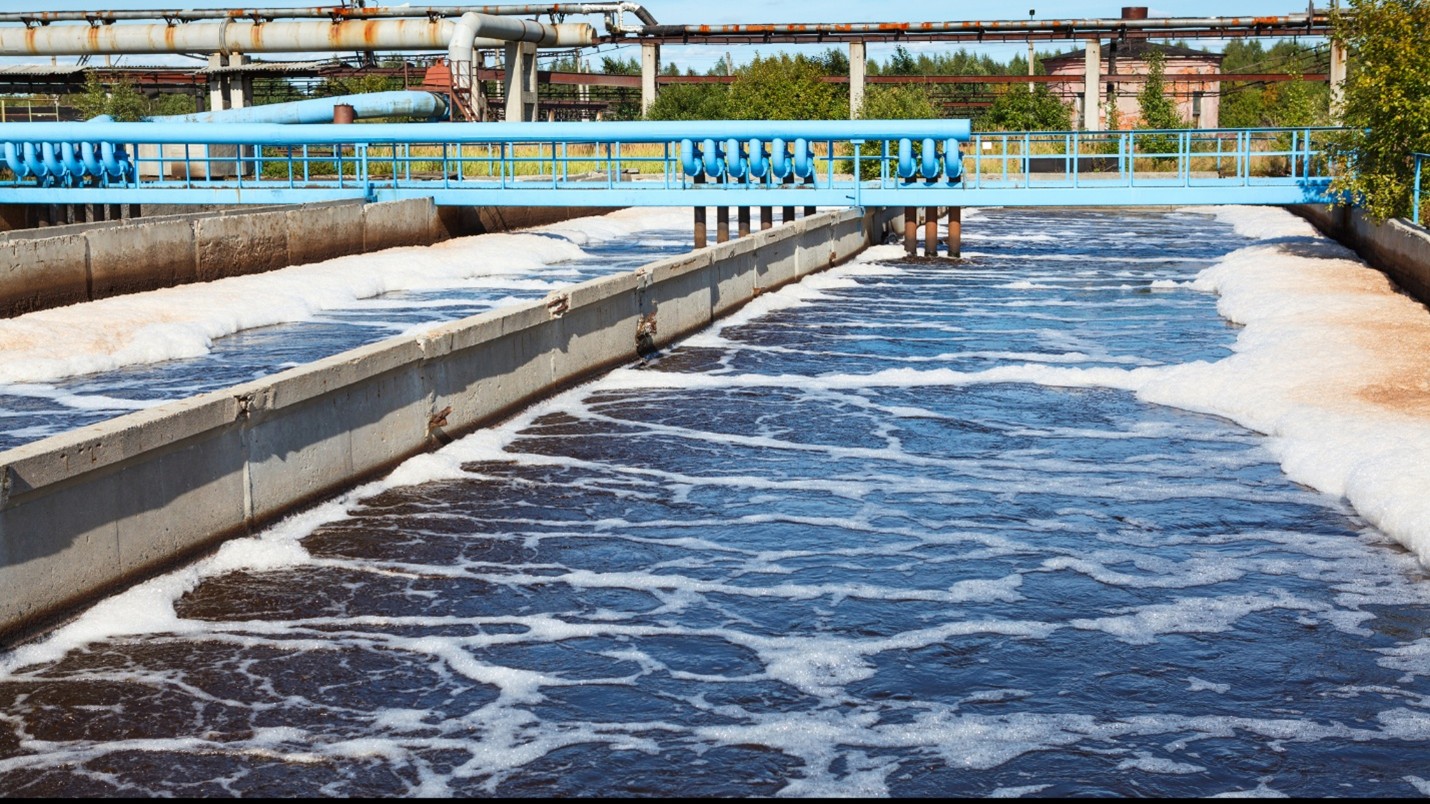
What Is the Difference in System Design?
A standard residential septic system is often much simpler than a high-strength treatment system.
Traditional systems may rely mostly on settling tanks and soil absorption. High-strength systems usually require more advanced treatment components and ongoing monitoring.
At BioMicrobics, our onsite wastewater treatment systems installation process focuses heavily on evaluating the actual wastewater strength before recommending a solution.
Every property is different. Wastewater volume, grease levels, organic loading, and soil conditions all affect system design.
A properly designed system can help reduce maintenance costs and extend drainfield life significantly.
Why Does Pretreatment Matter So Much?
Pretreatment helps remove the heaviest contaminants before wastewater reaches the primary treatment area.
Without pretreatment, grease and solids can build up quickly inside the system. Once the drainfield becomes overloaded, repairs become much more expensive.
A high strength wastewater treatment company often focuses on reducing those heavy loads early in the process.
Pretreatment may include:
- Grease interceptors
- Trash tanks
- Settling chambers
- Aerobic pretreatment
- Flow equalization systems
These components help stabilize the wastewater before final treatment begins.
Are Decentralized Systems Becoming More Common?
Yes. Many communities and businesses are moving toward decentralized wastewater treatment because it offers more flexibility than extending municipal sewer lines.
As a decentralized wastewater treatment systems company, we help property owners develop systems that treat wastewater onsite while supporting environmental sustainability and long-term performance.
Decentralized systems are often used in:
- Rural developments
- Resorts
- Commercial properties
- Remote communities
- Expanding suburban areas
In many cases, decentralized treatment reduces infrastructure costs while improving local wastewater management.
Why Does Proper Installation Matter?
Even the best treatment technology can fail if the system is installed incorrectly.
At BioMicrobics, our onsite wastewater treatment systems installation approach focuses on long-term system performance, not just short-term operation.
Soil conditions, wastewater strength, water usage patterns, and future property demands all play a role in proper system planning.
We also provide advanced wastewater treatment systems installation for properties requiring higher treatment standards or specialized wastewater solutions.
As a trusted wastewater treatment system company, we understand that every project comes with different environmental and operational challenges.
Next Steps
A properly designed system helps reduce environmental impact, improve long-term performance, and prevent expensive failures later.
At BioMicrobics, we’re focused on driving the world into a better place through better water. Are you interested in how to create better wastewater treatment, or have any questions about our services? Let us contact you.
Dealing with Wastewater? Let’s Keep It Simple. You can phone us at 800-753-3278 or get in touch with us here.

If you’re tired of systems that break down, cost a fortune, or just don’t make sense, we hear you.
At BioMicrobics, we build treatment systems that work the way they should. No fluff, no confusing setup.
Simply clean water.
We can help you find out what works best for your house, small company, or even your whole town.