Skip to content

If you’ve been researching onsite wastewater treatment, you’ve probably seen the phrase aerobic treatment ATU unit more than once. It sounds technical, but the idea behind it is easier to understand than most people expect. At BioMicrobics, we often talk with homeowners, engineers, contractors, and developers who simply want to know what an ATU does, when it’s used, and whether it’s the right fit for their property. Understanding the basics is a great place to start.
- Why Are More People Asking About Aerobic Treatment Systems?
- What Does an aerobic treatment unit Actually Do?
- Does Every Property Need an ATU?
- Why Are Aerobic Systems Used in So Many Different Applications?
- What About Maintenance?
- Why Choose BioMicrobics?
- Frequently Asked Questions
- Learn More About Advanced Wastewater Treatment
Why Are More People Asking About Aerobic Treatment Systems?
For years, many property owners assumed a conventional septic system was the only option available. Today, that’s no longer the case. As development expands into areas with challenging soil conditions, environmentally sensitive locations, or stricter wastewater regulations, treatment technologies have continued to evolve. That’s usually when questions start coming in.
Someone may be building a new home on a small lot. A developer might be planning a neighborhood where traditional systems aren’t practical. An engineer could be evaluating treatment options for a site with unique environmental requirements. Even homeowners replacing an older system often want to understand why one treatment approach is being recommended over another. Those conversations rarely begin with someone asking about a specific model or manufacturer. Most people simply want to know how the system works and why it might be recommended for their property.
What Does an aerobic treatment unit Actually Do?
The easiest way to explain an aerobic treatment unit is to compare it to a conventional septic system. Both systems are designed to treat wastewater, but they don’t rely on the exact same biological process. A traditional septic system depends primarily on naturally occurring bacteria that thrive without oxygen. An aerobic system introduces oxygen into the treatment process, creating conditions where aerobic bacteria can become much more active. That added oxygen helps those beneficial bacteria break down organic material more efficiently before the treated water moves to the next stage of the system. We sometimes compare it to composting. Both aerobic and anaerobic bacteria are naturally occurring, but giving aerobic bacteria the oxygen they need allows them to work differently. That’s the basic concept behind an aerobic treatment ATU unit. While the technology inside today’s systems is sophisticated, the overall goal is straightforward: improve wastewater treatment before the water leaves the treatment process.
Does Every Property Need an ATU?
Not at all. One of the biggest misconceptions we hear is that aerobic treatment automatically means “better.” That’s not really how wastewater design works. We’ve worked on properties where a conventional septic system was absolutely the right solution because the site conditions supported it. We’ve also worked on projects where additional treatment wasn’t simply recommended—it was necessary because of soil limitations, environmental regulations, or wastewater treatment goals. That’s why we encourage people not to shop for wastewater systems the way they might shop for appliances or vehicles. A treatment system should fit the property, not the other way around. When engineers evaluate a site, they’re looking at factors like soil conditions, wastewater flow, available space, groundwater, local regulations, and long-term performance expectations. Those details help determine whether an aerobic treatment ATU unit is the most appropriate choice.
Why Are Aerobic Systems Used in So Many Different Applications?
One reason you’ll find aerobic treatment ATU units in a wide variety of projects is their flexibility. We’ve seen them installed at single-family homes, vacation properties, commercial developments, and other locations where additional treatment helps meet project requirements. Although every installation is different, the objective remains the same: provide dependable wastewater treatment that’s appropriate for the site’s specific conditions. That’s also why experienced system designers spend so much time evaluating the property before recommending equipment.
On paper, two sites might appear nearly identical. In reality, one could have shallow soils while the other has seasonal groundwater concerns. One homeowner may expect occasional weekend use, while another property is occupied year-round. Those differences influence treatment system design far more than most people realize. The most successful projects aren’t built around a product catalog. They’re built around understanding how the property will actually function.
What About Maintenance?
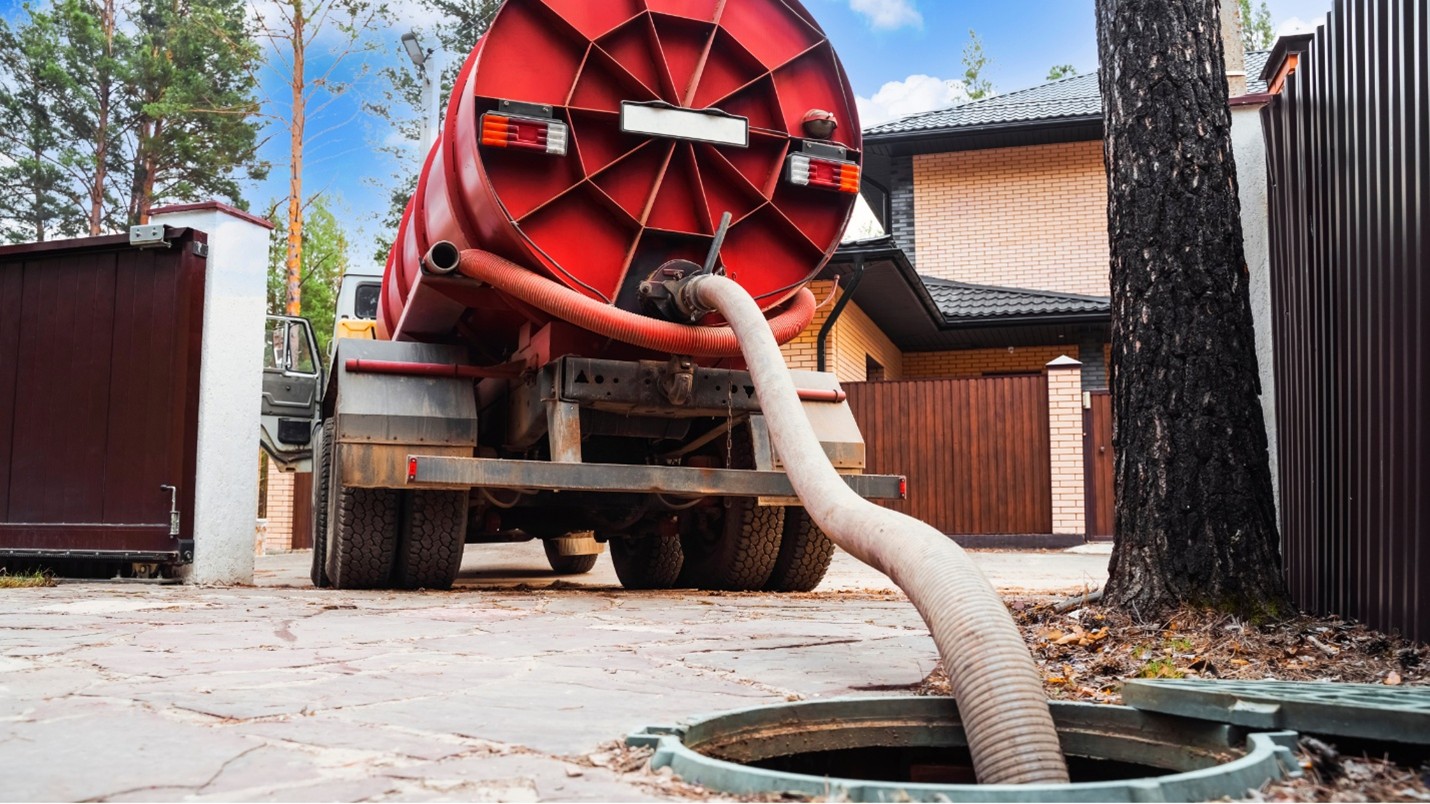
Every wastewater treatment system benefits from regular maintenance, and aerobic systems are no exception. That doesn’t mean homeowners should expect constant repairs. In fact, routine inspections are often about confirming that everything continues operating as intended. Catching a worn component or making a small adjustment during scheduled service is much easier than waiting until a larger issue develops. From time to time, homeowners contact service providers because they notice an alarm, slower drainage, or another change in system performance. Sometimes the solution is relatively simple. Other situations may require more extensive evaluation.
Working with qualified professionals who provide septic system repair services helps ensure the system is inspected correctly and any necessary repairs are completed before they become more significant. Like any important part of a home, preventative maintenance usually saves time, money, and frustration over the long run.
Why Choose BioMicrobics?
At BioMicrobics, we’ve spent decades developing advanced wastewater treatment technologies for residential, commercial, and decentralized applications. Throughout that time, one lesson has remained consistent: every property deserves a solution that’s designed around its actual needs. We don’t believe in recommending treatment systems based solely on what’s popular or familiar. Instead, we work alongside engineers, designers, contractors, distributors, and property owners to better understand each project’s goals before identifying the most appropriate approach.
Whether someone is learning about an aerobic treatment ATU unit for the first time or comparing treatment options for a complex project, our goal is always the same—to provide reliable wastewater solutions backed by practical experience, proven technology, and long-term performance.
Frequently Asked Questions
What’s the difference between an aerobic treatment system and a traditional septic system?
The primary difference is the treatment process. A conventional septic system relies mainly on anaerobic bacteria, while an aerobic treatment unit introduces oxygen to encourage aerobic bacteria that can provide a higher level of wastewater treatment.
Are ATU units only used for difficult properties?
No. While they’re often selected for sites with environmental or soil limitations, they’re also used on many properties where enhanced wastewater treatment is simply the preferred solution.
Do aerobic treatment units require maintenance?
Yes. Like any wastewater treatment system, routine inspections and scheduled maintenance help keep the system operating efficiently and can identify small issues before they require larger repairs.
When should I schedule septic system service?
If you notice alarms, odors, slow drains, or other signs that your wastewater system isn’t performing normally, it’s a good idea to contact a qualified provider of septic system repair services to evaluate the system promptly.
Learn More About Advanced Wastewater Treatment
Understanding how an aerobic treatment ATU unit works can make choosing a wastewater treatment system much less overwhelming. At BioMicrobics, we’re committed to helping homeowners, engineers, contractors, and developers better understand the technologies available so they can make informed decisions. If you’d like to learn more about advanced wastewater treatment or discuss an upcoming project, our team is here to help.
Dealing with Wastewater? Let’s Keep It Simple. You can phone us at 800-753-3278 or get in touch with us here.

If you’re tired of systems that break down, cost a fortune, or just don’t make sense, we hear you.
At BioMicrobics, we build treatment systems that work the way they should. No fluff, no confusing setup.
Simply clean water.
We can help you find out what works best for your house, small company, or even your whole town.