Skip to content

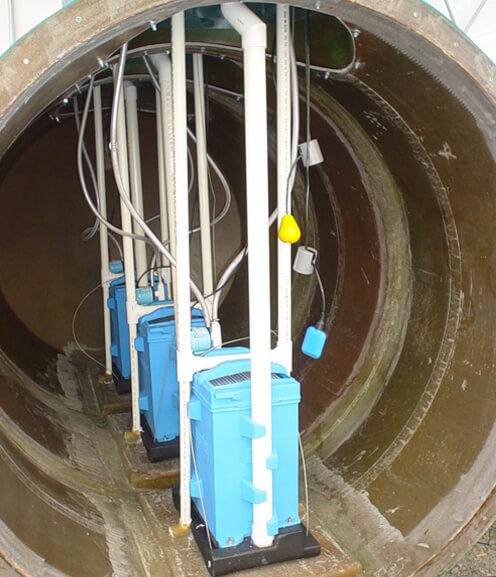
Aerobic septic system services are often used to support systems that use oxygen and active mechanical components to treat wastewater before dispersal. Conventional septic tanks rely largely on settling and anaerobic processes, while aerobic treatment adds air to support a different biological environment. That extra treatment can be useful on sites with particular discharge limits, soil constraints, or design goals. It also brings equipment, electricity, alarms, and service requirements that owners need to understand. The important question is not whether aerobic technology sounds more advanced. It is whether the approved design matches the property and can be operated consistently.
Air changes the treatment process
An aerobic system typically includes a treatment chamber where air is introduced so aerobic microorganisms can process organic material. Clarification and additional treatment or disinfection may follow, depending on the approved system and discharge method.
The blower or aerator is not an optional accessory. When air delivery stops, treatment conditions change. That is why controls, alarms, and routine service are central to ownership. A silent alarm or unplugged component should not be ignored. An aerobic treatment unit should be selected and operated according to its approval, design flow, manufacturer instructions, and local requirements. Similar-looking tanks can have very different internal processes.
What aerobic septic system services include
Service may involve checking air delivery, pumps, alarms, control panels, filters, sludge levels, distribution, disinfection equipment where used, and the final dispersal area. The exact tasks and frequency depend on the system, permit, loading, and service agreement.
Owners should receive written reports rather than a sticker with a date. A useful report identifies what was inspected, readings or observations, maintenance performed, parts replaced, and follow-up recommended. Keep those records with the permit and installation documents. Access must remain clear. Do not bury lids, block panels, landscape over components, or park vehicles where they can damage the system. Service technicians need safe access even when the yard design changes.
Electricity and alarms need attention
Unlike a completely passive tank, aerobic treatment depends on powered equipment. A power outage, tripped breaker, failed motor, damaged float, or control problem may trigger an alarm or interrupt treatment. Owners should know what each alarm signal means and whom to call.
Do not repeatedly reset a breaker or silence an alarm without finding the cause. Limit wastewater use when instructed and follow the service provider’s response steps. The system may have temporary storage, but that capacity is not unlimited. The term ATU units is often used casually, yet every unit has specific electrical, hydraulic, and maintenance needs. Keep model numbers and service contacts near the control panel or in an accessible property file.
Daily habits still affect performance
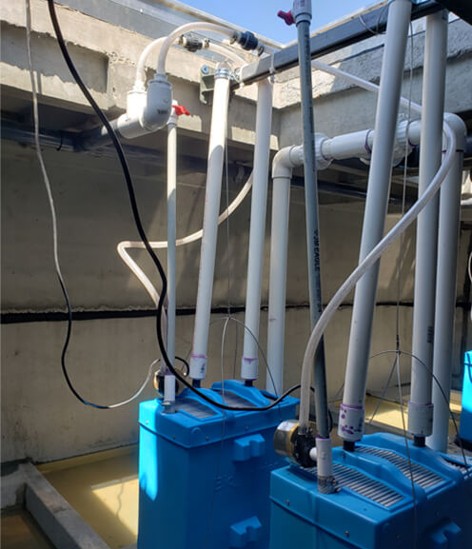
Biological treatment responds to what enters the drains. Avoid wipes, grease, solvents, paint, medications, harsh chemicals, and other materials not intended for the system. Fix leaking toilets and faucets so unnecessary flow does not consume treatment capacity.
Normal household cleaning products should be used as directed, but sudden large chemical discharges can disrupt biology. Home businesses, frequent guests, large soaking tubs, and repeated laundry days may also change loading. Tell the service provider when occupancy or use changes substantially. An alternative septic systems company should explain operating limits in language residents can follow. A technically capable system still struggles when owners are never taught what the alarms and service schedule mean.
Installation is only the beginning
Design and installation should account for flow, wastewater characteristics, site conditions, climate, electrical service, discharge requirements, and maintenance access. Permits and approvals vary, so the authority with jurisdiction needs to be involved early. Professional advanced wastewater treatment systems installation should include startup, testing, and owner orientation. Ask who verifies that air delivery, pumps, controls, and distribution operate as designed before the system is placed into regular service.
The service agreement deserves review before purchase. Understand visit frequency, sampling, replacement parts, alarm response, travel charges, and owner responsibilities. A lower installation price can be misleading when long-term service needs are omitted. Budget for electricity and eventual component replacement along with scheduled visits. Ask which parts are commonly stocked locally and how quickly a technician can respond after an alarm. Remote properties may need a different contingency plan than sites near a service center. The owner should also know whether an annual contract is required by permit or warranty and which reports must be submitted to local authorities.
Troubleshooting starts with the whole system
Odors, alarms, slow drains, unusual noise, surfacing water, or poor effluent quality can have different causes. A failed blower is one possibility, but loading, sludge, pumps, blockages, distribution, or the dispersal area may also contribute. When broader septic system repair services are needed, the aerobic unit should be evaluated alongside the tank, piping, and dispersal area. Replacing the aerator will not correct a crushed line or saturated soil. Likewise, excavating a drainfield before confirming treatment and dosing performance can miss the source. Coordinated diagnosis helps prevent one contractor from treating each component as an unrelated problem.
Good aerobic septic system services examine the process rather than swapping a part based on one symptom. The technician should explain what failed, why the proposed correction fits, and whether another component needs monitoring. Reliable aerobic septic system services also help owners plan for wear. Motors, diffusers, pumps, controls, and other components do not last forever. Knowing the likely service path makes an aerobic system easier to manage without pretending it is maintenance-free.
FAQs
Does an aerobic treatment unit need electricity?
Yes, aerobic systems typically use powered equipment to introduce air and may use pumps or controls. Follow the approved design and manufacturer instructions, and know how to respond when power or an alarm indicates a problem.
Can I turn off the aerator when the property is vacant?
Do not shut down equipment without guidance from the manufacturer, designer, or service provider. Biological treatment and restart procedures vary, and an improper shutdown can affect performance.
How often are aerobic septic system services needed?
Frequency depends on the system, permit, local rules, loading, and service agreement. Use the required schedule and arrange additional service when alarms, odors, unusual sounds, backups, or surfacing water appear.
Dealing with Wastewater? Let’s Keep It Simple. You can phone us at 800-753-3278 or get in touch with us here.

If you’re tired of systems that break down, cost a fortune, or just don’t make sense, we hear you.
At BioMicrobics, we build treatment systems that work the way they should. No fluff, no confusing setup.
Simply clean water.
We can help you find out what works best for your house, small company, or even your whole town.