Skip to content

Multi-Family Non-Sewer Wastewater Treatment Company—Most property owners want to know what really happens behind the scenes when their building isn’t connected to a sewer line. And it makes sense. When you rely on a multi-family non-sewer wastewater treatment company for something this important, you want to understand the process, the equipment, and what “treatment” actually means for day-to-day living.
People picture complicated machinery tucked away somewhere, but the reality is calmer. These systems work quietly. They fit the flow of real life. And they solve a problem many buildings face when city infrastructure isn’t an option.
- How Treatment Happens on the Property
- Why Multi-Family Treatment Needs a Different Design
- How Technology Keeps the System Simple for Residents
- How Aerobic Technology Fits Into Multi-Family Treatment
- What Happens When Something Goes Wrong
- Why More Properties Are Choosing Onsite Treatment
- Final Thought on How It All Works
How Treatment Happens on the Property
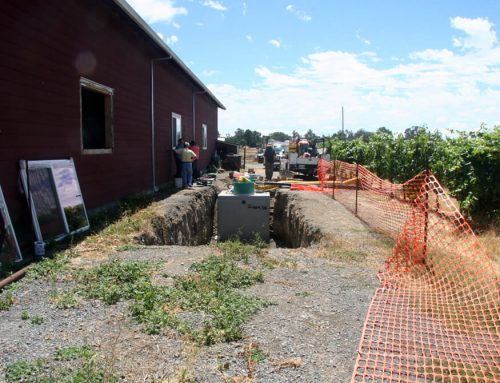
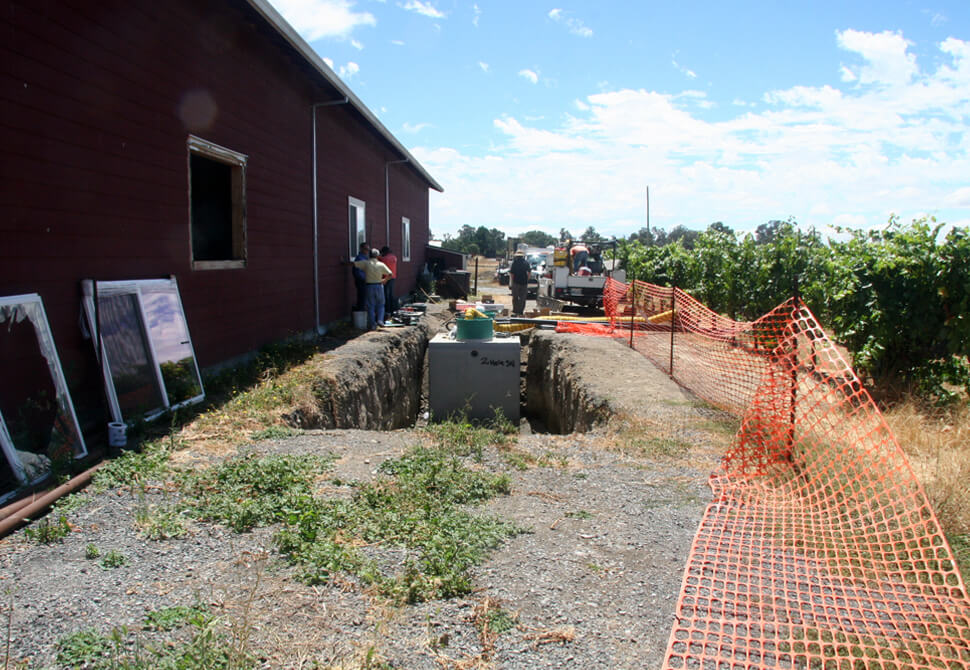
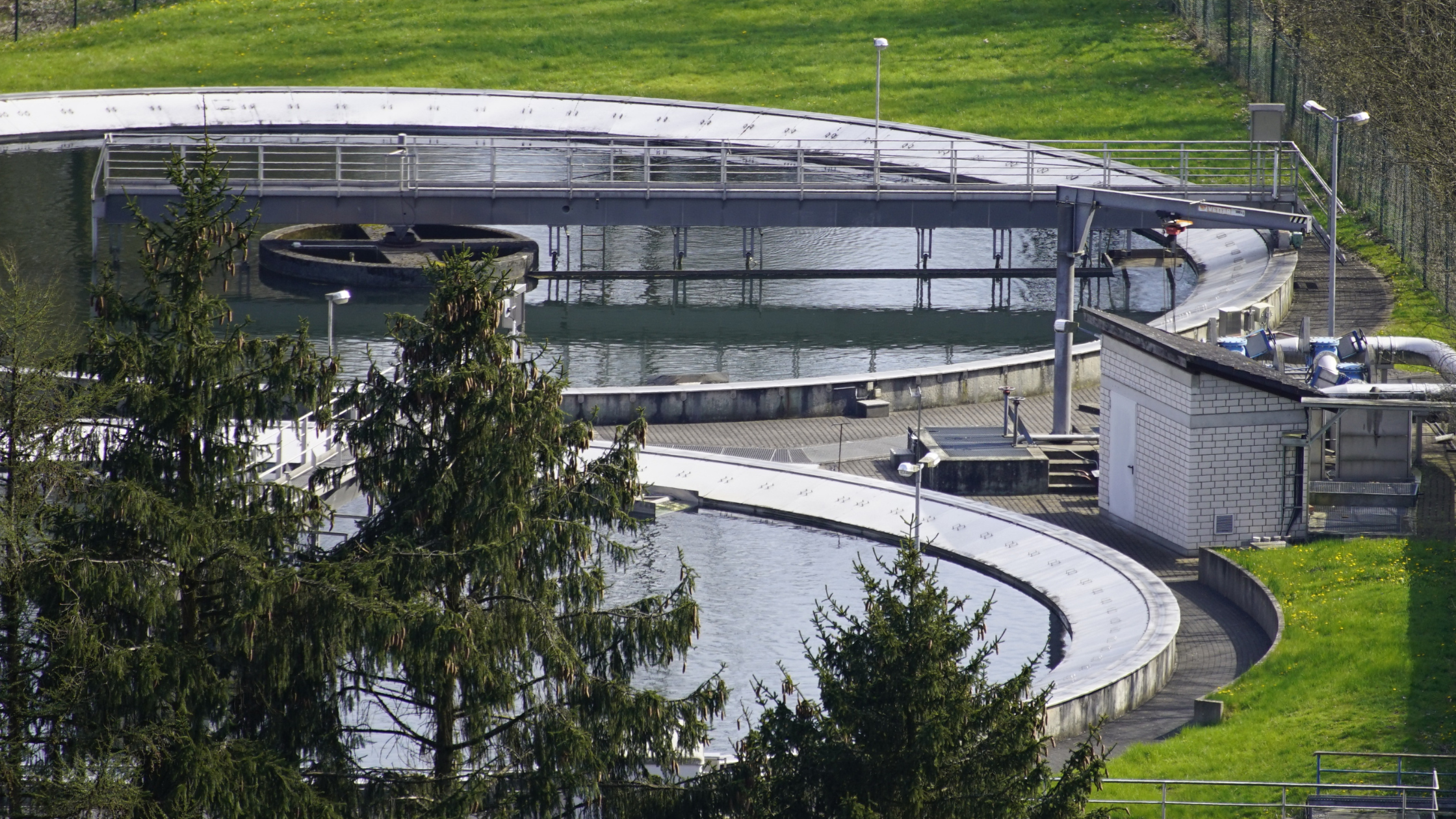
A lot of folks assume wastewater treatment requires a massive plant, but a multi-family setup does the same job on a smaller, smarter scale. The system takes the water people use all day and moves it through staged treatment inside the property footprint. Nothing is rushed. Nothing is left untreated. It’s steady, predictable work.
Most people compare this approach to what a residential non-sewer wastewater treatment company does for single homes. The idea is similar. You’re just doing it for more people who share walls, parking lots, laundry rooms, and pipes.
Why Multi-Family Treatment Needs a Different Design
This is where the “multi-family” part really matters. Water use doesn’t stay even throughout the day. Mornings spike. Evenings spike. Weekends spike. Small fluctuations stack up quickly.
So the company building the system has to account for that rhythm right from the start. This isn’t a “drop-in” solution. It’s engineered for the building’s pattern. Apartments and condos need flexibility in ways offices or commercial spaces don’t. And that’s why you’ll often see communities comparing their options with a commercial non-sewer wastewater treatment company before realizing the difference in how people actually live and use water in a multi-family building.
How Technology Keeps the System Simple for Residents
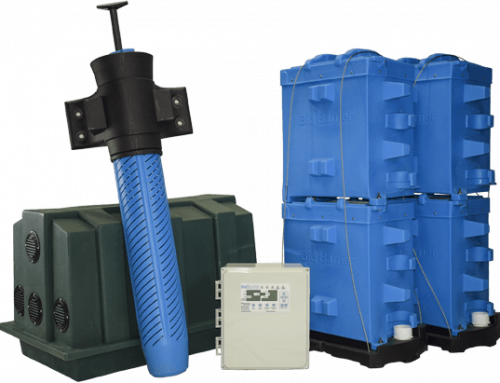
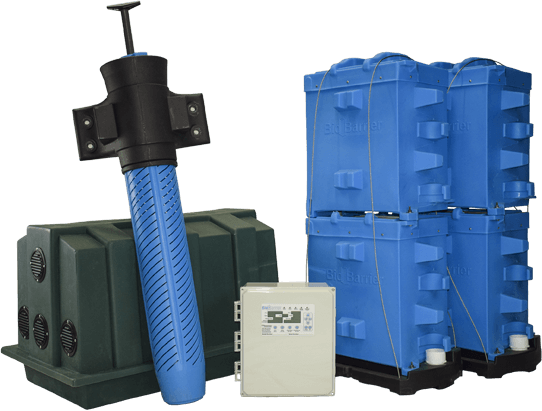
People always ask who has to manage everything. The answer is: very little hands-on work is needed. The treatment process uses equipment designed for reliability and long-term service cycles. The best systems operate quietly, underground or in a small footprint, and are monitored through simple controls.
Treatment happens in stages, each one doing its own job so the next one works better. It feels complex on paper, but to the building owner, it feels surprisingly routine. That’s one of the reasons people also look at centralized options like a wastewater treatment system company and then realize the onsite approach solves more problems than it creates.
How Aerobic Technology Fits Into Multi-Family Treatment
Another common question: “Do these systems use aerobic technology?”
Often, yes. Aerobic treatment speeds up the biological process and gives consistent results even when usage changes throughout the week. It’s one of the reasons multi-family systems stay stable.
People sometimes compare this to standalone systems they’ve seen from companies offering aerobic treatment units. The core idea is the same. You’re using oxygen to support the treatment process, making the system more efficient and predictable.
What Happens When Something Goes Wrong
This is the part everyone worries about. Fortunately, modern systems are built to avoid sudden failures. Most issues start small and can be corrected easily. Regular check-ins are simple. Technicians know how to read usage patterns and spot anything unusual.
And because multi-family buildings operate at a larger scale, it’s common for owners to rely on professionals who also handle septic system repair services for other types of onsite systems. The experience overlaps more than people think.
Why More Properties Are Choosing Onsite Treatment
The biggest shift is that onsite wastewater treatment isn’t seen as a last resort anymore. For many communities, it’s the smarter choice. Properties get independence from municipal limitations. They get predictable operation. They get a system built around how their residents actually use water.
And they get the support of a multi-family non-sewer wastewater treatment company that understands long-term planning, growth, and the real life of a shared living space.
Final Thought on How It All Works
In the end, the process is more straightforward than people expect. The system treats wastewater right on the property. It adjusts to how people live. It uses technology designed to keep everything consistent. And it gives owners control instead of relying on infrastructure that might not reach their location.
That’s why this question about multi-family non-sewer wastewater treatment company comes up so often. People want clarity. And once they understand how the process works, the onsite approach makes a lot more sense.
Dealing with Wastewater? Let’s Keep It Simple. You can phone us at 800-753-3278 or get in touch with us here.

If you’re tired of systems that break down, cost a fortune, or just don’t make sense—we hear you.
At BioMicrobics, we build treatment systems that work the way they should. No fluff, no confusing setup.
Simply clean water.
We can help you find out what works best for your house, small company, or even your whole town.