Skip to content

Fixing septic drainfield issues–Homeowners and property managers panic when something feels wrong with their drainfield. Maybe the yard feels soft. Maybe the grass is too green. Maybe there’s a slow drain that keeps coming back even after cleaning the line. So when people search “how do I fix this,” they end up asking what the best approach is for fixing septic drainfield issues. Then if it can be done without replacing the entire system.it can be done without replacing the entire system.
Most of the time, people aren’t even sure what part of the system is epically failing. They just know something doesn’t feel right. And catching the problem early makes all the difference.
- What Actually Causes Drainfield Problems
- How to Tell If the Drainfield Is the Real Problem
- What Fixing a Drainfield Usually Looks Like
- Why Aerobic Treatment Protects Your Drainfield
- When Businesses Run Into Drainfield Problems
- Why Acting Early Makes the Biggest Difference
- The Real Answer to the Question
What Actually Causes Drainfield Problems
A drainfield only fails for a few reasons, and most of them start long before there are signs on the surface. When wastewater isn’t treated enough before it reaches the soil, the field slowly clogs. When a tank isn’t maintained well, solids slip through. When a home or business starts using more water than the system was designed for, the soil can’t keep up.
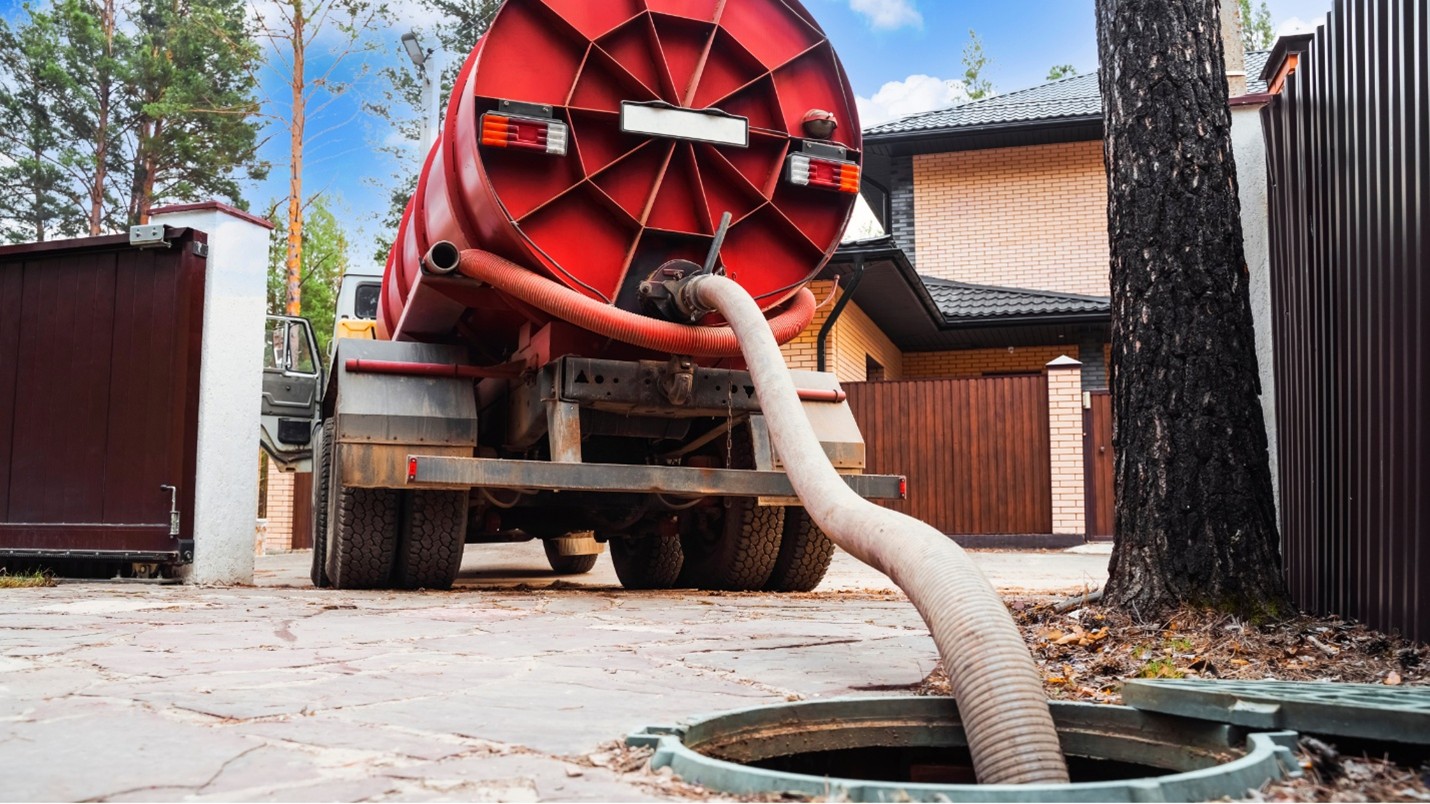
This is why septic system repair services often begin with a full evaluation instead of jumping straight into digging. The system needs to be checked as a whole, not one piece at a time.
How to Tell If the Drainfield Is the Real Problem
One of the biggest challenges is figuring out whether the issue is actually in the drainfield or somewhere else in the system. People often assume the worst, but sometimes the tank needs attention. Sometimes a pipe is blocked. And sometimes the distribution line is doing all the wrong things.
That’s why professionals start with septic tank and drainfield troubleshooting. They look for hints in how the water moves, how the lines behave, and how full the system is. The clues show up long before the ground gets soggy.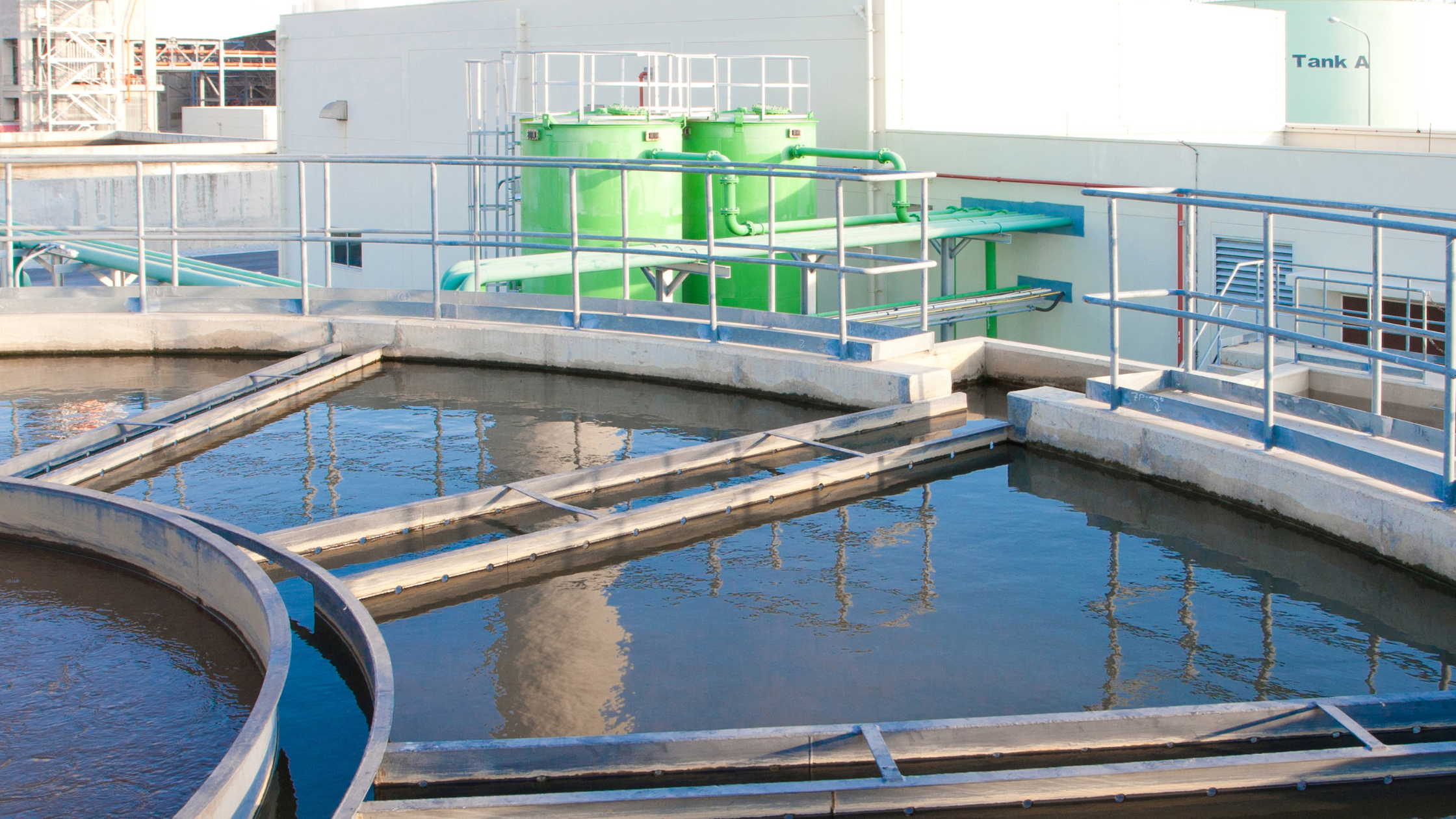
What Fixing a Drainfield Usually Looks Like
When people imagine repairing a drainfield, they picture a torn-up yard and a huge excavation. But that’s not where most repairs begin. Drainfields can often be restored by adjusting flow, breaking up biomat, improving aeration, or correcting a design issue that was overlooked years ago.
In cases where damage is severe or the soil is too far gone, the fix shifts into drainfield replacement and repair. But even then, the focus is on solving the actual cause so the new field lasts instead of repeating the same problem.
Why Aerobic Treatment Protects Your Drainfield
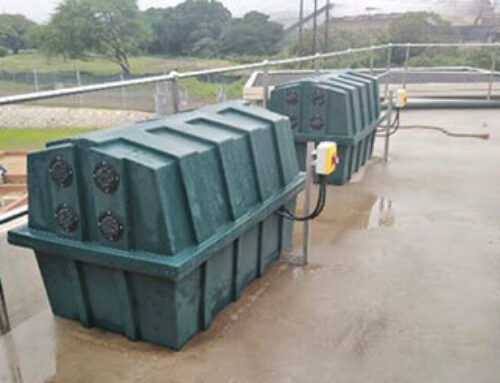
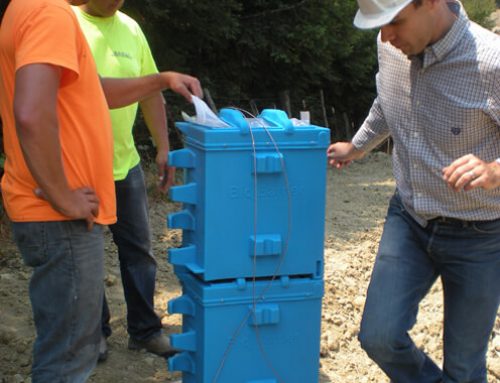
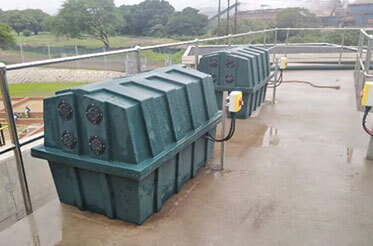
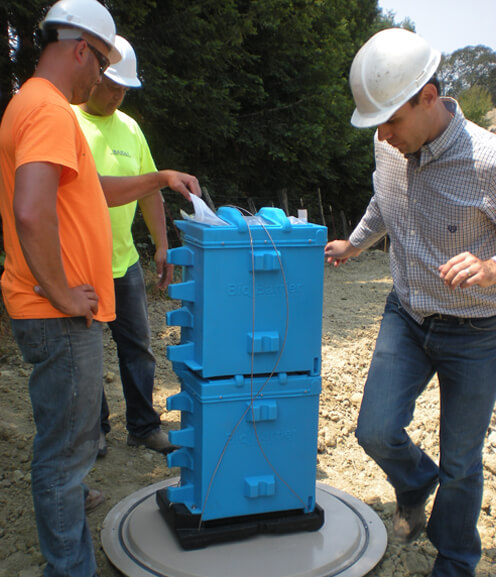
A big part of preventing future issues is improving the quality of the water before it reaches the soil. Systems that include an aerobic treatment unit usually have fewer drainfield failures because the water is already partly treated. Oxygen helps break down waste faster, which keeps solids out of the soil and reduces clogging.
Many properties upgrade to this type of system after a drainfield scare because it adds stability without changing the entire setup.
When Businesses Run Into Drainfield Problems
Homeowners aren’t the only ones who face this issue. Commercial properties deal with drainfield failures too, often because their wastewater is stronger than what the original system was designed to handle.
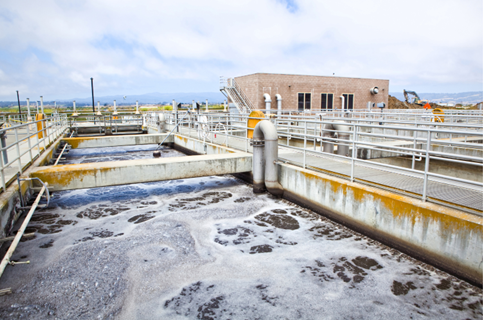
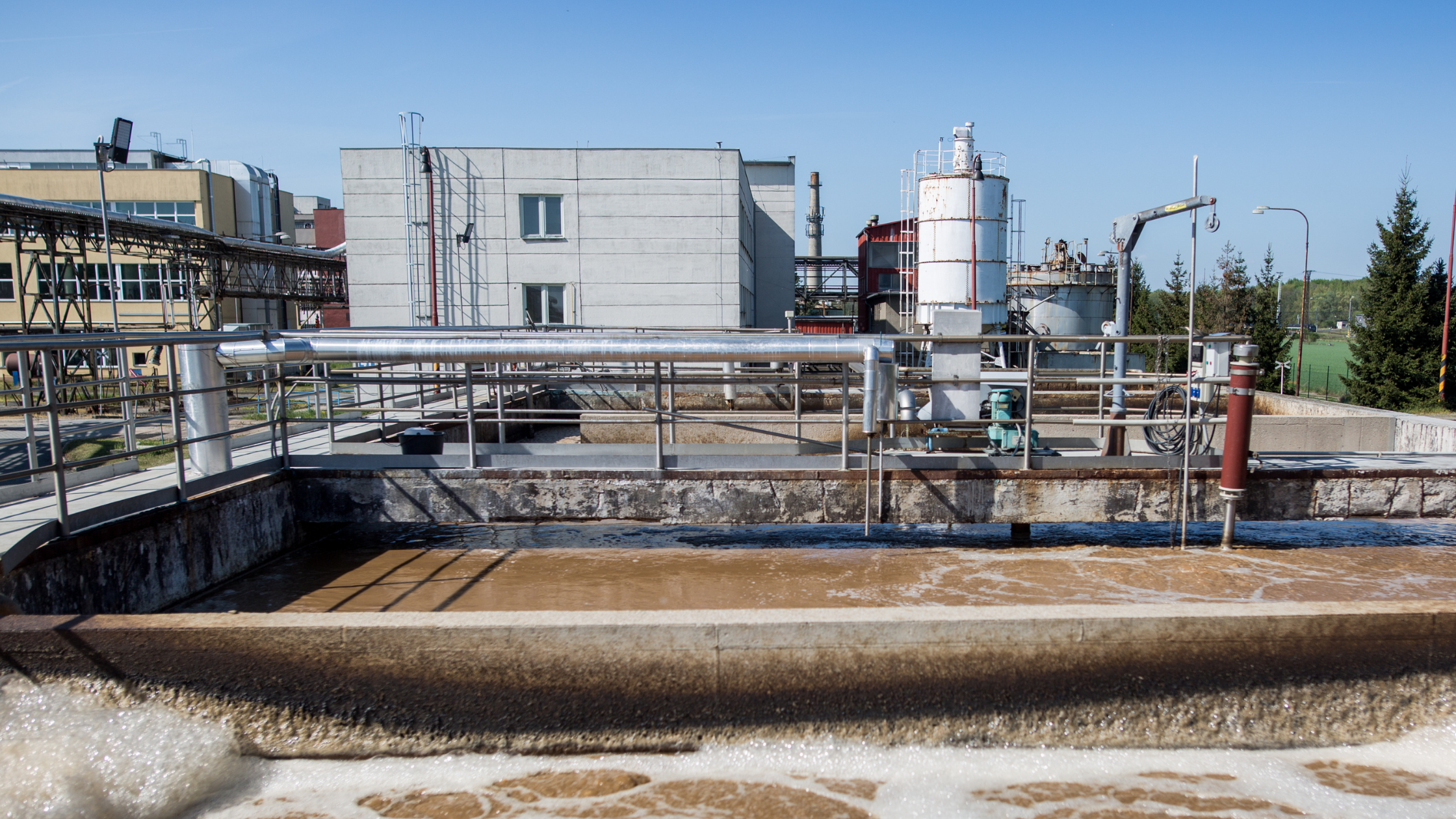
Restaurants, wineries, event venues, and small facilities often end up working with a commercial wastewater treatment system company when their drainfield slows down. Their water needs more treatment before it hits the soil, and aerobic or enhanced treatment becomes part of the long-term fix.
Why Acting Early Makes the Biggest Difference
The most important thing people learn when they start looking into fixing septic drainfield issues is that early action saves systems. A drainfield doesn’t collapse overnight. It gives warnings. Small slowdowns. Small wet spots. Small odors that come and go. Those early signs are repairable.
Once the soil is fully clogged, the job gets bigger, more expensive, and harder to recover from. That’s why the first hint of trouble should lead to a checkup instead of waiting to see if the issue goes away.
The Real Answer to the Question
The best way to go about fixing septic drainfield issuesissues is to figure out what’s causing them, treat the problem at the source, and strengthen the system so it doesn’t happen again. Whether it’s upgrading treatment, clearing blockages, restoring soil, redesigning the distribution, or replacing the drainfield entirely, the solution is always built on understanding the full system.
And the more people learn about how these systems work, the easier it becomes to spot problems early and keep everything running the way it should.
Dealing with Wastewater? Let’s Keep It Simple. You can phone us at 800-753-3278 or get in touch with us here.

If you’re tired of systems that break down, cost a fortune, or just don’t make sense—we hear you.
At BioMicrobics, we build treatment systems that work the way they should. No fluff, no confusing setup.
Simply clean water.
We can help you find out what works best for your house, small company, or even your whole town.