Skip to content

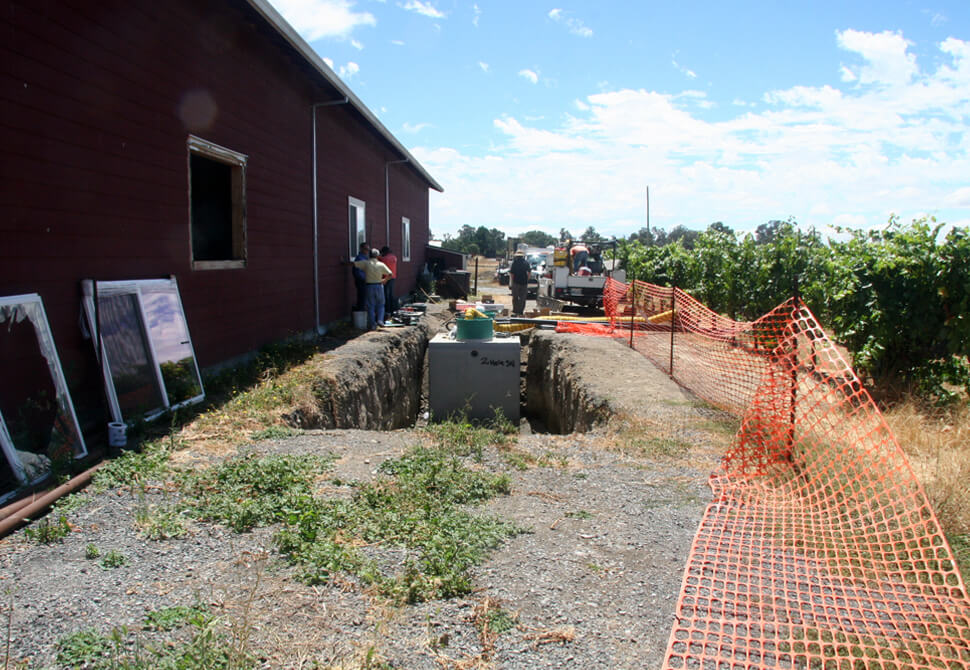
If you’ve been researching aerobic septic system services, you’ve probably noticed there are a lot of terms that sound similar but aren’t always explained very well. Homeowners often ask us whether an aerobic system is simply a different kind of septic system or if it’s designed for specific situations. The answer is a little more nuanced. At BioMicrobics, we believe understanding how these systems work—and why they’re recommended—helps property owners make more confident decisions about their wastewater treatment options.
- Why Are More Property Owners Asking About Aerobic Systems?
- How Does an Aerobic Septic System Work?
- When Is an Aerobic Septic System Recommended?
- Why Proper Maintenance Matters
- Looking at the Entire Wastewater System
- Why Choose BioMicrobics?
- Frequently Asked Questions
- Learn More About Aerobic Wastewater Treatment
Why Are More Property Owners Asking About Aerobic Systems?
For many years, a conventional septic system was the most common choice for homes that weren’t connected to a municipal sewer. While those systems continue to serve countless properties successfully, changing regulations, site conditions, and development patterns have increased interest in advanced treatment technologies.
We see that firsthand during conversations with homeowners, builders, and engineers. Someone may be planning to build on a smaller lot where soil conditions limit the use of a traditional system. Another property owner might be replacing an aging septic system and wants to understand whether an aerobic system would be a better long-term solution. The interesting part is that the conversation rarely starts with equipment. Instead, people want to know why one property qualifies for a conventional system while another requires additional treatment. That’s where understanding how an aerobic system works becomes valuable.
How Does an Aerobic Septic System Work?
A conventional septic system relies primarily on naturally occurring bacteria that thrive in low-oxygen environments to begin breaking down wastewater. An aerobic septic system introduces oxygen into the treatment process, encouraging a different type of beneficial bacteria to become more active. Those bacteria work efficiently to reduce organic material before the treated water moves through the rest of the wastewater treatment process.
We sometimes tell customers to think of oxygen as giving the treatment process an extra boost. While that’s a simplified explanation, it helps illustrate why aerobic systems are capable of producing a higher level of treatment under the right conditions. That doesn’t automatically make one system better than another. It simply means different properties have different treatment needs. Providing aerobic septic system services starts with understanding those needs instead of assuming every site requires the same solution.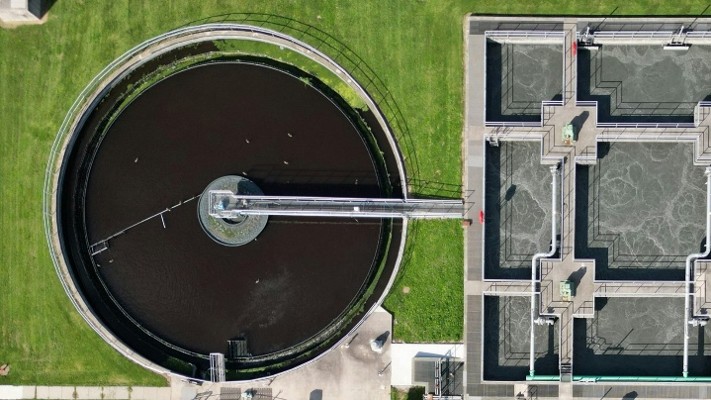
When Is an Aerobic Septic System Recommended?
One thing we’ve learned over the years is that every property has its own story. Two homes can sit on neighboring lots and still require different wastewater solutions. Soil composition, available space, groundwater levels, local regulations, and expected wastewater flow all influence system design. We’ve even seen situations where homeowners assumed they needed the same type of system as a nearby property, only to discover their site conditions were completely different. That’s why engineers and wastewater professionals spend so much time evaluating the property before recommending equipment.
An aerobic system is often selected because it provides additional treatment where environmental conditions or permitting requirements call for it. Rather than viewing it as an upgrade over every conventional septic system, it’s better to think of it as one of several treatment options available to match specific site conditions.
Why Proper Maintenance Matters
No matter which type of wastewater treatment system is installed, regular maintenance plays an important role in long-term performance. We’ve talked with homeowners who assumed they only needed service if something stopped working. In reality, routine inspections often identify small issues before they become expensive repairs. A float switch, air pump, or other component may simply need adjustment or replacement long before it affects the entire system.
When concerns do arise, addressing them early can help prevent larger problems that may eventually involve the drainfield. That’s one reason professional septic system repair services are so important. Identifying the source of a problem quickly often protects both the treatment system and the surrounding property. Maintenance also extends beyond the treatment unit itself. Depending on the condition of the system, homeowners may eventually require septic drain field repair services or leach field repair services if wastewater is no longer dispersing as intended. While those issues aren’t always related to the aerobic treatment process, they reinforce why regular inspections are worthwhile.
Looking at the Entire Wastewater System
One of the biggest misconceptions we encounter is that the treatment unit operates independently from the rest of the system. In reality, every component works together. The treatment process, plumbing, pumps, controls, piping, and drainfield all contribute to overall performance. If one part isn’t functioning properly, the rest of the system may eventually be affected.
For example, delaying septic system drainfield leach field repair can sometimes allow relatively minor problems to become more significant over time. Likewise, neglecting leach field installation and maintenance practices during the life of the system may reduce long-term performance. That’s why we encourage property owners to think about wastewater treatment as a complete system rather than focusing on a single component. A well-designed aerobic system performs best when every part of the installation is working together.
Why Choose BioMicrobics?
At BioMicrobics, we’ve spent decades developing advanced wastewater treatment technologies for residential, commercial, and decentralized applications. Throughout that time, we’ve learned that successful wastewater treatment isn’t about recommending the same equipment for every project. It’s about understanding how a property will actually function and matching the treatment approach to those conditions.
Our team works alongside engineers, designers, contractors, distributors, and property owners to help identify solutions that provide dependable, long-term performance. Whether someone is exploring aerobic septic system services for a new construction project or learning more about advanced wastewater treatment options, we believe informed decisions begin with practical education and experienced guidance.
Frequently Asked Questions
Is an aerobic septic system better than a conventional septic system?
Not necessarily. The right choice depends on the property’s soil conditions, environmental requirements, wastewater flow, and local regulations. Both systems have situations where they perform very well.
Do aerobic systems require more maintenance?
They typically require routine inspections because they include mechanical components that should be checked periodically. Staying on top of maintenance helps keep the system operating efficiently.
Can problems with the drainfield affect an aerobic system?
Yes. The treatment unit and drainfield work together as part of the same wastewater system. If the drainfield develops issues, they should be evaluated promptly to help protect overall system performance.
How do I know when it’s time to have my septic system inspected?
If you notice alarms, odors, slow drains, standing water, or other changes in system performance, scheduling an inspection is a good first step. Even without obvious problems, routine maintenance helps identify potential concerns before they become larger repairs.
Learn More About Aerobic Wastewater Treatment
Choosing the right wastewater treatment system starts with understanding how the options work. At BioMicrobics, we’re committed to helping homeowners, engineers, and contractors better understand advanced treatment technologies so they can make informed decisions with confidence. If you’d like to learn more about aerobic septic system services or discuss a specific project, our team is here to help.
Dealing with Wastewater? Let’s Keep It Simple. You can phone us at 800-753-3278 or get in touch with us here.

If you’re tired of systems that break down, cost a fortune, or just don’t make sense, we hear you.
At BioMicrobics, we build treatment systems that work the way they should. No fluff, no confusing setup.
Simply clean water.
We can help you find out what works best for your house, small company, or even your whole town.