Skip to content

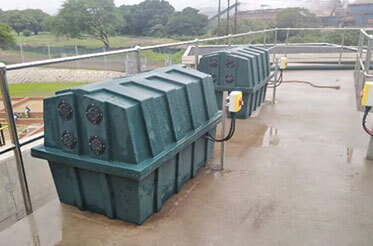
A conventional septic system can work well for many properties, but it is not the only option for treating wastewater onsite. Difficult site conditions, higher treatment requirements, recurring problems, or limitations with an existing system may lead a property owner to explore advanced treatment. At BioMicrobics, our aerobic septic system services and treatment technologies are designed around a simple idea: understand the wastewater and the site first, then determine which treatment approach makes sense.
- What Is an Aerobic Septic System?
- When Should You Consider Aerobic Treatment?
- When Your Property Has Challenging Site Conditions
- When an Existing Septic System Keeps Having Problems
- Can an Aerobic System Help a Drainfield?
- Repairing Versus Replacing a Leach Field
- When You Need a Higher Level of Wastewater Treatment
- When Your Household or Property Has Changed
- What Maintenance Does an Aerobic Septic System Need?
- Do You Still Need a Drainfield?
- How Do You Know Whether Aerobic Treatment Is Right for You?
- Choosing the Right Wastewater Treatment Approach
What Is an Aerobic Septic System?
A traditional septic tank primarily relies on settling and anaerobic biological processes. Solids settle in the tank, lighter materials rise, and wastewater moves on for additional treatment and dispersal. An aerobic treatment system adds oxygen to support aerobic microorganisms that break down organic material in wastewater. By creating an oxygen-rich biological environment, an aerobic treatment process can provide a higher level of treatment than primary treatment in a conventional septic tank alone. That distinction is important. An aerobic system is not simply a different type of septic tank. It is an active wastewater treatment process with components designed to create and maintain conditions that support biological treatment. Depending on the system, treated effluent then moves to an approved dispersal or reuse method in accordance with local requirements.
When Should You Consider Aerobic Treatment?
There is no single answer that applies to every property. Some homes may function perfectly well with conventional septic treatment and a properly designed drainfield. Other sites present challenges that make advanced treatment worth considering. You may want to discuss aerobic septic system services with a qualified wastewater professional when you are dealing with challenging site conditions, more stringent treatment requirements, limited space, recurring system issues, or a project where improved effluent quality is important. The key is determining what problem the system needs to solve.
When Your Property Has Challenging Site Conditions
The soil and physical characteristics of a property play an important role in onsite wastewater management. Available space, soil conditions, groundwater, topography, setbacks, and other site characteristics can influence what type of treatment and dispersal system can be used. Local regulations also determine what is permitted. For some challenging sites, advanced treatment may become part of the solution because improving wastewater quality before final dispersal can provide additional design options. That does not mean aerobic treatment makes every difficult property suitable for development. The complete site still needs to be evaluated by the appropriate professionals. At BioMicrobics, we believe treatment technology should work as part of the site’s overall wastewater plan rather than being treated as a shortcut around proper design.
When an Existing Septic System Keeps Having Problems
Recurring septic problems deserve investigation. If a property owner repeatedly experiences backups, odors, wet areas, or drainfield concerns, simply fixing the immediate symptom may not solve the underlying problem. Before replacing equipment or changing treatment technologies, the system should be evaluated to determine what is happening. Professional septic system repair services may identify problems involving hydraulic overloading, damaged components, inadequate maintenance, changes in property use, or treatment performance. If the underlying issue involves wastewater quality or a treatment system that no longer fits the property’s needs, an advanced aerobic treatment approach may be worth discussing. The important point is not to assume. Diagnose first.
Can an Aerobic System Help a Drainfield?
This is one of the most important questions property owners ask. A drainfield receives wastewater after it has passed through the preceding treatment components. Improving the quality of that wastewater can potentially reduce the organic load reaching downstream dispersal components, depending on system design and site conditions. However, an aerobic treatment unit should not be presented as a guaranteed fix for a failed drainfield. If you are considering septic drain field repair services, the existing field needs to be evaluated. Physical damage, hydraulic overload, site drainage, soil conditions, biomat development, system age, and other factors can all contribute to problems. Adding advanced treatment does not magically reverse every form of drainfield failure. That is why we recommend understanding the cause before deciding on the solution.
Repairing Versus Replacing a Leach Field
Drainfield trouble can quickly make homeowners assume that complete replacement is their only option. Sometimes replacement is necessary. Other situations may require a different approach. When researching leach field repair services, ask the wastewater professional what evidence indicates that the field has failed and what caused the failure. This becomes especially important when evaluating septic system drainfield leach field repair alongside advanced treatment options. If poor-quality effluent or excessive organic loading contributed to the problem, improving treatment upstream may be relevant to the overall wastewater strategy. If the field is physically damaged or the site has other significant limitations, different corrective measures may be required. Every system should be evaluated individually.
When You Need a Higher Level of Wastewater Treatment
Some properties need more than basic primary treatment. Local regulations, environmental conditions, site limitations, or project goals may require improved effluent quality before wastewater reaches final dispersal. This is an area where aerobic biological treatment can provide an important advantage. By supplying oxygen and maintaining an environment for aerobic microorganisms, these systems are designed to provide enhanced treatment of wastewater before it leaves the treatment unit. That is one reason aerobic septic system services may be considered for properties where conventional treatment alone does not meet the needs of the project. The required treatment level should always be determined based on applicable regulations and site-specific conditions.
When Your Household or Property Has Changed
Septic systems are designed around anticipated wastewater flows and conditions, but properties do not always stay the same. Maybe a home originally designed for a small family now has more occupants. Perhaps an addition created another bedroom or bathroom. A guest house may have been added, or the property’s water use may simply be much higher than it was when the septic system was installed. Those changes can affect wastewater loading. If problems started after the property changed, tell the wastewater professional. That information can be extremely useful when determining whether the problem involves capacity, treatment, dispersal, or another part of the system. An aerobic treatment system may be one option to evaluate, but system sizing and downstream dispersal capacity still matter. Better treatment does not eliminate the need to account for actual wastewater flow.
What Maintenance Does an Aerobic Septic System Need?
Aerobic treatment systems generally contain more active treatment components than a basic septic tank, so maintenance is an important consideration. Depending on the system, components may include aeration equipment, pumps, controls, alarms, filters, or other treatment elements. These need to remain operational for the system to perform as intended. Before installing an aerobic system, ask:
- What routine maintenance is required?
- How often should the system be inspected?
- Are there mechanical components that require servicing?
- What alarms or controls should the homeowner understand?
- How often should solids be removed?
- Who is qualified to service the system?
- What maintenance records should be kept?
A wastewater treatment system should be selected with long-term ownership in mind, not simply installation day.
Do You Still Need a Drainfield?
In many onsite applications, treated wastewater still requires an approved final dispersal method. The exact configuration depends on system design, site conditions, local regulations, and the quality of the treated effluent. This is why leach field installation and maintenance remains an important part of the overall conversation even when advanced treatment is used. Treatment and dispersal work together. Improving treatment does not mean the final dispersal component can simply be ignored. Property owners should understand how both parts of the system function and what each requires over the long term.
How Do You Know Whether Aerobic Treatment Is Right for You?
Start by looking at the problem you are trying to solve. If an existing system is failing, determine why. If you are building on a challenging site, understand the site’s limitations. If regulations require a certain treatment level, identify those requirements before choosing equipment. Then compare treatment options. At BioMicrobics, we do not believe the answer should automatically be “install more equipment.” Wastewater treatment works best when technology is appropriately matched to the application. Our approach is to consider wastewater flow, treatment requirements, site conditions, system operation, maintenance expectations, and long-term performance together.
Choosing the Right Wastewater Treatment Approach
An aerobic treatment system can be a valuable option for properties that need advanced onsite wastewater treatment, but it should be selected for the right reasons. Challenging sites, higher treatment requirements, changing property use, and recurring wastewater problems can all create reasons to explore aerobic septic system services. What matters most is understanding the existing conditions before deciding how to move forward. At BioMicrobics, we develop advanced decentralized wastewater treatment technologies for residential and commercial applications. Whether you are evaluating a new system or trying to understand problems with an existing one, our goal is to help connect the treatment technology to the actual wastewater challenge. Before assuming your septic system needs complete replacement, have the system evaluated. A better understanding of what is happening—from the treatment process through the drainfield—can help determine the most appropriate long-term solution for your property.
Dealing with Wastewater? Let’s Keep It Simple. You can phone us at 800-753-3278 or get in touch with us here.

If you’re tired of systems that break down, cost a fortune, or just don’t make sense, we hear you.
At BioMicrobics, we build treatment systems that work the way they should. No fluff, no confusing setup.
Simply clean water.
We can help you find out what works best for your house, small company, or even your whole town.