Skip to content


Most homeowners don’t think much about their drainfield until something changes. Maybe the grass is suddenly greener in one spot, the sinks start draining a little slower, or there’s an odor outside that wasn’t there before. We’ve had plenty of homeowners call us wondering if those little changes mean they need a whole new septic system. The truth is, that’s not always the case. In many situations, fixing septic drainfield issues early can prevent larger repairs and help your septic system continue working the way it should.
Why Should You Take Drainfield Problems Seriously?
One thing we’ve learned over the years is that septic systems usually give you a warning before they fail. We’ve had customers call because they noticed one slow drain or a damp area in the yard that didn’t seem like a big deal. Other homeowners waited several months, hoping the problem would work itself out. More often than not, it didn’t.
The sooner you understand what’s causing the issue, the better your chances of fixing it before it affects the rest of the system. That’s why we always recommend paying attention to changes, even if they seem small.
Every property is a little different, but we tend to see the same warning signs over and over again. Some of the most common include:
- Drains that empty slower than normal
- Toilets that back up unexpectedly
- Gurgling sounds from plumbing fixtures
- Wet or soggy ground near the drainfield
- Grass that’s noticeably greener in one area
- Sewage odors outside the home
- Standing water where it shouldn’t be
None of these automatically means your drainfield has failed, but they’re all good reasons to have the system looked at before the problem gets worse.
What Causes Drainfield Problems?
There usually isn’t just one answer. We’ve seen drainfields affected by years of normal use, heavy rainfall, compacted soil, tree roots, poor drainage, and even simple maintenance that was put off for too long. We’ve also worked with homeowners who assumed their drainfield had failed when the real problem was something much smaller somewhere else in the system. That’s why fixing septic drainfield issues should always begin with understanding what’s actually causing the symptoms instead of jumping straight to a repair.
Can a Drainfield Be Saved?
Many homeowners are relieved when we tell them replacement isn’t always necessary. Depending on the condition of the system, septic drainfield restoration may be enough to restore proper performance. We’ve seen homeowners prepare themselves for a complete replacement, only to learn that the drainfield could be restored because the issue was caught early. Every system is different, though. Soil conditions, system age, and the overall health of the drainfield all play a role in deciding which option makes the most sense.
How Do We Figure Out What’s Wrong?
Before we recommend any repair, we want to understand what the system is doing. That usually means taking a close look at:
- The symptoms you’ve noticed
- The age and history of the septic system
- Wastewater flow
- Visible components
- The condition of the drainfield
- Site conditions around the property
We’ve found homeowners appreciate knowing what’s actually happening before we start talking about repairs. It makes the entire process less stressful because they understand why we’re recommending a particular solution.
What Repair Options Are Available?
Not every drainfield problem needs the same repair. Sometimes targeted septic drain field repair services are all that’s needed to restore proper function. Other times, improving drainage, repairing damaged components, or restoring part of the drainfield is the better solution. Our approach is pretty simple. We recommend the repair that fits the condition of the system, not the biggest repair we can sell.
Do Different Septic Systems Require Different Repairs?
Absolutely. Some homes have conventional septic systems, while others use advanced treatment systems because of soil conditions or local requirements. As an alternative septic systems company, we’ve worked with many different types of systems over the years. That experience helps us understand how each design operates and why certain repairs make more sense than others. Every system works a little differently, which is another reason we avoid making assumptions before evaluating the property.
What If You Have an Aerobic Septic System?
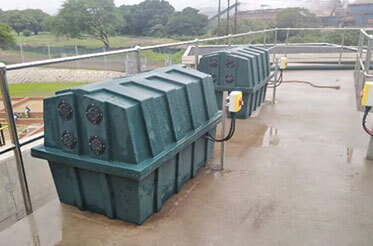
Aerobic systems have additional components that help treat wastewater, so maintenance looks a little different than it does with a conventional system. Our aerobic septic system services include helping homeowners keep those systems operating properly while identifying small issues before they become expensive repairs. Whether your property has a traditional septic system or an aerobic one, regular inspections usually catch problems much earlier than waiting for a complete failure.
Can a Leach Field Be Repaired?
In many cases, yes. We’ve worked with homeowners who thought their only option was replacing the entire drainfield when the problem was isolated to one section. Professional leach field repair services can often correct those issues without replacing the entire system. That’s why we always inspect the whole drainfield before recommending major work. Catching the problem early often gives homeowners more options.
Why Is It Better to Fix Problems Early?
We’ve seen what happens when homeowners wait too long. A repair that might have been fairly straightforward can turn into a much larger project simply because the problem continued spreading. Addressing issues early often means:
- Lower repair costs
- Better system performance
- Longer septic system life
- Fewer unexpected emergencies
- Greater confidence that the system is working properly
Those are benefits every homeowner can appreciate.
Who Should Have Their Drainfield Inspected?
We’ve helped all kinds of property owners over the years. Drainfield inspections are often worthwhile for:
- Rural homeowners
- Lakefront properties
- Older septic systems
- Newly purchased homes
- Seasonal cabins
- Homeowners noticing drainage changes
- Anyone experiencing recurring septic concerns
Every property has different soil conditions, water usage, and system history. That’s why every inspection starts with understanding your specific situation instead of assuming every property has the same problem.
Why Choose Our Team?
One thing we’ve learned after helping homeowners with septic systems is that people aren’t usually looking for the biggest repair. They’re looking for an honest answer.
We take the time to understand what’s happening, explain what we find in plain language, and recommend solutions that make sense for your property. Whether the answer is fixing septic drainfield issues, restoring part of the system, or recommending additional repairs, our goal is to help you make a decision you feel confident about.
FAQs About Drainfield Repairs
Can every drainfield be repaired?
Not always. Some systems respond well to repairs or septic drainfield restoration, while others may need more extensive work because of age or long-term damage.
What are the first signs of drainfield problems?
Slow drains, wet spots in the yard, unpleasant odors, standing water, and recurring plumbing backups are all signs your septic system should be evaluated.
How can I help my drainfield last longer?
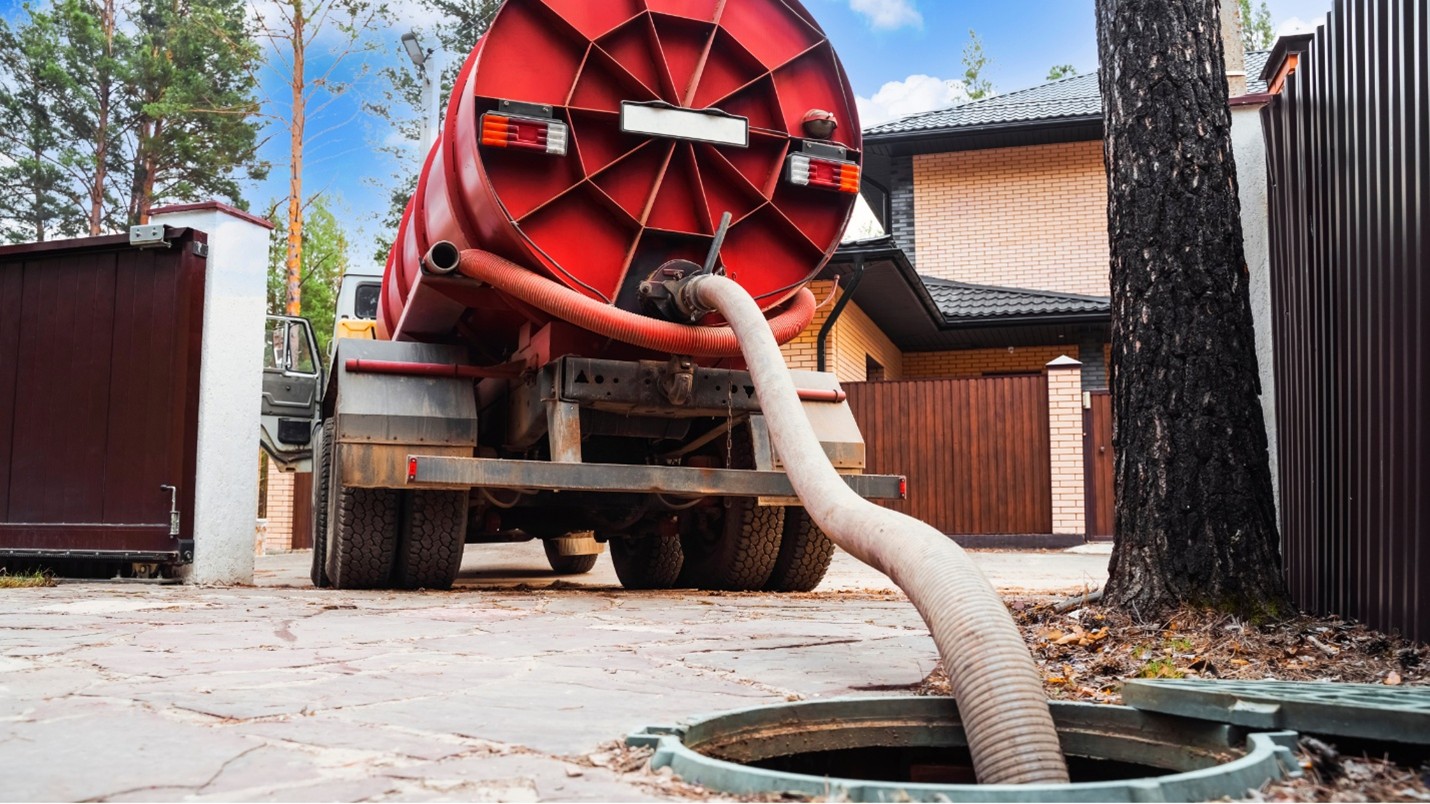
Routine septic tank pumping, regular inspections, responsible water use, and addressing small concerns early all help extend the life of your drainfield.
When should I call a professional?
If you’re noticing changes in how your septic system performs, it’s usually worth having it inspected sooner rather than later. Small problems rarely become smaller with time.
Ready to Protect Your Septic System?
If you’re concerned about fixing septic drainfield issues, don’t wait until a minor problem becomes a major repair. We’d be happy to inspect your system, explain what we find, and help you choose the solution that makes the most sense for your property.

Dealing with Wastewater? Let’s Keep It Simple. You can phone us at 800-753-3278 or get in touch with us here. If you’re tired of systems that break down, cost a fortune, or just don’t make sense, we hear you.
At BioMicrobics, we build treatment systems that work the way they should. No fluff, no confusing setup. Simply clean water. We can help you find out what works best for your house, small company, or even your whole town.