Skip to content

Most homeowners don’t spend much time thinking about their leach field until something changes. Maybe the drains inside the house seem slower than usual. Maybe you’ve noticed standing water in part of the yard or an odor that wasn’t there before. We’ve had homeowners call us wondering if their septic system suddenly failed overnight. In our experience, that’s rarely what happens. Most leach field problems develop gradually, and recognizing the early signs gives you a better chance of avoiding larger repairs. In many cases, leach field repair services can correct the problem before it affects the rest of the septic system.
Why Do Leach Fields Develop Problems?
One thing we’ve learned over the years is that a leach field doesn’t usually stop working for just one reason. It’s often a combination of factors that build up over time. We’ve worked with homeowners whose systems performed well for years before a small issue slowly turned into a larger one. We’ve also seen situations where a change in water usage or a lack of routine maintenance put more strain on the system than it was designed to handle. The sooner the cause is identified, the easier it often is to protect the rest of the septic system.
What Are the First Signs Something Isn’t Right?
Every property is different, but we tend to hear the same concerns from homeowners. Some of the most common warning signs include:
- Drains that empty more slowly than normal
- Toilets that back up unexpectedly
- Gurgling sounds from sinks or showers
- Wet or soggy areas around the drainfield
- Grass that’s noticeably greener in one section of the yard
- Sewage odors outside the home
- Standing water near the leach field
None of these signs automatically means you’ll need major repairs, but they’re good reasons to have the system evaluated before the problem becomes more serious.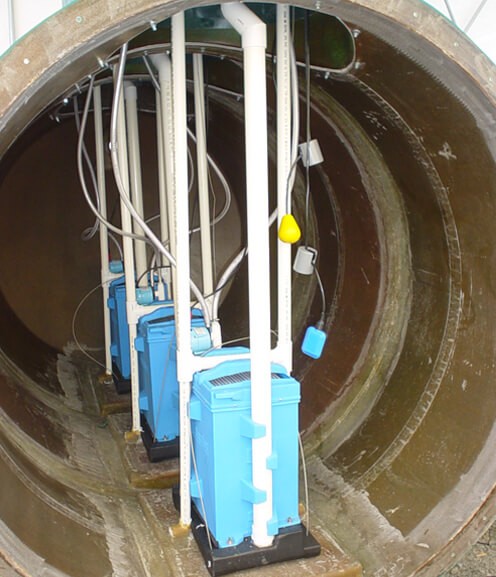
What Are the Most Common Causes of Leach Field Failure?
Normal wear is certainly one possibility, but it’s far from the only one. We’ve seen leach fields affected by:
- Excessive household water use
- Poor drainage around the property
- Compacted soil
- Tree root intrusion
- Solids leaving the septic tank
- Lack of routine maintenance
- Aging system components
Sometimes several of these factors are working together. That’s why we don’t like making repair recommendations until we’ve had the opportunity to evaluate the entire system.
Can a Leach Field Be Restored?
Many homeowners assume the only solution is replacing the entire drainfield. Fortunately, that’s not always the case. Depending on the condition of the system, septic drainfield restoration may be a practical option. We’ve worked with homeowners who expected a complete replacement but discovered their drainfield could continue performing well after addressing the underlying issue. Every property is different, though. Soil conditions, system age, and the overall condition of the drainfield all influence what makes the most sense.
How Do We Figure Out What’s Actually Causing the Problem?
Before recommending repairs, we want to understand exactly what’s happening. That usually means looking at the entire septic system rather than focusing on one symptom. Our evaluation may include:
- Discussing the problems you’ve noticed
- Reviewing the history of the system
- Evaluating wastewater flow
- Inspecting visible components
- Looking at the condition of the drainfield
- Identifying possible causes before recommending repairs
Careful septic tank and drainfield troubleshooting helps us separate the symptoms from the actual problem. We’ve found homeowners appreciate understanding what’s happening before making repair decisions.
When Is Repair a Better Option Than Replacement?
This depends on the condition of the drainfield. If the problem is isolated and the system is otherwise in good shape, professional leach field repair may restore proper performance without replacing the entire drainfield. We’ve worked with homeowners who were relieved to learn they had more than one option. On the other hand, we’ve also seen situations where waiting too long limited those options. That’s one reason we encourage homeowners to investigate changes early instead of hoping they’ll disappear on their own.
Do Different Septic Systems Require Different Repairs?
Yes. Some homes use conventional septic systems, while others rely on advanced treatment systems because of soil conditions or local requirements. Our aerobic septic system services help homeowners maintain and repair aerobic systems that include additional treatment components. Although these systems operate differently, the same basic principle applies. Identifying small issues early is usually much easier than dealing with a complete system failure later. Understanding how each type of system works helps us recommend repairs that fit the property’s specific needs.
Why Is Early Repair So Important?
We’ve seen firsthand how quickly a small concern can become a much larger project. A homeowner who addresses a slow drain or damp area early often has more repair options than someone who waits until wastewater begins backing up into the house. Prompt leach field repair services can help:
- Reduce the likelihood of larger repairs
- Improve overall system performance
- Extend the life of the drainfield
- Protect nearby soil and groundwater
- Give homeowners greater confidence in their septic system
Those are benefits that make early action worthwhile.
Who Can Benefit From a Professional Drainfield Evaluation?
We’ve worked with many different types of property owners over the years. Drainfield evaluations are often beneficial for:
- Rural homeowners
- Lakefront properties
- Older septic systems
- Newly purchased homes
- Seasonal residences
- Homeowners experiencing recurring drainage issues
- Properties with changing wastewater demands
Every property has its own challenges, which is why we believe every inspection should begin with understanding the property before recommending repairs.
Why Choose Our Team?
One thing we’ve learned after helping homeowners with septic systems is that most people aren’t looking for the biggest repair. They’re looking for an honest explanation of what’s happening and the best way to fix it.
We take the time to inspect the system, answer your questions, and explain our recommendations in plain language. Whether the solution involves septic system drainfield leach field repair, restoration, or additional maintenance, our goal is to recommend what’s right for your property rather than applying the same solution to every situation.
FAQs About Leach Field Problems
What causes a leach field to stop working?
Leach fields can be affected by aging components, excessive water use, poor drainage, compacted soil, root intrusion, and lack of maintenance. A professional evaluation helps determine the actual cause.
Can a leach field be repaired?
In many situations, yes. Professional leach field repair may restore proper performance depending on the condition of the system.
Is restoration better than replacement?
Sometimes. Septic drainfield restoration can be an excellent option when the drainfield is still structurally sound and the underlying issue can be corrected.
When should I schedule an inspection?
If you’ve noticed slow drains, wet spots, unpleasant odors, or recurring plumbing problems, it’s usually best to have the system evaluated before the issue becomes more serious.
Ready to Find Out What’s Causing Your Drainfield Problems?
If you’ve noticed signs that something isn’t working the way it should, don’t assume the worst. Many drainfield problems can be addressed more effectively when they’re caught early. Our leach field repair services are designed to identify the source of the problem, explain your options clearly, and recommend practical solutions that fit your property and your long-term needs. Contact us today to schedule an evaluation.

Dealing with Wastewater? Let’s Keep It Simple. You can phone us at 800-753-3278 or get in touch with us here. If you’re tired of systems that break down, cost a fortune, or just don’t make sense, we hear you.
At BioMicrobics, we build treatment systems that work the way they should. No fluff, no confusing setup. Simply clean water. We can help you find out what works best for your house, small company, or even your whole town.