Skip to content
How Do You Know It’s Time for Drainfield Replacement and Repair? — Most people don’t think much about their septic system until something’s clearly wrong. Maybe there’s standing water in the yard, or the toilet keeps backing up. And then, out of nowhere, you’re searching for answers and wondering if it’s time to start digging.
The truth? Septic systems don’t last forever. And when the drainfield starts to go, you’ve only got a few choices. The big one? Whether you need full drainfield replacement and repair.
It’s a big decision. Here’s how to know when it’s time — and what to expect if you do need the work done.
The Drainfield Has One Job — And It’s a Big One
The tank handles solids. The drainfield handles the rest. Once water leaves your septic tank, it moves into a series of pipes buried in the yard. From there, it’s supposed to filter slowly through the soil.
That system only works if the ground can absorb water. If it gets saturated, clogged, or damaged, the whole process backs up. That’s where septic system repair services come in — to figure out where the breakdown is and how serious it might be.
Warning Signs the Field Is Failing
Sometimes the signs are obvious. You walk outside and the grass feels like a sponge. Other times, it sneaks up on you. Maybe a faint odor near the tank. Maybe puddles after every load of laundry.
If you notice any of these, your system might need drainfield replacement and repair:
- Wet, soft ground even during dry weather
- Sewage smells near the drainfield or tank
- Gurgling drains inside the house
- Slow-draining sinks, tubs, or toilets
- Toilets that bubble or overflow
A team that handles professional leach field repair will be able to tell whether the field is fully failed or just partially clogged.
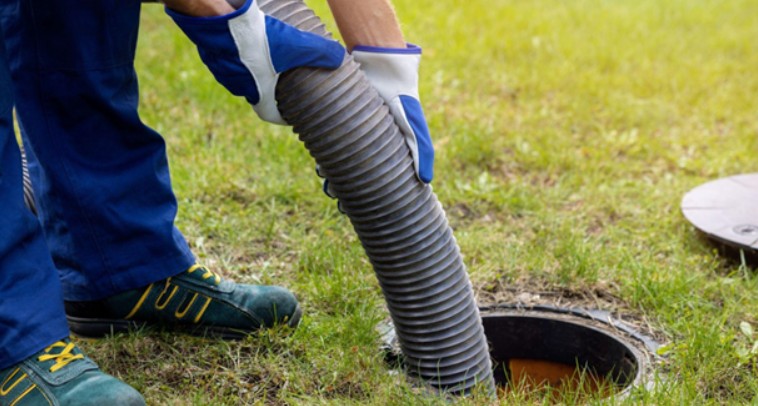
What Causes Drainfields to Break Down?
There’s no single reason. Sometimes it’s just age — soil gets compacted, or the system has been running nonstop for decades. Other times, it’s because of overuse, like too many people in a home that wasn’t built for it. Grease, chemicals, and non-biodegradable waste can also clog up the pipes or the soil.
And let’s not forget nature. Roots from nearby trees can crack or block lines, or heavy machinery can crush the system if someone parks on top of it.
If the damage is localized, a smaller repair might be all you need. But when the whole thing’s saturated or collapsing, drainfield replacement and repair is usually the only fix.
It Doesn’t Always Mean Digging Up the Whole Yard
People hear “replacement” and picture bulldozers. That’s not always the case. The right team will figure out whether the field can be restored or needs to be rebuilt.
Sometimes, septic drainfield restoration can give you a few more years. Other times, targeted trenching and rerouting pipes is enough. Full replacement is only necessary when the field can no longer absorb water at all.
The good news? When it’s done right, a new field can last for decades.
How Leach Field Installation Actually Works
Installing a new drainfield is part science, part logistics. A company that knows leach field installation and maintenance will start by testing the soil to see how well it drains. Then they’ll measure how much wastewater your household uses and pick a location that supports long-term use.
The design matters. If the layout isn’t right or the slope is off, you’ll end up right back where you started — with water pooling and problems resurfacing.
Addressing Smaller Issues First
In some cases, you don’t need a full system overhaul. You might just need help fixing septic drainfield issues before they turn into bigger ones. That could mean clearing out a blockage, replacing a broken pipe, or improving ventilation in the system.
If you catch it early, the fix is usually faster and cheaper. That’s why it’s worth calling at the first sign something’s off — not when the yard turns into a swamp.
So When Is It Time?
If your system is more than 20 years old, and the signs are getting worse, it might be time for drainfield replacement and repair. But don’t panic. A good provider will talk you through it, test the system properly, and explain what really needs to be done.
It’s not a one-size-fits-all situation. Every yard, every home, every septic setup is different. The right team will treat it that way.
Dealing with Wastewater? Let’s Keep It Simple. You can phone us at 800-753-3278 or get in touch with us here.

If you’re tired of systems that break down, cost a fortune, or just don’t make sense—we hear you.
At BioMicrobics, we build treatment systems that work the way they should. No fluff, no confusing setup.
Simply clean water.
We can help you find out what works best for your house, small company, or even your whole town.