Skip to content

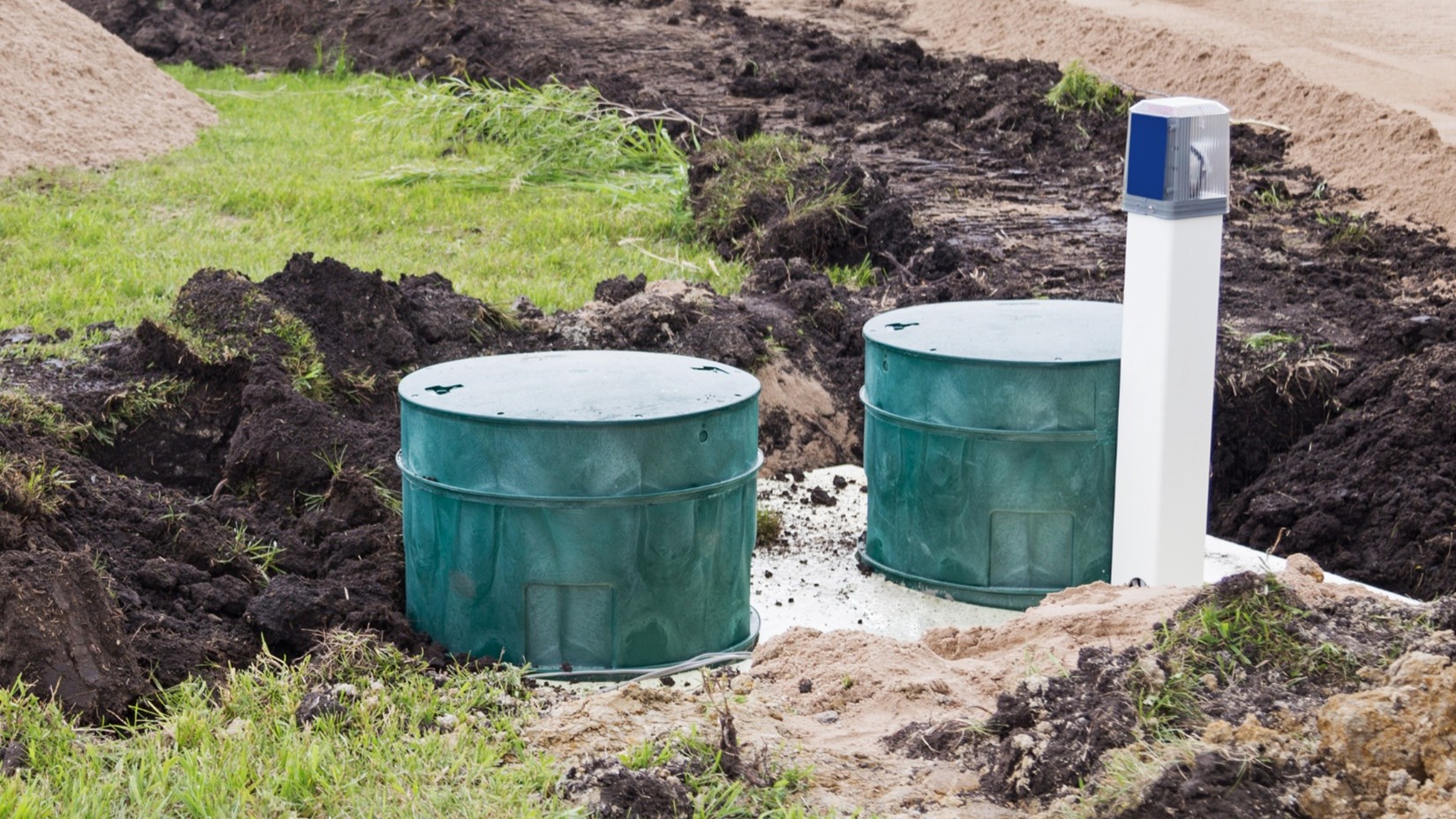
Alternative septic systems company is usually where developers end up looking, right after a traditional septic design fails on paper or in the field. At small scale, septic systems work fine. A single home. Predictable usage. Plenty of space.
But once you scale that same idea across a subdivision, apartment complex, or mixed-use development, the cracks start to show. And not slowly, often all at once. Let’s walk through why that happens, and what engineers actually do differently.
- Traditional septic systems weren’t built for density
- Drainfields become the first point of failure
- Soil conditions don’t scale evenly
- Peak usage overwhelms traditional systems
- Maintenance becomes harder to manage
- Why traditional layouts don’t work anymore
- What engineers use instead
- Advanced treatment reduces pressure on the soil
- Restoration vs replacement: what happens when systems fail
- Why alternative septic systems company solutions keep coming up
- FAQs
Traditional septic systems weren’t built for density
A standard septic system is simple by design. Wastewater flows into a tank. Solids settle. Liquids move into a drainfield where soil handles the rest.
That works when:
- Usage is consistent
- Flow is low
- Soil conditions are ideal
- Systems are spaced far apart
Large developments break every one of those assumptions.
You’re suddenly dealing with:
- High daily flow volumes
- Peak usage spikes
- Limited space for drainfields
- Overlapping soil absorption zones
And that’s where failure starts.
Drainfields become the first point of failure
Most septic problems in large developments trace back to the drainfield. The soil can only absorb so much water. When multiple systems operate close together, the ground becomes saturated.
Once that happens:
- Effluent stops dispersing properly
- Backups can occur
- Odors become noticeable
- System performance drops quickly
Even with proper design, density creates pressure that traditional systems weren’t meant to handle. That’s why services like septic drain field repair services become common in developments that rely on outdated designs.
Soil conditions don’t scale evenly
One lot might have perfect soil. The next might not. In a large development, variability becomes a major issue.
You may encounter:
- Clay-heavy soil with poor drainage
- Rocky terrain limiting installation depth
- High groundwater levels
Traditional septic systems depend heavily on consistent soil conditions. When those vary across a site, performance becomes unpredictable.
This is where engineers often step in with aerobic septic system services to improve treatment before effluent reaches the soil.
Peak usage overwhelms traditional systems
Residential septic systems are designed for steady, predictable use. Large developments don’t behave that way.
Think about:
- Morning peak usage across dozens of units
- Commercial activity in mixed-use spaces
- Seasonal occupancy changes
These spikes can overload systems that were never designed for that kind of variability.
Over time, that stress leads to:
- Reduced treatment efficiency
- Faster system wear
- Increased maintenance needs
And eventually, failure.
Maintenance becomes harder to manage
One septic system is easy to monitor. Fifty systems? That’s a different story.
Large developments often struggle with:
- Inconsistent maintenance schedules
- Limited visibility into system performance
- Delayed repairs
Small issues turn into bigger problems because they’re not caught early. That’s why many property managers end up relying on septic system repair services more frequently than expected.

Why traditional layouts don’t work anymore
Older septic designs assumed space wasn’t a constraint. Modern alternative septic systems company developments don’t have that luxury. Land is expensive. Density is higher. And regulations are stricter.
Trying to fit traditional drainfields into tighter spaces often leads to:
- Undersized systems
- Reduced separation distances
- Compromised performance
At that point, it’s not a matter of if the system will fail, it’s when.
What engineers use instead
When traditional septic systems stop making sense, engineers don’t just “upgrade” them. They rethink the entire approach. That’s where alternative septic systems company solutions come in.
Instead of relying on soil alone, these systems:
- Treat wastewater more thoroughly before discharge
- Reduce reliance on large drainfields
- Handle higher flow volumes
- Perform more consistently across variable conditions
This shift changes how wastewater is managed across the entire development.
Advanced treatment reduces pressure on the soil
One of the biggest improvements in modern systems is treatment quality. By the time water reaches the drainfield, it’s already been treated to a much higher standard.
That means:
- Less strain on the soil
- Better absorption
- Lower risk of saturation
In many cases, systems are paired with leach field installation and maintenance strategies designed specifically for higher-density applications.
Restoration vs replacement: what happens when systems fail
When traditional systems fail, the first instinct is often repair. Sometimes that works. Sometimes it doesn’t.
Options typically include:
- Targeted fixes using leach field repair services
- Full system restoration
- Complete replacement with advanced systems
The right choice depends on how far the system has degraded. In many large developments, partial fixes only delay the inevitable. That’s when a full system redesign becomes the smarter investment.
Why alternative septic systems company solutions keep coming up
Here’s the reality.
Large developments need systems that:
- Handle higher volume
- Adapt to changing conditions
- Fit within limited space
- Meet stricter regulations
Traditional septic systems weren’t built for that.
That’s why alternative septic systems company solutions are becoming the standard, not the exception. They’re not just replacements. They’re purpose-built for modern development demands.
FAQs
Why do septic systems fail faster in large developments?
Mostly because of density and usage. More people using systems at the same time puts pressure on both the tank and the drainfield, especially when space is limited.
Can traditional septic systems be upgraded instead of replaced?
Sometimes they can. But in many large developments, upgrades only provide temporary relief. Long-term solutions usually involve more advanced treatment systems.
Are alternative septic systems more expensive?
Upfront, they can be. But they often reduce long-term repair costs and perform more reliably, which can make them more cost-effective over time.
Dealing with Wastewater? Let’s Keep It Simple. You can phone us at 800-753-3278 or get in touch with us here.

If you’re tired of systems that break down, cost a fortune, or just don’t make sense, we hear you.
At BioMicrobics, we build treatment systems that work the way they should. No fluff, no confusing setup.
Simply clean water.
We can help you find out what works best for your house, small company, or even your whole town.